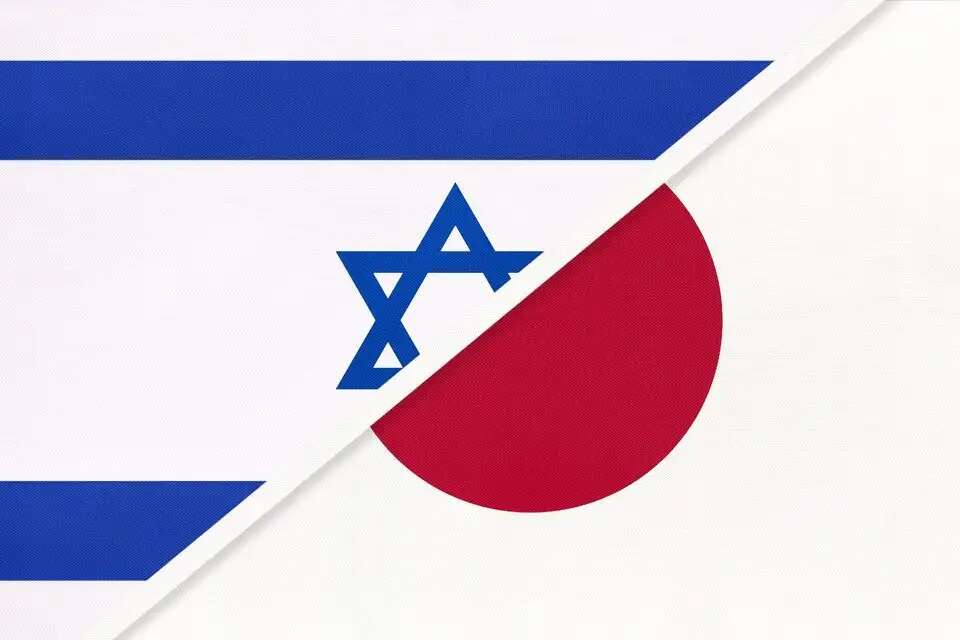
At the end of World War II, the Soviet Union seized four islands claimed by Japan: Iturup, Kunashir, Shikotan, and the Habomai group. Japan continues to demand their return, while Russia regards them as Russian territory. The dispute has prevented the two countries from signing a formal peace treaty.
For decades, Japan pursued its claim diplomatically, maintained a restrained security posture, and relied heavily on its alliance with the United States. Today, China's military rise and the threat from North Korea are prompting Tokyo to strengthen its military capabilities.
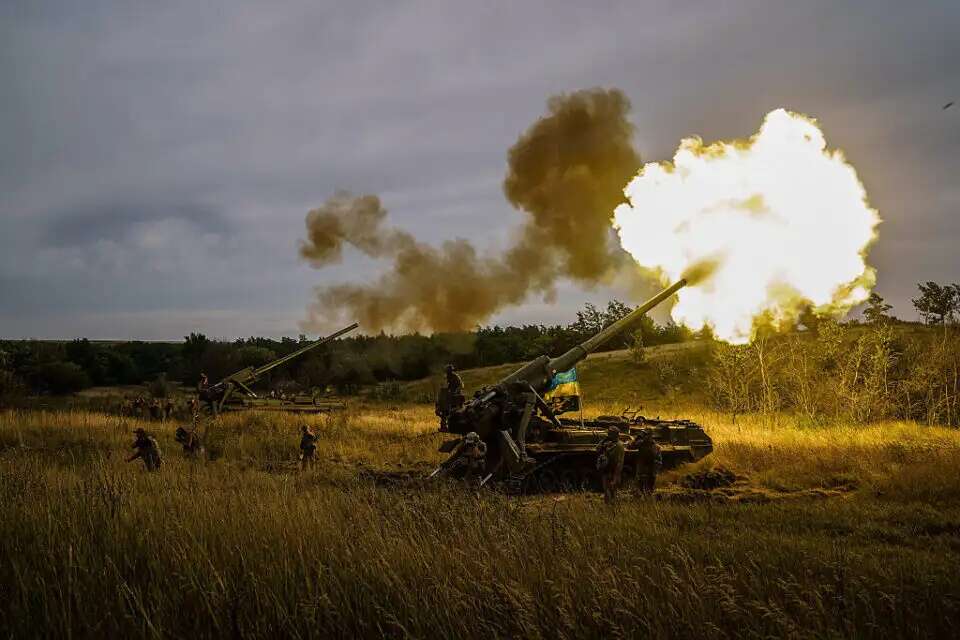
Meanwhile, Russia's prolonged war in Ukraine has exposed the limits of its military power and weakened its image as a great power. Japan's growing capabilities, combined with Russia's perceived vulnerability, may offer Tokyo an opportunity to press its territorial claim.
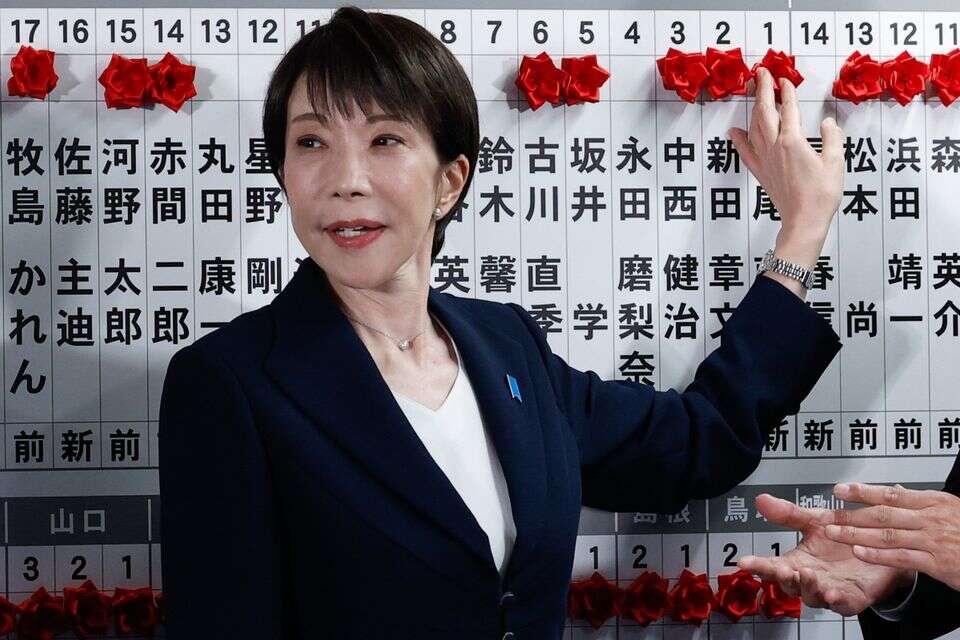
Statements by Japanese Prime Minister Sanae Takaichi in February 2026, followed by her protest in August after President Vladimir Putin visited Iturup, reflect this growing resolve. Although they contain no explicit military threat, they suggest that Japan may consider pressure beyond diplomacy.
For Israel, this creates a strategic dilemma. Japan is friendly to Israel and a close partner of the United States. Russia, by contrast, cooperates closely with Iran and pursues policies unfriendly to Israel. Yet the territorial argument underlying Russia's position touches on a sensitive issue for Israel.
Moscow presents its control of the islands as a consequence of World War II. Its position reflects the broader argument that war can alter territorial arrangements and that an armed conflict does not necessarily restore the previous status quo.
Israel has advanced related arguments after the 1948 War of Independence and the 1967 Six-Day War. It has cited rejection of the UN partition plan, wars fought against it, and security needs to explain and justify control over territories beyond the partition plan's proposed borders and, later, the armistice lines. These arguments remain politically and legally contested.
Today, Israel maintains that the October 7, 2023, attack and threats from multiple fronts require a new security reality, including control over areas in Gaza, Lebanon, and Syria that it considers essential to its defense.
The cases are not equivalent, and war does not automatically legitimize every territorial change. Nevertheless, unqualified Israeli support for Japan's claim could complicate Israel's defense of its own positions. The paradox is that Russia's policies are often hostile to Israel, yet its territorial argument may invoke a principle relevant to Israel's own strategic claims.
For now, Israel should avoid public involvement unless circumstances require a position. It should, however, prepare for the possibility that Japan may seek its support or that the dispute may arise in an international forum.
Supporting Japan could weaken Israel's arguments; refusing could strain relations with an important partner. Israel should establish clear principles in advance and assess any request in context, rather than committing automatically to either side.
The Japanese case offers four lessons. First, states must not only be strong but also be perceived as strong. Russia's weakened standing may encourage others to revive longstanding territorial claims.
Second, time alone does not resolve territorial disputes. After eighty years, Japan has not relinquished its claim. Israel should not assume that time by itself will persuade Palestinians to accept changing territorial realities.
Third, political divisions that Israelis regard as democratic vitality may appear to adversaries as signs of weakness. October 7 demonstrated the danger of misjudging how an enemy perceives internal divisions. Democracy must be preserved, but its strategic implications must also be understood.
Finally, the US alliance is indispensable, but cannot replace independent defense capabilities. Neither Israel nor Japan can assume that Washington will always be willing or able to intervene in every crisis.
Israel should preserve its relationship with Japan while avoiding unnecessary entanglement in its dispute with Russia. Strategic friendship matters, but national interests do not always coincide. The time to consider this dilemma is before Israel is forced to choose.