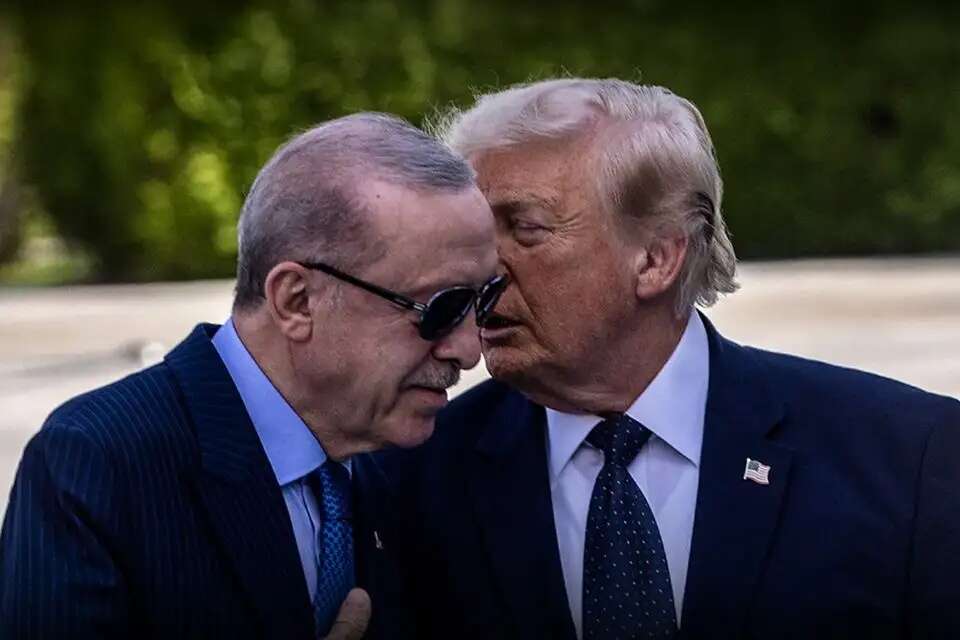
The US State Department stopped short of condemning the ratification of a controversial maritime agreement between Turkey and Libya by the eastern Libyan parliament, which is aligned with military commander Khalifa Haftar, overnight Wednesday. While Israel, Greece, Egypt and the European Union denounced the move, Washington limited its response to urging countries in the region to resolve their maritime disputes through negotiations.
"We encourage our partners in the Eastern Mediterranean to resolve maritime disputes through good-faith negotiation," a State Department spokesperson said. Addressing the dispute between Athens and Ankara, the spokesperson added, "Greece and Turkey are both NATO allies. We encourage them to engage bilaterally to address any areas of disagreement."
The memorandum of understanding was signed in November 2019 between Turkey and Libya's then-government in Tripoli. It establishes the boundaries of the two countries' maritime jurisdiction in the Eastern Mediterranean. The maritime boundary stretches from Turkey's southwestern coast to Libya, disregarding, according to Greece, the maritime rights of Greek islands in the area, including Crete and Rhodes.

The agreement drew fierce opposition from Greece, Egypt and Cyprus as soon as it was signed. Eastern Libya's parliament also rejected it in 2020, arguing that it undermined the country's sovereignty, and even voted to sever political relations with Turkey.
On Tuesday, however, the parliament reversed its position and unanimously approved the memorandum. It also rescinded its previous resolutions against the agreement and Turkey. The move marks a significant shift in relations between Ankara and Haftar's camp, which had previously been among Turkey's most prominent opponents in Libya.
Israel and Egypt condemn the move
The renewed approval sparked a wave of condemnation across the region. Egypt's Foreign Ministry said Wednesday that the agreement constituted "a clear infringement on Egypt's sovereign rights in its exclusive economic zone and continental shelf." Cairo further stressed that the memorandum was "null and void," had no legal effect and that its ratification by the Libyan House of Representatives created no legal consequences for Egypt.
Israel's Foreign Ministry also issued a strongly worded condemnation. "Israel strongly condemns the decision of the Libyan House of Representatives to ratify the Maritime Jurisdiction Memorandum between Turkey and Libya," the ministry said in a statement posted on X. "This agreement infringes upon the sovereign rights of our close allies in the region. Regretfully, once again we see Turkey working to destabilize the east Mediterranean region."
The European Union also rejected the agreement, saying it infringed on the sovereign rights of other countries in the region. Brussels further maintained that the memorandum had no legal validity.
Greece went beyond issuing a condemnation, raising the matter Wednesday at the UN Security Council, where it serves as a nonpermanent member. Greece's Permanent Representative to the UN, Ambassador Aglaia Balta, presented Athens' position during closed-door consultations at the direction of Foreign Minister Giorgos Gerapetritis.
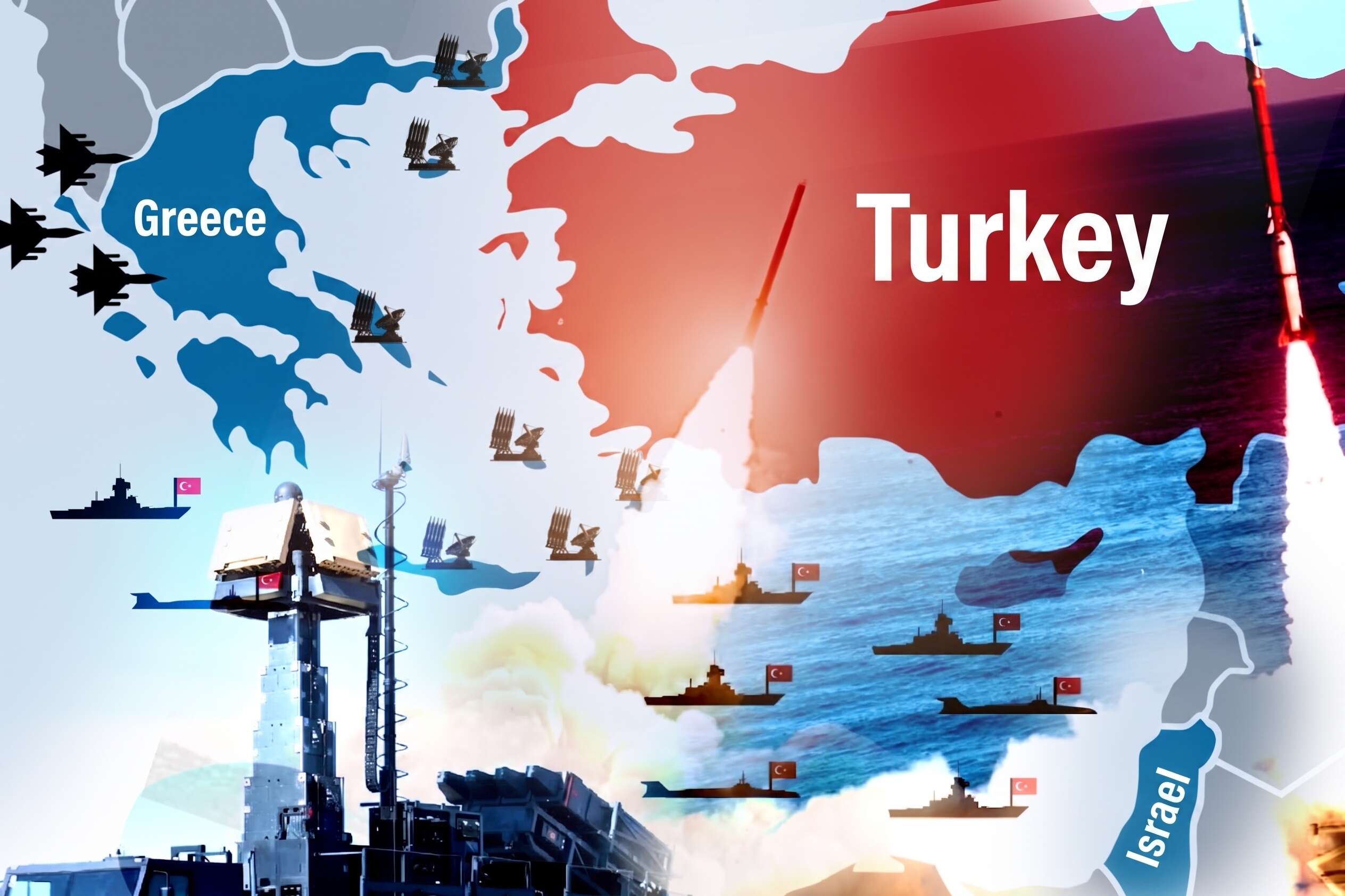
According to Greek media reports, Balta warned that ratification of the memorandum could threaten security and stability in the Eastern Mediterranean. She emphasized to Security Council members that "geography does not change" and that unilateral decisions cannot alter international maritime law.
The Greek Foreign Ministry stressed that the Libyan parliament's approval did not change Athens' position that the agreement was illegal. It pledged to take the necessary steps to defend Greece's sovereign rights.
Washington changes its tune
Against the backdrop of sharp reactions across the region, Washington's restrained response stands out. In response to an inquiry from the Greek newspaper Kathimerini, the State Department neither condemned the memorandum's ratification nor addressed its legality or the maritime rights of Greek islands.
Instead, the spokesperson emphasized the economic benefits of resolving maritime disputes. "Resolving maritime issues serves every party's interest and opens the way for commercial investment and exploration that will benefit the entire Mediterranean region," the spokesperson said.
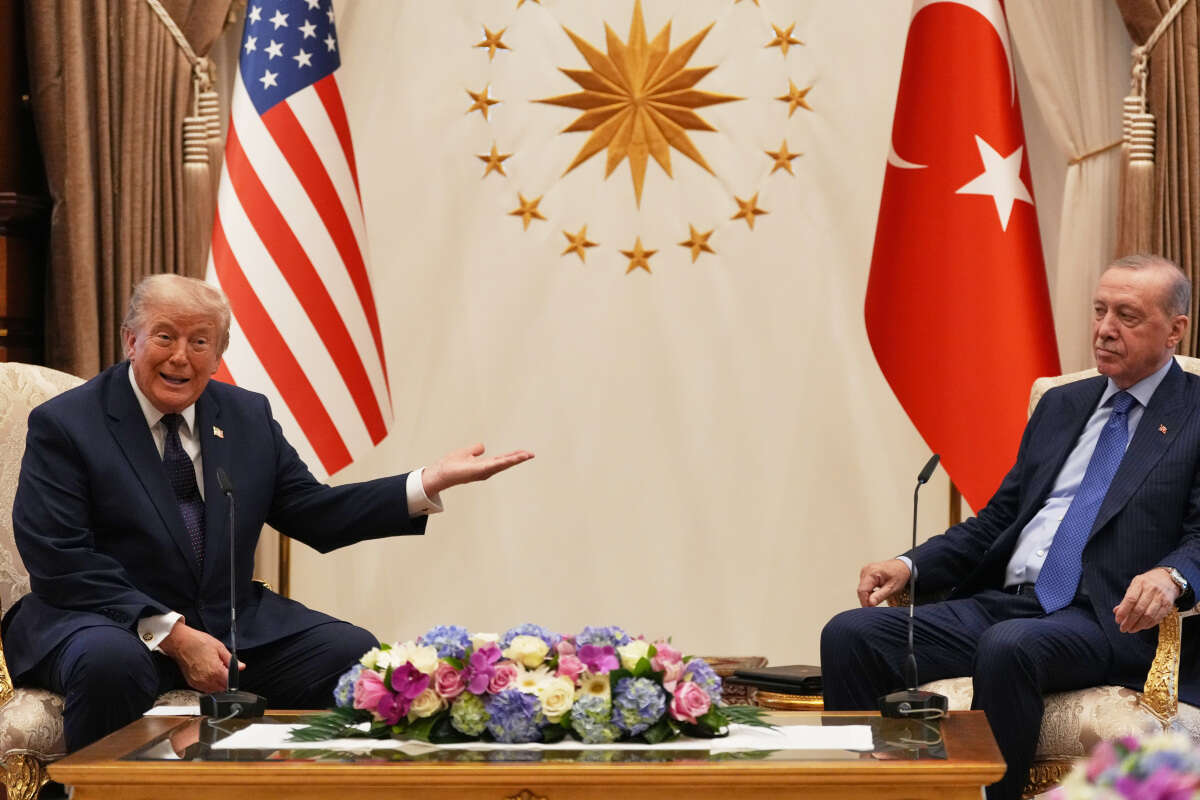
The language marks a shift from Washington's previous public position. In January 2020, during US President Donald Trump's first term, the State Department made clear that, contrary to Turkey's position, islands are generally entitled to an exclusive economic zone and continental shelf to the same extent as other land territories. In other statements around that time, Washington described the Turkish-Libyan memorandum as "unhelpful and provocative."
The Greek newspaper To Vima criticized the change in the American approach. "In 2020, Washington explained to Ankara what international law says. Today, it explains to Athens and Ankara how much they could gain if they reach an agreement," the newspaper wrote.
Turkey welcomes the agreement
In Ankara, by contrast, the Libyan parliament's decision was welcomed. Turkish President Recep Tayyip Erdogan addressed the memorandum's approval Wednesday during a meeting of his ruling Justice and Development Party's parliamentary group.
"The Libyan House of Representatives unanimously approved the Memorandum of Understanding on the Delimitation of Maritime Jurisdiction Areas signed between Türkiye and Libya. I hope this important decision will be beneficial and auspicious," Erdogan said, according to Turkey's Anadolu news agency.
Turkey's Foreign Ministry maintained that the agreement was based on international law and the principle of equity. Turkish presidential communications official Burhanettin Duran also stressed that Turkey would "continue to defend its rights and legitimate interests in the Blue Homeland," referring to Ankara's maritime doctrine asserting Turkish interests and jurisdiction in surrounding seas.
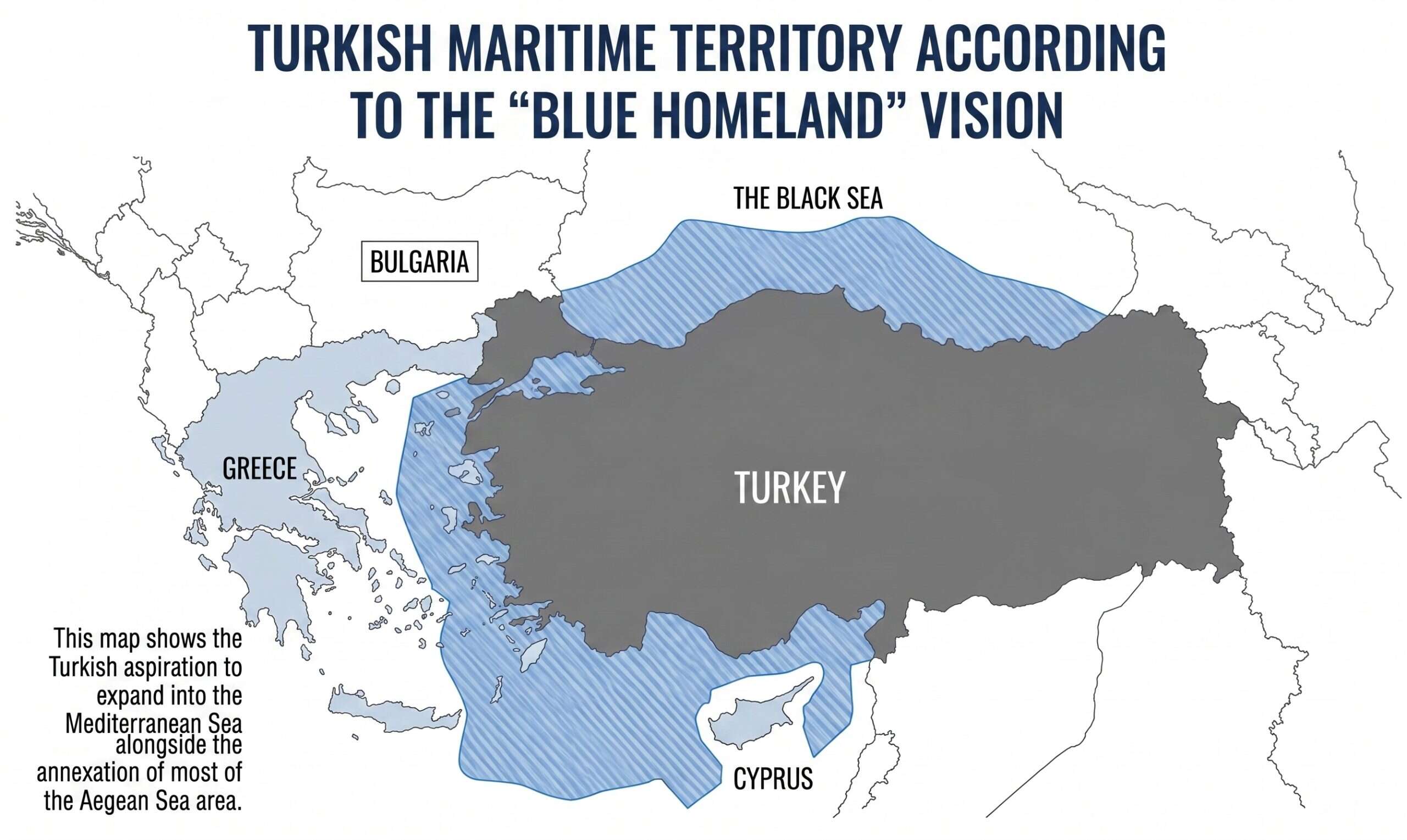
As countries across the region continue to oppose the agreement, Ankara has secured a significant diplomatic victory from the very Libyan faction that resisted it for years.
The US, at least for now, has chosen not to join the condemnations, preferring instead to emphasize the need for dialogue.