Almost every day over the past two weeks has begun with a statement or a report attributed to a political source warning that Iran is "racing to develop a deadly nuclear bomb", as Prime Minister Benjamin Netanyahu has warned, or that "if Iran dares to attack Israel, it will be hit several times harder than it has been so far," as Defense Minister Israel Katz has declared. Add to that reports of a possible Israeli, American or joint military campaign before the elections or immediately afterward, and the entire debate has shifted to one question: When will the war resume?
Go back six months, to April of this year, immediately after the conclusion of Operation Roaring Lion and the beginning of a ceasefire that never really held. We were inundated with reports from Israel and the US declaring that Iran's nuclear capabilities had been destroyed and its military industry devastated across the entire production and supply chain for ballistic missiles and unmanned aerial vehicles.
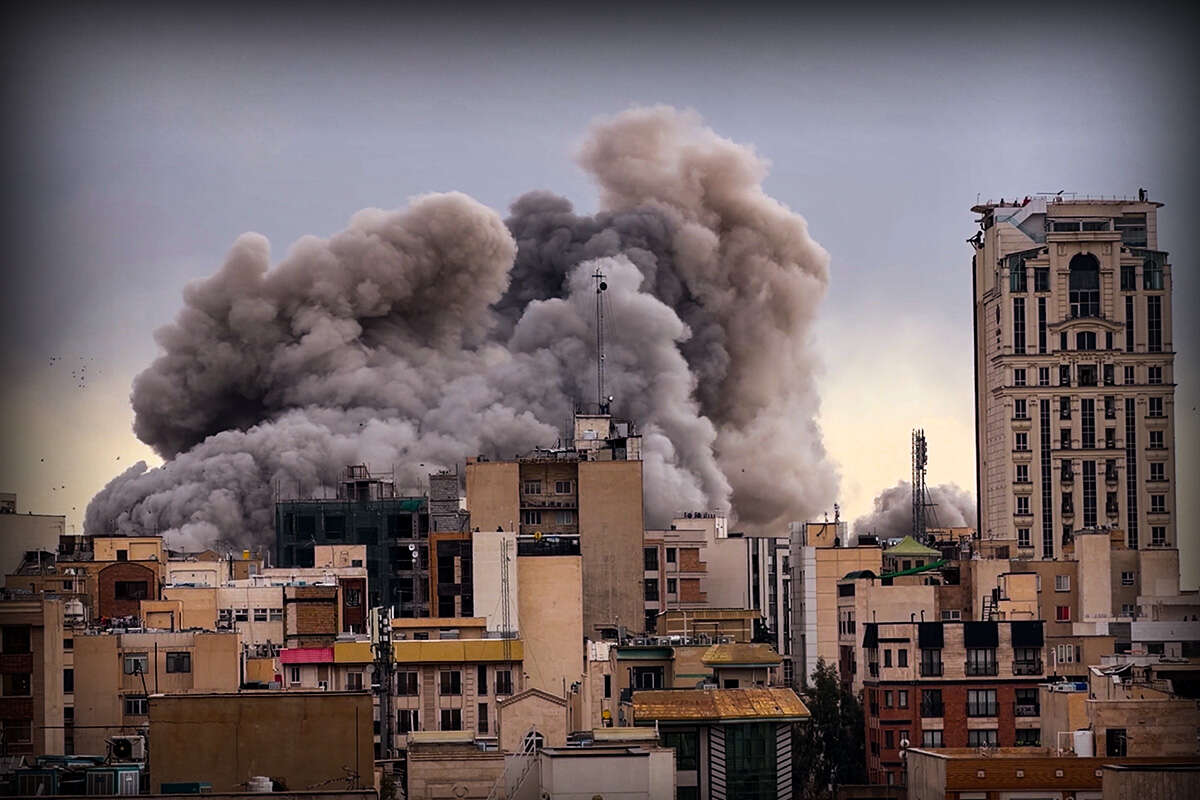
Those reports described extensive damage to production infrastructure, from steel plants and electronics laboratories to storage facilities. According to the assessments at the time, Israel has destroyed most of Iran's mobile launchers and effectively trapped missiles and launchers inside its underground missile cities.
In April, we were told the threat had been eliminated. By October, it was back at the center of the agenda, supposedly so grave and immediate that it demanded a preemptive offensive, even at the cost of postponing elections. The implication of these statements is clear: Unless we act, we will once again face an existential threat beyond our borders.
The two lessons Israel failed to learn
Over the past three years, we have become all too familiar with the concept of a "truth that was valid at the time." But this time, the problem is far more consequential and, above all, far more troubling. If our experience of trying to understand and assess our enemies has taught us anything, it is these two lessons:
First, we have a longstanding tendency to underestimate the enemy's capabilities. Across theaters of conflict both near and far, we have repeatedly discovered that our enemies possessed more missiles, more launchers and greater capabilities than we had first assessed.
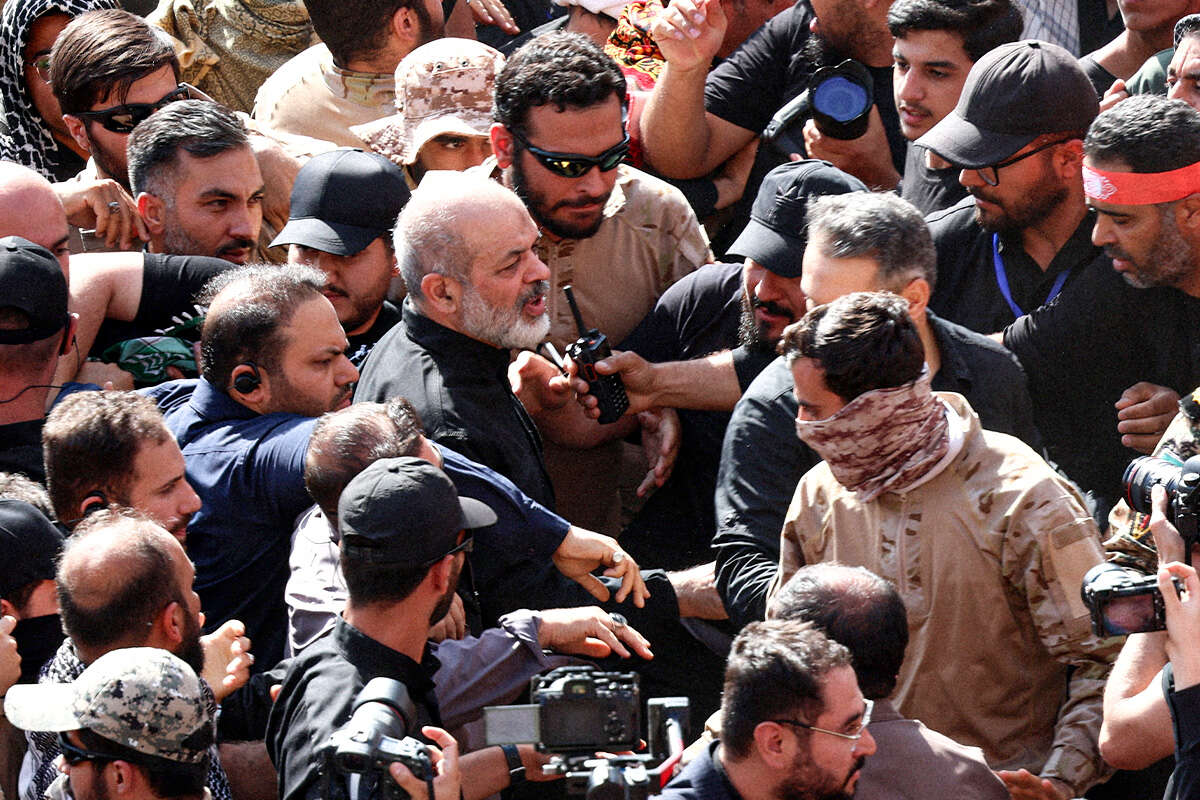
Second, our enemies can rebuild and recover far faster than even our most pessimistic assessments predict. Iran has needed only weeks or months to rebuild the military industry that was supposedly "set back years" by Operation Roaring Lion. The same is true of Hamas, which has returned to governing and exercising control over what remains of the Gaza Strip after supposedly being "dismantled," "destroyed" and "crushed."
The troubling reality
Political statements may exaggerate the severity and urgency of the threat, reflecting the deterioration of a political discourse in which almost anything goes. But once the political noise is stripped away, the reality of recent months is impossible to ignore.
Iran has hardened its positions in negotiations with the United States and continues to do so. At the same time, Tehran has restored and strengthened its network of regional proxies. To a considerable extent, it has even prompted the Houthis, the Iranian-backed terrorist group in Yemen, to act against Saudi Arabia, directly advancing Iranian interests.
In every military response since the April "ceasefire," Iran has strengthened its deterrence against neighboring countries, including Jordan and Saudi Arabia, by launching attacks that have been even more powerful than those carried out during Operation Roaring Lion.
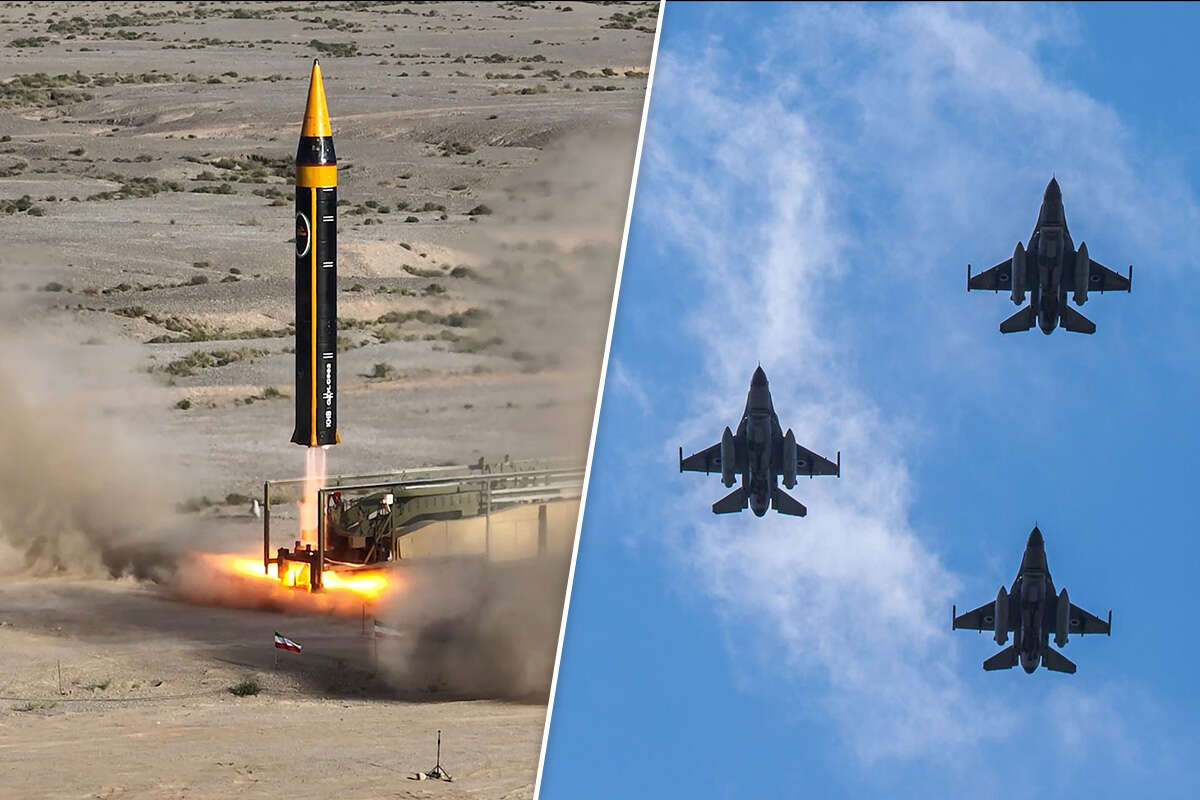
The number of ballistic missiles launched toward Jordan in recent months has exceeded the total recorded during the operation's 40 days. A country capable of launching retaliatory salvos of 11 and 18 ballistic missiles toward Jordan, along with precision-guided missiles targeting US Air Force bases, is hardly demonstrating military capabilities that have been crushed or destroyed. Official reports and satellite imagery also leave little doubt that Iran has improved the accuracy of its weapons.
Iran has also resumed military production, rebuilding its infrastructure through domestic efforts and with external assistance from Russia and China. In addition, reports and satellite imagery from civilian sources point to intensive construction and infrastructure work around several nuclear and military installations, including air bases and underground "missile cities".
Despite economic pressure and successive military operations and wars, the Iranian regime also appears, for now, to remain firmly in control. Moreover, the very existence of negotiations is lending it legitimacy, including through direct meetings such as the one held at the UN several weeks ago.
Where US and Israeli interests diverge
When it comes to deciding how and when to act against Iran, Israel has lost its ability to make the decision independently. That decision now rests with the United States and President Donald Trump, a troubling reality in itself. Israeli and American interests do not necessarily coincide, nor do their preferred timelines and timetables.
What began in February of this year as a complete alignment of Israeli and American interests in launching Operation Roaring Lion or Operation Epic Fury has increasingly diverged as the months have passed. For the US, the Strait of Hormuz and its impact on oil prices are central concerns. For Israel, the overriding issues are Iran's nuclear capabilities, ballistic missiles and drones.
Even today, the US and Trump boast that the Strait of Hormuz remains open and that oil exports have actually exceeded their prewar levels. If that is indeed the case, and perhaps, as in Israel, election politics in the US is redefining both reality and truth, why are oil prices not falling?

If the strait is open and the volume of oil passing through it has already surpassed prewar levels, then the only remaining objective is to end the war, on almost any terms. That is precisely what Trump has been pursuing in recent months.
One of the central lessons that has stayed with Israelis since Oct. 7, 2023, concerns how we define the objectives of war, whether those objectives are achievable, how fully they have been accomplished and whether military achievements are followed by diplomatic measures that consolidate them.
Accepting a reality presented to the public as yet another "round" of fighting with Iran is dangerous. The term was once reserved for managing the conflict with Hamas, and was not even used to describe the confrontation with Hezbollah. Applying it to Iran could prove disastrous militarily, economically, socially and internationally.
Israel cannot, and must not, normalize a reality in which it fights another "round" against Iran every six months, or even every year. The Israel Defense Forces, the Israeli economy and Israeli society simply cannot sustain such a reality over time.
That is the truth concealed behind the political declarations of recent days and weeks. It deserves far more attention than the political reality show surrounding the question of "when fighting with Iran will resume."