The elections in both Israel and the US are now over. In the US, Democrats control Congress and are expected to push hard to bring the war with Iran to an end. In Israel, meanwhile, the election has produced something of a stalemate, leaving a caretaker government in place, potentially followed by a weak minority government or another election.
Against this backdrop, Prime Minister Benjamin Netanyahu and, above all, US President Donald Trump must decide how to proceed with the campaign against Iran: resume large-scale military operations, limit further action to targeted strikes, or wait for the economic blockade and sanctions to take their toll.
Crucial discussions on the issue are expected to take place in Washington in the coming days, with Israeli officials also participating in some of the professional-level deliberations. A decision is expected soon.
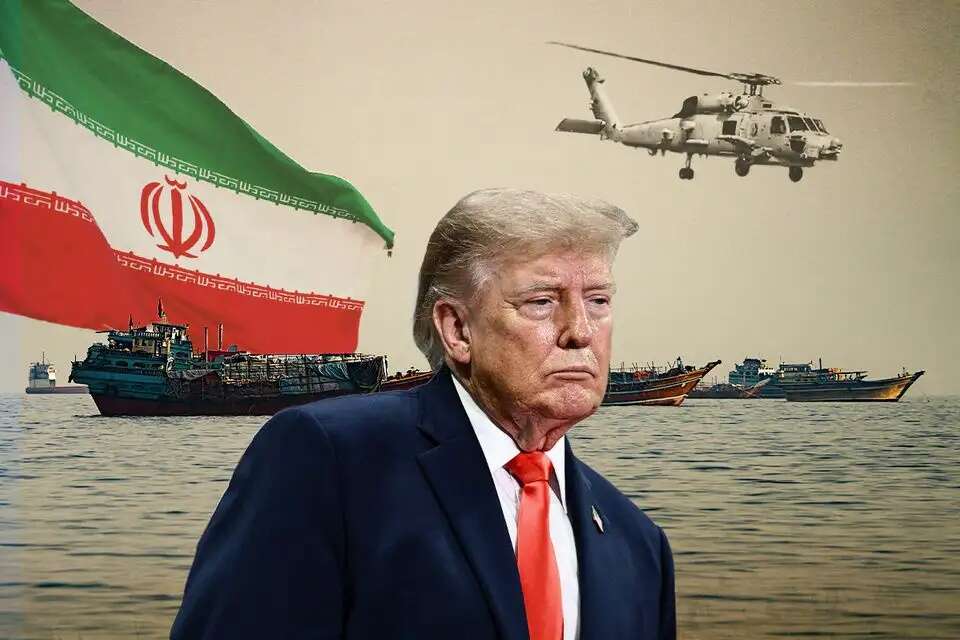
Avner Vilan, who has spent most of his career working on the Iranian nuclear issue within Israel's defense establishment, believes economic pressure alone will not persuade the regime to abandon its nuclear ambitions. The military option, he argues, must remain on the table.
"Iranian civilians could be reduced to having barely enough bread to eat, or even starve to death, and the regime would still keep pouring money into its nuclear program," Vilan said.
According to Vilan, even if Iran's economy continues to deteriorate and its population suffers, there is no guarantee that the regime will relinquish its nuclear ambitions. He believes Iran has already decided to move rapidly toward developing a nuclear bomb, which its leadership sees as essential to the regime's survival.
"Trump has two years left, and the Iranians want to drag things out until a different US administration takes office under different circumstances. Above all, they're buying themselves time to develop the bomb," he warned.
Vilan does not advocate overthrowing the regime. Instead, he favors a strike that would demonstrate to Iran's leadership that stalling will only increase the price it pays.
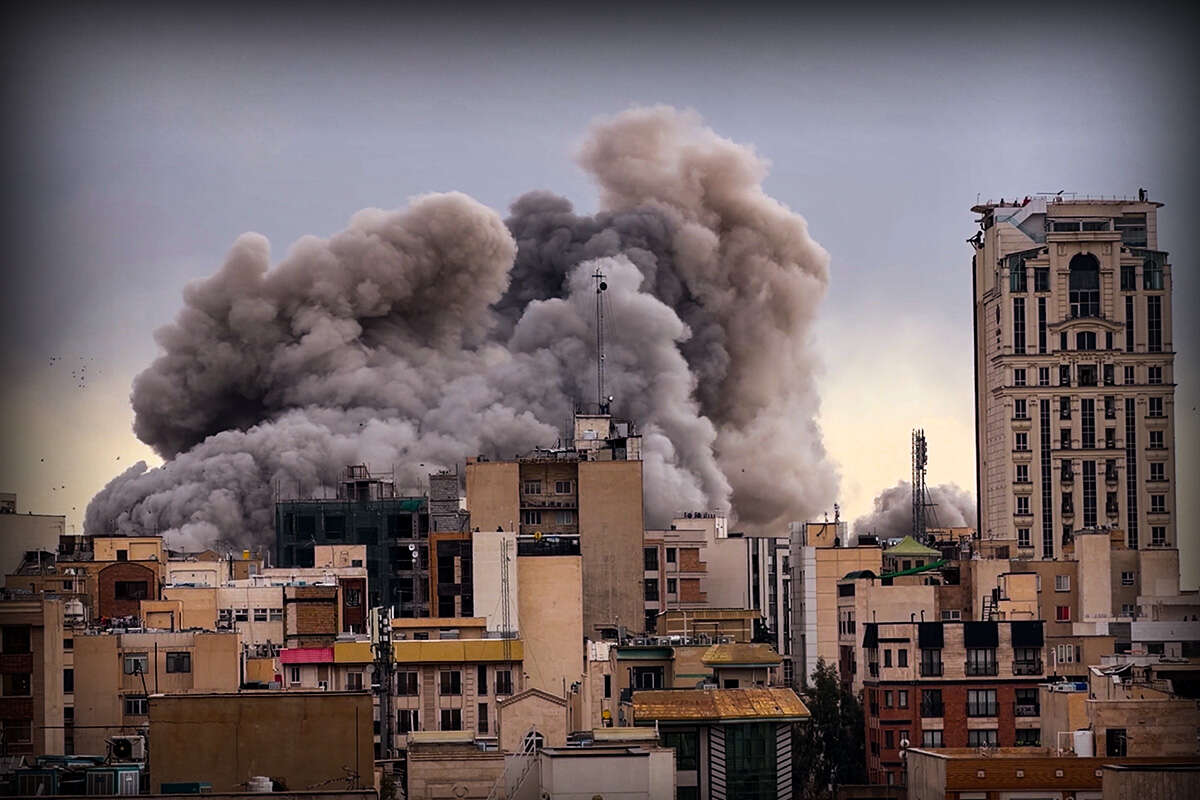
The objective, he said, is to exert enough pressure to bring Iran into serious negotiations and secure an agreement that would require it to relinquish any path to nuclear weapons, address its stockpile of enriched uranium and accept effective international oversight.
"To everyone who opposes going to war now, I would point out that deciding not to go to war also requires a strategy, rather than simply hoping that time will work in our favor," he concluded.
Economic blockade or another strike?
Oded Ailam, a researcher at the Jerusalem Center for Security and Foreign Affairs and a former senior Mossad official who specialized in Iranian strategy, takes a different view. He believes another attack is unnecessary at this stage.
Ailam is critical of Trump and his statements about Iran, arguing that the country's economy is in desperate straits and that, despite its boasts, Tehran has been unable to close the Strait of Hormuz.
"I'm not at all convinced another strike is necessary. Iran hasn't managed to significantly rebuild its nuclear program, and when it comes to missiles, they're trying to move part of their production infrastructure underground. The most effective approach would be to keep strangling them economically until they can't pay the salaries of the military, which isn't particularly fond of the regime anyway, the Revolutionary Guards, whose pay has already been cut, or the Basij. That could trigger an uprising against the regime."
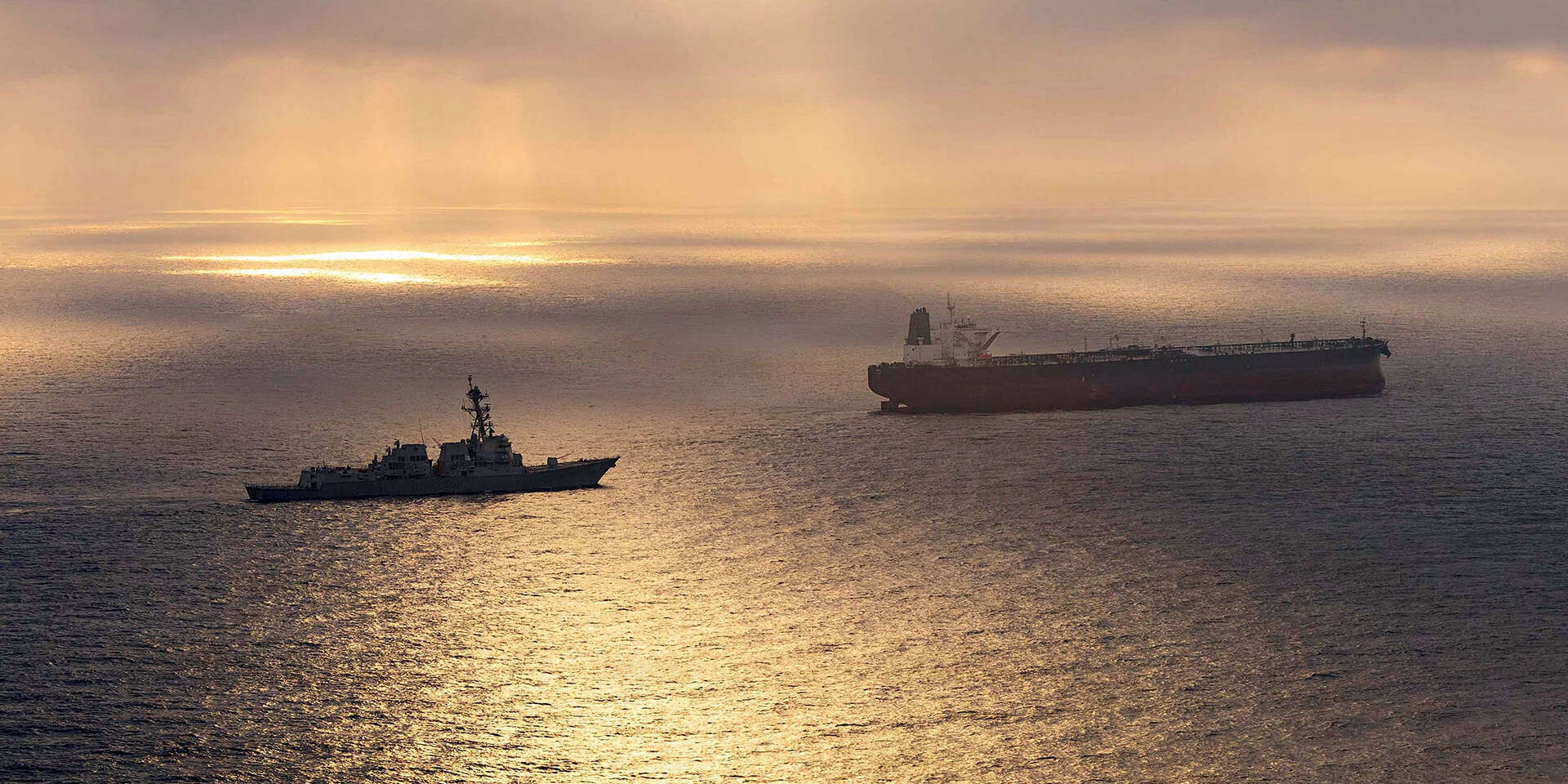
Ailam believes sustained economic pressure could achieve the desired outcome without further military action.
"All that's needed is patience, because the blockade is extremely effective. Last week, the Iranians sold off the remaining oil aboard tankers that had been waiting in the Indian Ocean, and there's no longer any income from oil, petrochemical products and so on. All they have left is 1.6 million pistachio trees, whose harvest is exported."
Ailam estimates that Iran will reach a point of no return economically within six weeks, partly because water infiltration into wells will force them out of operation for an extended period. He believes the deepening economic crisis and the loss of revenue sources could intensify domestic pressure on the regime to the point of its downfall.