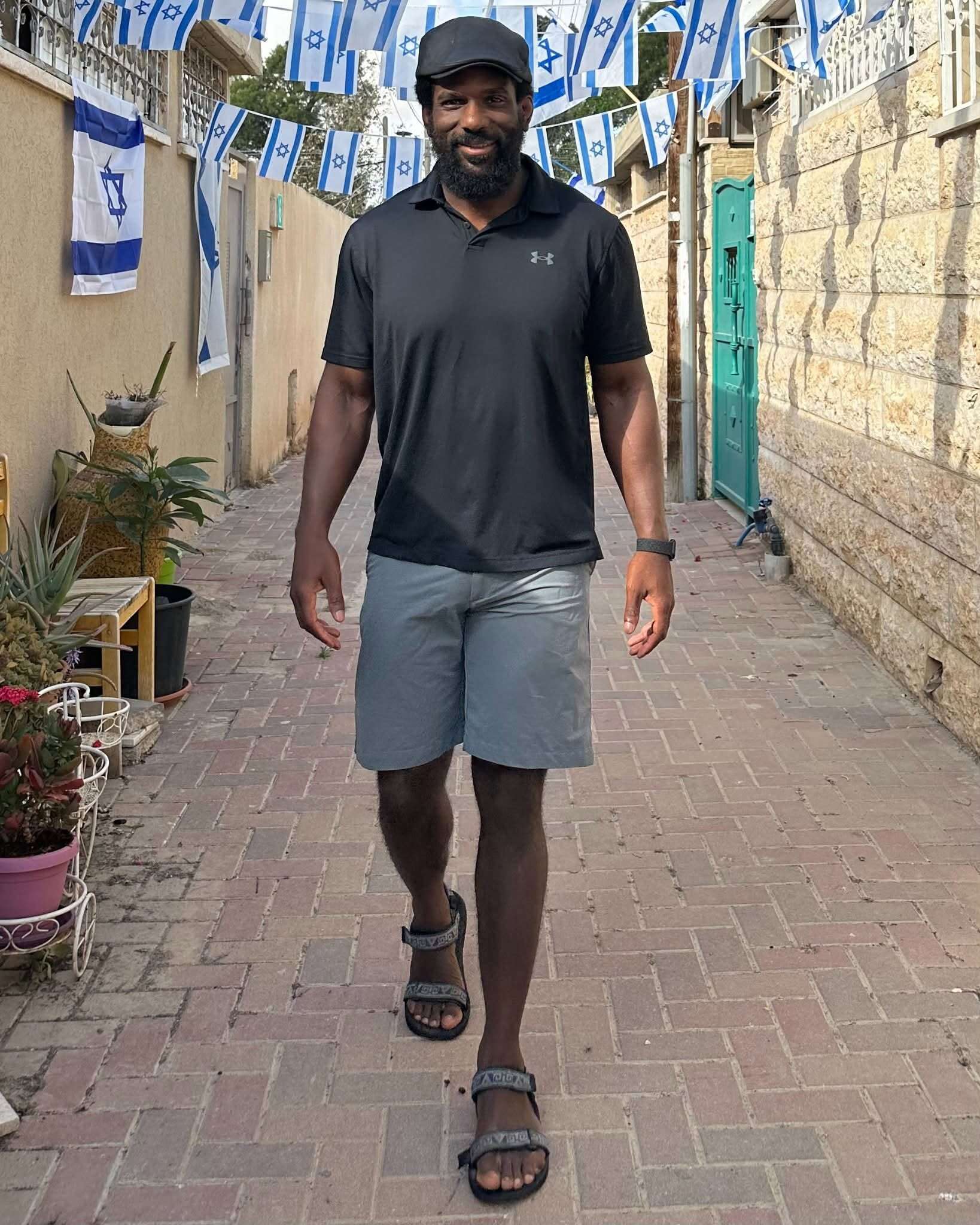
For David Ben Moshe, discovering Judaism in a US federal prison set him on a path that would eventually lead to Israel, a family and a new life. But what he expected to be a straightforward journey to making aliyah became a five-year battle with Israeli bureaucracy, culminating in an eight-day hunger strike outside the Interior Ministry.
Born in Connecticut and raised in rural Maryland, Ben Moshe grew up as one of the few Black children in a predominantly white community. His parents were religious Christians, but their faith never quite resonated with him.
After dropping out of college, he began selling guns and drugs and eventually landed in federal prison. It was there, during an extended lockdown, that he first encountered Judaism.
"One time I'm in the library and the whole compound is locked down," he recalled. "And I see one guy who's the whole time just sitting quietly and reading, studying. I walk by and I see a bunch of letters in a language I don't understand."
The man explained that he was reading the Torah (Jewish Bible). Ben Moshe was particularly intrigued by the commentaries at the bottom of the page.
"He explained to me the idea of parshanut. Different rabbis, people, and Jews throughout the ages explaining what the verses mean because the meaning's not always so clear."
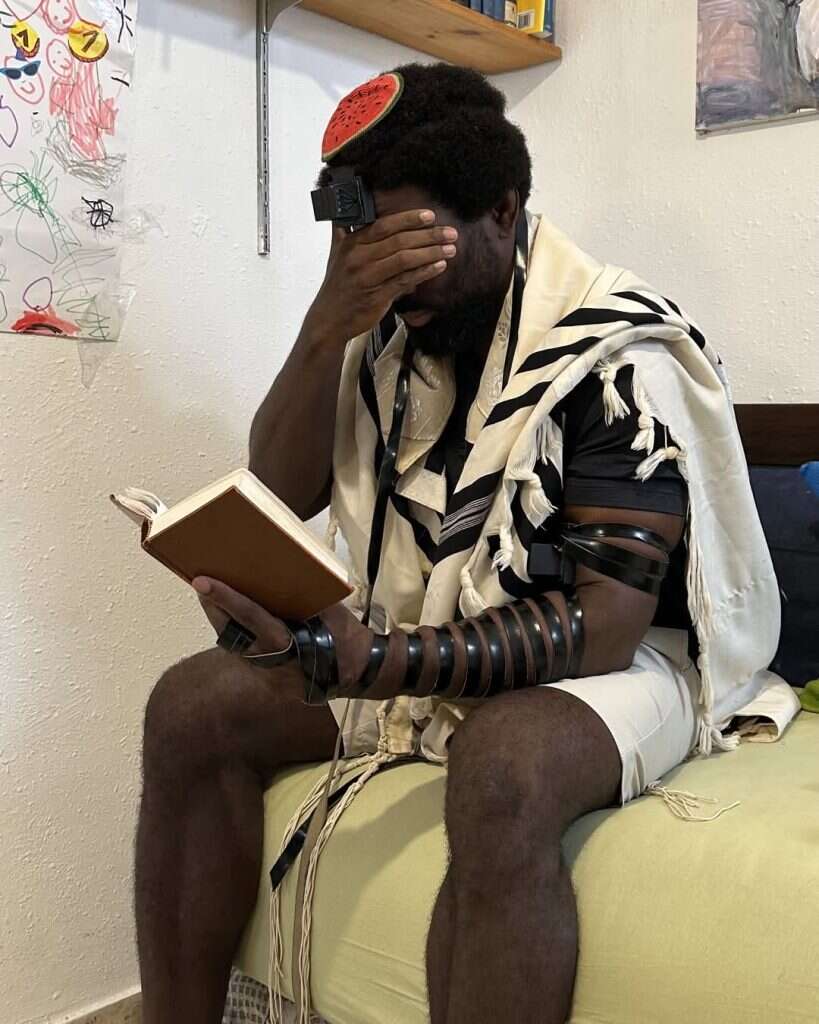
The idea that religious texts could have multiple interpretations fascinated him. As he recalled: "The way I'd generally interacted with religion is 'it means this' and just kind of believe it and then we move on to the next thing instead of like, oh, here are the multiple things it could mean."
Ben Moshe began reading about Judaism and speaking to people who practiced it, eventually deciding to become an Orthodox Jew.
Only later did he discover that while he was in prison, his mother had asked a Holocaust survivor she knew through her work with the US Holocaust Memorial Museum in Washington, DC, to pray for him.
"My mother reached out to her and she was praying for me every day I was in prison," he said.
He believes the encounter between his mother and the Holocaust survivor also had an impact on his spiritual journey.
"Hashem's way to tell me to make aliyah"
Following his release, Ben Moshe was transferred to a halfway house in Baltimore. He asked to attend synagogue services and found B'nai Israel, an Orthodox synagogue where he was welcomed by a community that remains important to him.
He approached the rabbi and announced that he wanted to convert. What followed was a five-year Orthodox conversion process, which involved reaching a level of understanding and practice that would allow him to participate comfortably in any Orthodox community.
"You can basically be dropped into any Orthodox community in the entire world and know what's going on, be able to participate and not offend anyone and not be offended by things you see," said Ben Moshe.
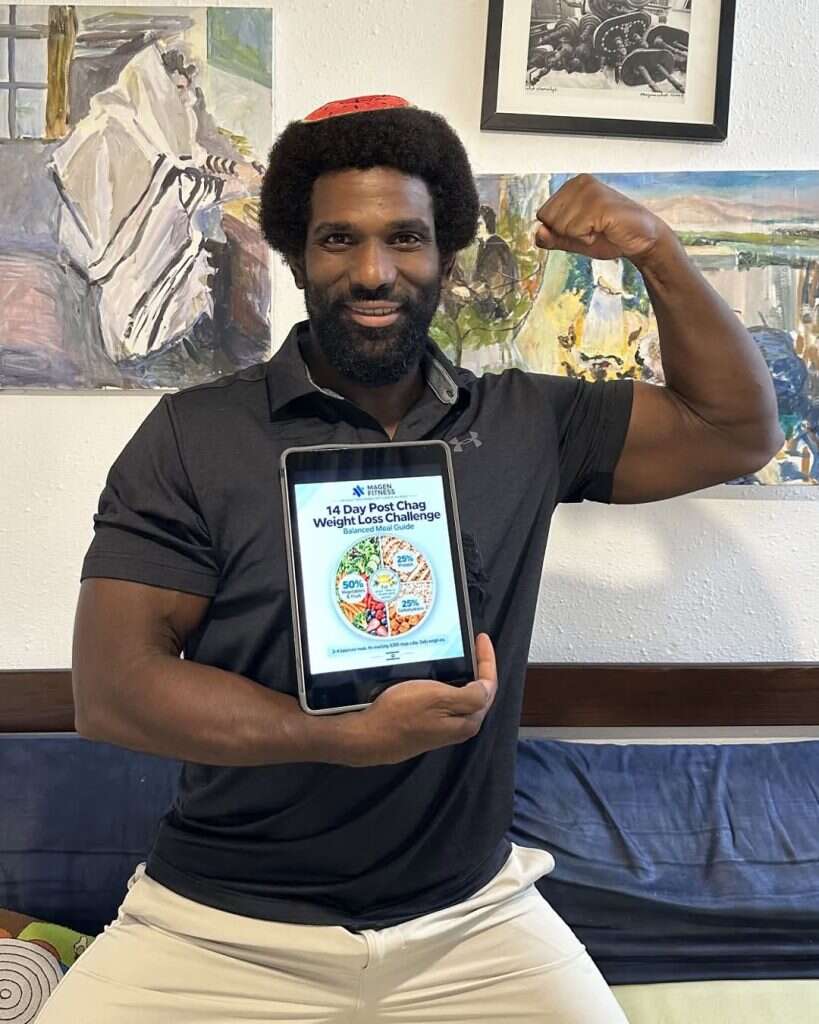
During this period, he rebuilt his professional life as a personal trainer and consultant for the police department, including its SWAT team. He also returned to university and was accepted into two leading physical therapy schools, but the University of Florida ultimately refused to let him register because of his criminal record.
The rejection left Ben Moshe feeling hopeless and dejected. "I was at a point where I shut down my business, ended my lease, and kind of thought that this was Hashem's way to tell me to make aliyah," he said.
His first visit to Israel had been on Birthright, when he was 24, and the experience had left a lasting impression. "I had this feeling that one day I would end up here," he noted.
Following his rabbi's advice, Ben Moshe planned a two-month trip to experience everyday life in Israel. He enrolled at Pardes, where he received a fellowship to continue studying for the year, and met the woman who would become his wife. A few months later, they were engaged. Today, they live in Beersheba with their three children.
For Ben Moshe, living in Israel also means experiencing the connection between Jewish texts and the places where their stories unfolded.
"One of the things that is incredible about Israel is a chance to study Torah in the place it's all about," he said. "I mean just think how many times reading through the Parsha, Avraham is going through Beersheba. And now you live there."
"The trial period ends when it ends"
While his personal life was falling into place, making aliyah was anything but straightforward.
Despite being an observant Jew and receiving written assurances that his status was in order, Ben Moshe faced repeated difficulties with the Interior Ministry. On one occasion, he was even detained for five hours at Ben-Gurion Airport after returning from a trip abroad.
When his aliyah interview finally arrived, he recalled being challenged over his appearance.
The officials at the ministry told him, "Oh, you say you're a convert. How could you be a convert? You don't look like a convert."
Eventually, his application was rejected because the authorities deemed his conversion unacceptable.
"We're all confused and we're like, what does unacceptable mean? What's unacceptable about it?" said Ben Moshe, describing his family's reaction.
Ben Moshe and his wife sought legal assistance and pursued appeals, but struggled to get responses. His attempts to secure a work visa through his marriage also ran into bureaucratic obstacles.
"One of the reasons they deny me the visa is because Israel only grants visa status for people married through civil marriages and Israeli marriages aren't civil marriages. So if your marriage is done in Israel, it's not valid for a visa in Israel," he said.
The authorities failed to respond to his appeal within the legally required 45 days. Even the ombudsman was unable to get an answer.
"The ombudsman said, 'yes, they've got to respond to you. We'll look into it.' But they also ignore the ombudsman and he calls us and says, 'Oh, they just didn't respond to us either.'"
After years of uncertainty, Ben Moshe was given a temporary visa and promised citizenship following a trial period. But when he returned after a year, he was told the period was not over, with no indication of when it would end.
"I come back and say, I've done the year. I should get citizenship. They say, 'No, you're on a trial period.' I said, 'When does the trial period end?' They say, 'The trial period ends when it ends. We won't tell you.'"
"I am a Jew. I have a right to live here," he told the officials, but this did little to move them or help his situation.
In 2022, after years of waiting without answers, Ben Moshe staged a hunger strike outside the Interior Ministry in Jerusalem. He spent eight days without food, drinking only water and sleeping outside on the cold Jerusalem stone.
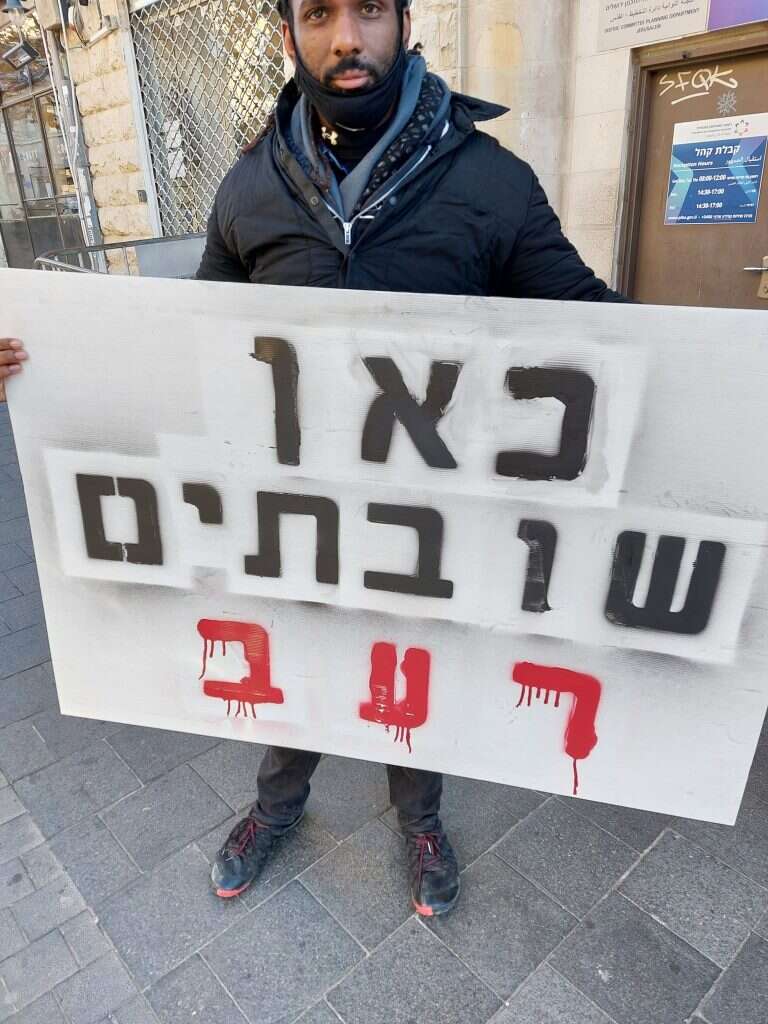
"I was outside the Interior Ministry all day, every day, except for walking to the Kotel three times a day to daven."
Following the protest, the authorities agreed to grant him an additional year-long trial period. He was finally granted citizenship in 2023.
"Do first, understand second"
Despite the challenges he faced making aliyah, Ben Moshe distinguishes between his experience with the Israeli government and his relationship with the people around him.
"There is the Jewish people and there is the government of Israel. And they are two separate entities," he said. "For me, the Jewish people were nothing but loving and supporting and helping me live here."
Now based in Beersheba, near his wife's family, Ben Moshe runs an online fitness business, Coach Jews, helping Jewish clients lose weight, build strength and improve their mobility. He also competes in Brazilian jiu-jitsu, representing Israel at competitions abroad. Last week, he travelled to Rome to compete in the European Jiu-Jitsu Championships, where he won a silver medal.
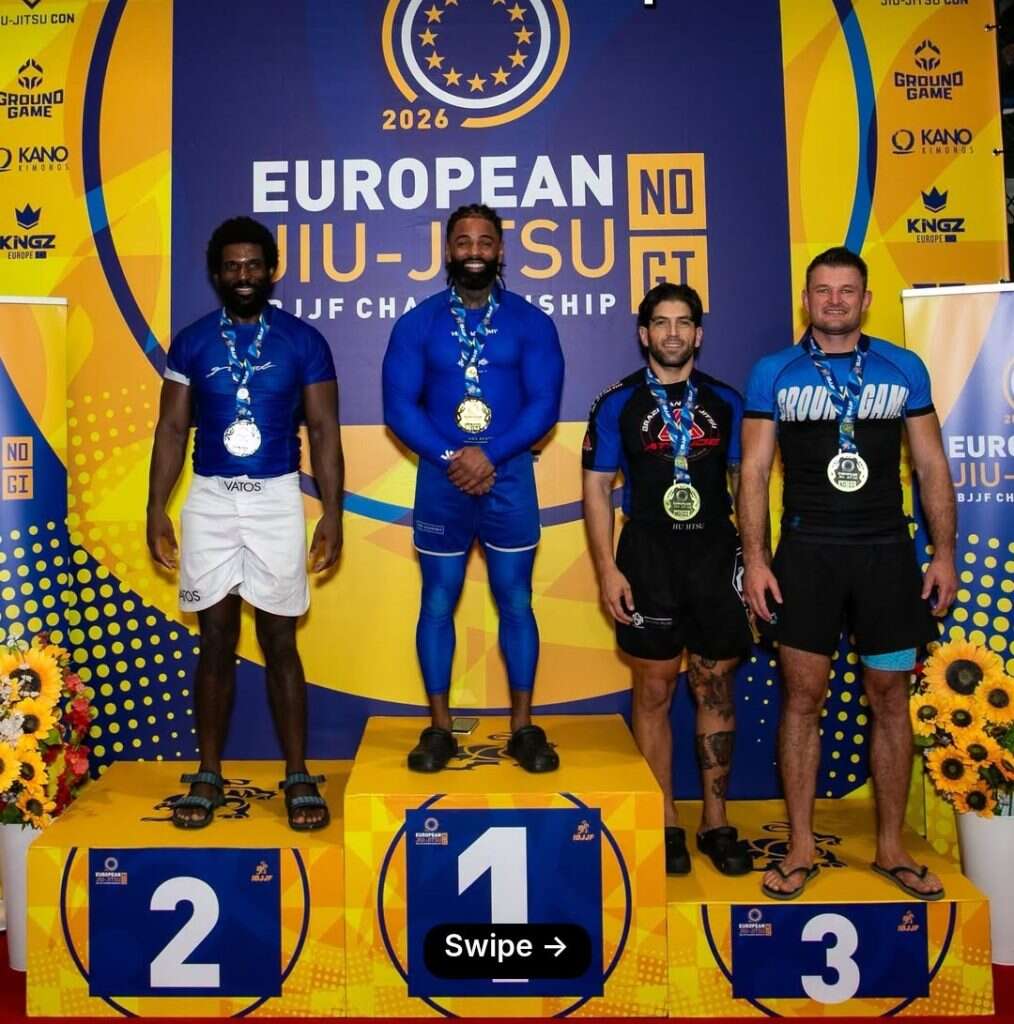
For him, fitness is about building habits and consistency, much like practicing Judaism. "One of the reasons I made that transition [to online coaching] is I had many experiences talking to people to realize that really, this is a lot like practicing Judaism," he explained. "Fitness is about figuring out how to build a lifestyle and show up doing the actions repeatedly."
His advice to clients draws on the Jewish principle of na'aseh v'nishma – we will do and we will hear.
"Do first, understand second," he said. "You show up with the doing and the doing is kind of where the magic happens, because we need to adjust that to be appropriate for where you are right now.
Beyond fitness, Ben Moshe is also an author and speaker, sharing his personal journey with audiences and media outlets in Israel and abroad. His appearances have included interviews with Olim Paveway, The Times of Israel, Israel from the Inside podcast and Israel Unfiltered.