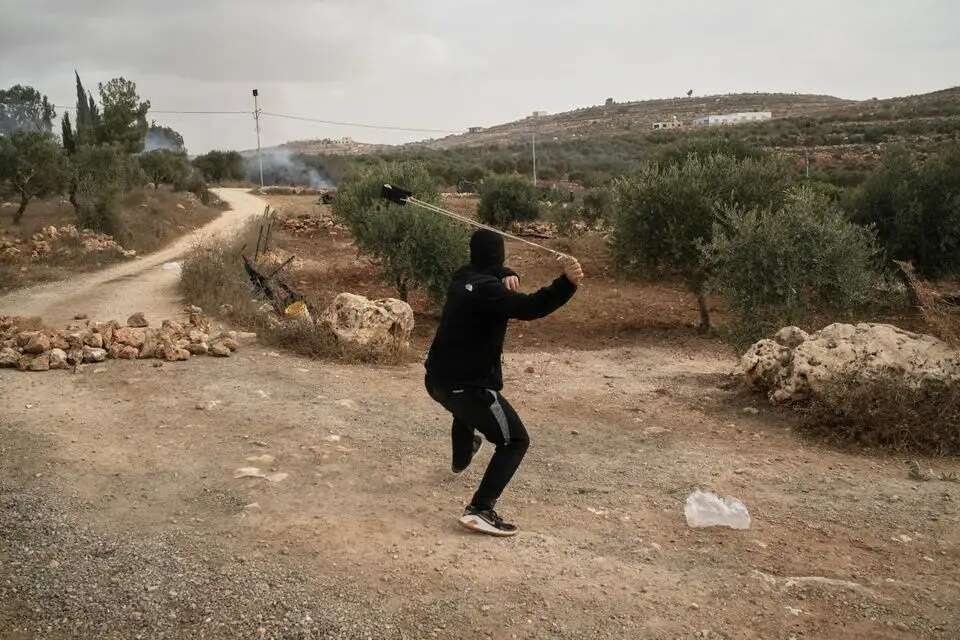
There is a growing scale of Jewish terrorism against Palestinians living in the West Bank that has long passed the point of something Israelis can ignore.
What used to be dismissed as isolated violence is now impacting Israel on a global scale. For example, incoming House Speaker Hakeem Jeffries has set his sights on West Bank settler sanctions and is working on legislation targeting settler violence as a priority for the first 100 days of the new Congress.
This could mark a shift in Washington's approach to the Israeli-Palestinian conflict following the Democrats' victory in the midterm elections. Even Secretary of State Marco Rubio, one of Israel's greatest allies, has said he wants Israel to do more to deter attacks committed by settlers in the West Bank.
"We're very disturbed by those images and what we're seeing," Rubio said. "We've asked the Israelis, and continue to ask them, to crack down on that stuff."
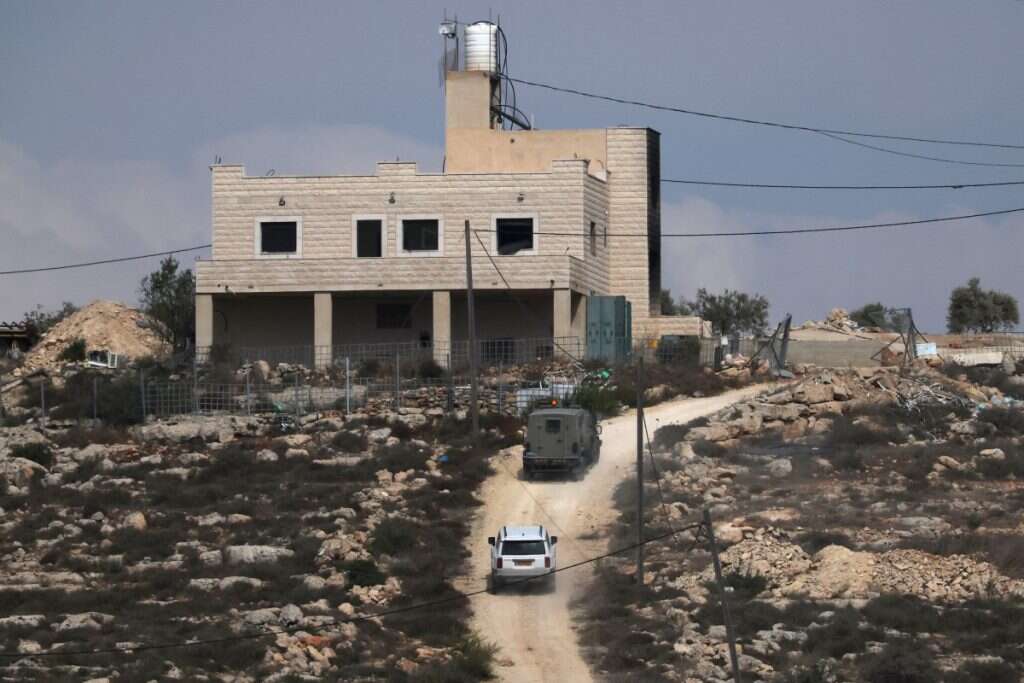
Yet it should not be Washington that dictates Israeli policy in the West Bank. As a Western democracy, Israel has a moral obligation to put an end to the violence of these hilltop youth once and for all.
There are some who, likely because they are uncomfortable confronting the notion of "Jewish terrorism," argue that the phenomenon is blown out of proportion because it does not match the scale of attacks perpetrated by Palestinian terrorists. But this downplays the seriousness of the attacks and makes excuses for Israel's failure to stop them.
Jewish terrorism should not have to match the scale of Palestinian terrorism for Israel to take decisive action and punish those responsible. Addressing a problem is what a responsible and moral state does. Turning a blind eye because of discomfort will not make it go away. It will only endanger both Israel's security and its international standing.
Israel's security establishment reported more than 950 incidents of Jewish nationalist violence in the West Bank during 2026, as of early October. A November 23, 2026, IDF Radio report cited security establishment figures showing 181 incidents during the 2026 olive harvest, compared with 145 in 2025 and 104 in 2024. That is a 74% increase over two years for that specific period.
Israeli human rights group Yesh Din, however, documented more than 530 incidents of settler violence since the beginning of the olive harvest in late September, averaging 27 violent incidents each day. Yesh Din says that Israeli soldiers were present at roughly one quarter of the attacks over this period.
Whichever numbers are used, we can no longer claim that these attacks are coming from the fringe.
Just over the weekend, settlers attacked and hospitalized veteran Washington Post photojournalist Heidi Levine as she traveled with a group of Palestinians at the start of the olive harvest. The next day, settlers attacked a group of European diplomats visiting the Palestinian Christian town of Taybeh. Israeli authorities arrested 10 suspects, but unfortunately, we have reached a point where it is difficult to trust that those suspects will be properly prosecuted.
A recent Israel Hayom report stated that senior figures in the settlement movement are frustrated, saying that even when suspects are arrested, cases often fall apart quickly. Some are now calling for administrative detention for those suspects.
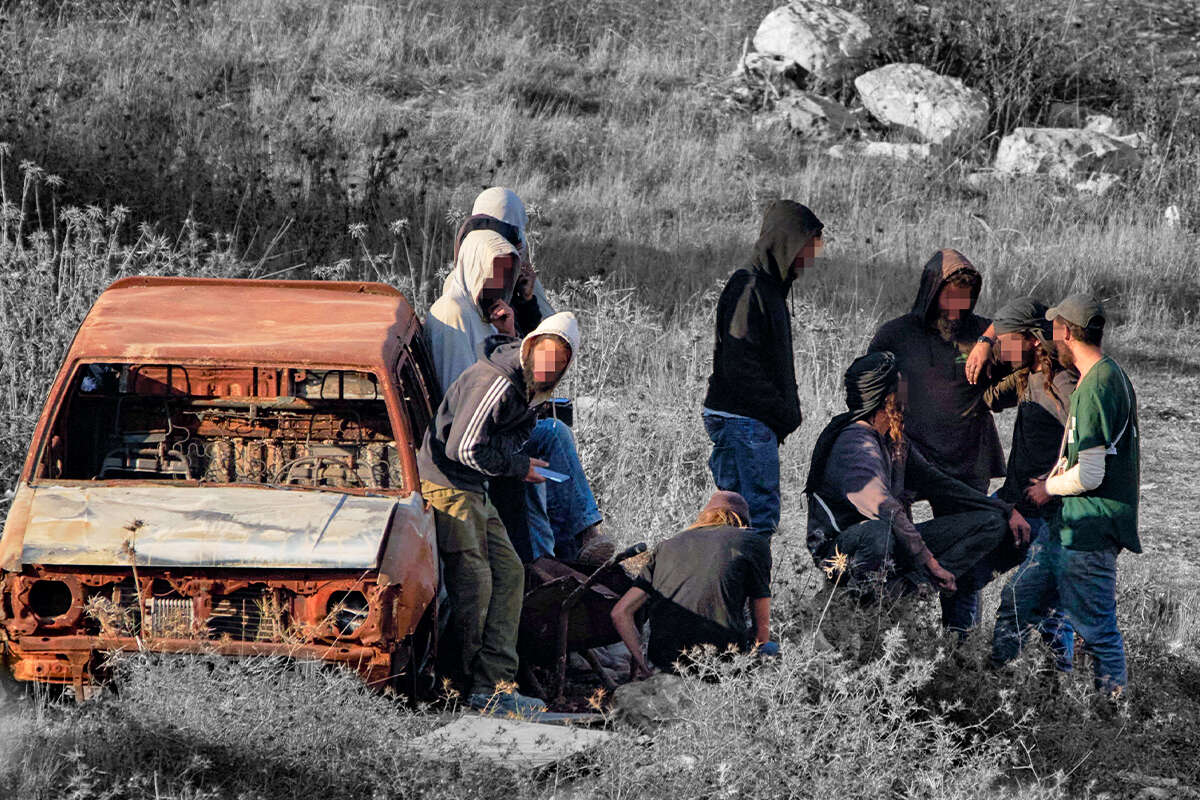
Israeli authorities have communicated real challenges in efforts to crack down on settler violence, attributing them to political resistance, fragmented authority, weak law enforcement, difficulties securing convictions, and the reluctance of some Palestinian victims to engage with Israeli authorities.
The irony is that Israel has the legal and security mechanisms to prosecute Jewish extremists in the West Bank, yet we have not seen effective enforcement of those mechanisms. Security personnel attribute this in part to ministers who oppose certain enforcement measures and have undermined efforts to contain Jewish extremism.
For example, in November 2024, Defense Minister Israel Katz announced an end to administrative detention orders against Jewish settlers suspected of extremist violence, despite concerns within the Shin Bet that the decision could undermine efforts to prevent attacks.
The move was welcomed by National Security Minister Itamar Ben-Gvir and Finance Minister Bezalel Smotrich, both of whom criticized the use of administrative detention against settlers as discriminatory. Smotrich argued that suspected perpetrators should instead face ordinary criminal proceedings.
There is also confusion in the West Bank over security and law enforcement responsibilities between the Israel Police, the IDF, and the Shin Bet. Additionally, too many Palestinians do not trust Israeli law enforcement. The Institute for National Security Studies reported in January 2026 that approximately two-thirds of Palestinian victims did not file police complaints in 2024.
So what can be done to curb these attacks? INSS experts say that effectively combating settler violence in the West Bank requires stronger coordination between the IDF, Shin Bet, Israel Police, and prosecutors, alongside increased resources for criminal investigations and prosecutions.
They recommend establishing a dedicated task force, dismantling unauthorized outposts linked to violence, enforcing restraining orders against dangerous extremists, and ensuring soldiers intervene to protect Palestinian civilians. They also emphasize the importance of addressing radicalization among extremist youth and securing consistent political backing for law enforcement.
Ultimately, INSS argues that Israel already possesses many of the legal and security tools necessary to confront the violence, but their effectiveness depends on consistent enforcement, institutional accountability, and political will.
Israel cannot ask the world to take terrorism against Israelis seriously while refusing to confront terrorism committed by Jews. This is not about appeasing Washington, accepting foreign pressure, or minimizing Palestinian terrorism. It is about whether Israel is prepared to uphold its own laws and values when doing so is politically difficult.
Settler violence does not strengthen Israel's security or advance the Zionist project. It weakens the rule of law, endangers soldiers, damages Israel's international standing, and makes life more dangerous for Israelis and Palestinians alike.
Israel already has the tools to deal with this problem. What it lacks is the political will to use them consistently. The question is whether Israel's leaders will allow a violent ideological minority to dictate the country's future, or whether they will finally make clear that no one is above the law.