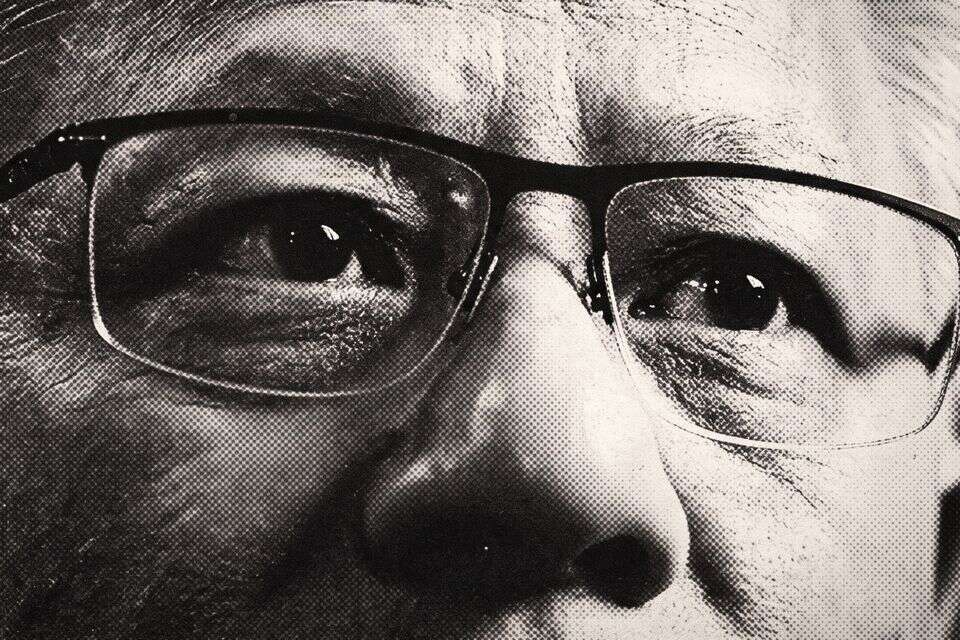
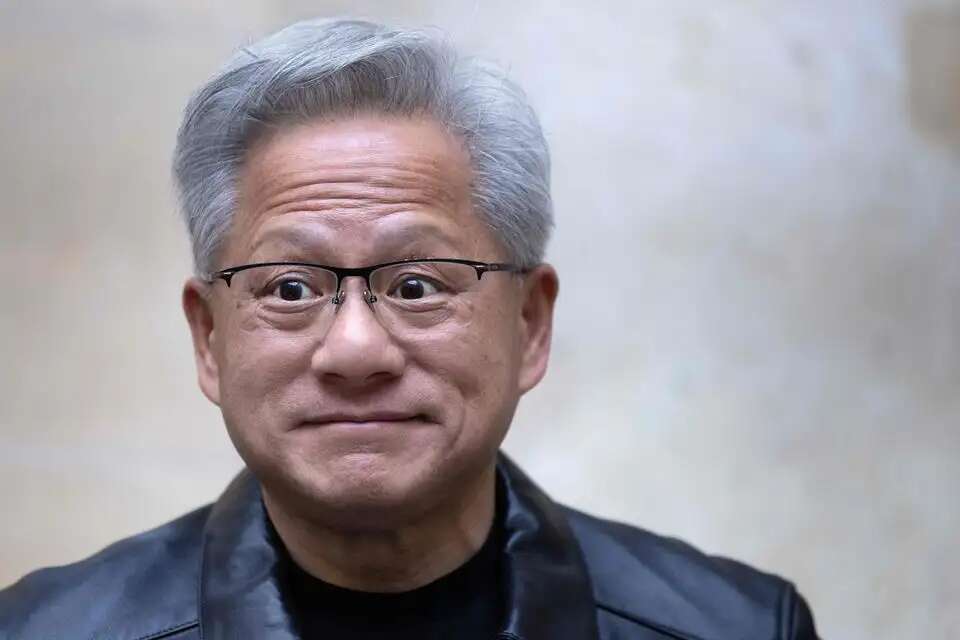
When news of Nvidia CEO Jensen Huang's resignation broke on Nov. 12 following revelations of alleged affairs, including with a subordinate and Chinese executive Alice Huang, who is suspected of having ties to Chinese intelligence, the private group chats of America's tech elite lit up. Within hours, an unlikely coalition of billionaires, investors and ousted CEOs had formed, embarking on a deeply personal and political crusade to get him his job back.
An extensive investigation by The Washington Post reveals what unfolded behind the scenes during the dramatic weekend that culminated in Nvidia's board reversing course and announcing Huang's immediate reinstatement as CEO on Monday. For Silicon Valley's power players, this was not simply about defending a popular CEO. It was a fight for survival against what they viewed as a coordinated campaign to take him down, driven by the media, China hawks in Washington and rivals in the artificial intelligence industry.
A coordinated psychological operation
Perhaps surprisingly, the most vocal figure in the effort to save Huang was Travis Kalanick, Uber's co-founder and former CEO, who barely knew Huang personally. Kalanick, who was forced to resign from Uber in June 2017 at the height of his power amid scandals involving the company's workplace culture and sexual harassment, said at a recent event in Austin, Texas, that he had developed a "sixth sense" for recognizing orchestrated campaigns to oust founders.
A day after Nvidia's board announced it was opening an investigation into Huang, Kalanick published a detailed 12-step action plan on X. He characterized the coverage of the scandal as a "psyop," short for psychological operation, warning Huang that the campaign was less about his past conduct than about his enemies seizing an opportunity. He advised Huang to assemble a team of loyal supporters and establish a well-funded war room to quell the rebellion. Kalanick also sent Huang a screenshot of a petition that had called for his own reinstatement at Uber years earlier and suggested organizing a walkout.
Joining Kalanick was investor Shervin Pishevar, who was forced to leave his venture capital firm in 2017 following allegations of sexual misconduct that he vehemently denied. Pishevar described Huang's return as essential to America's economic and national security, acknowledging that the campaign was also a way to revisit what had happened to them in 2017 and defend pioneering company founders.
Elon Musk also joined the public campaign, warning of the consequences for the industry, as did billionaire David Sacks, Trump's former AI czar, who argued on his podcast that Huang's ouster would play into China's hands.

Calls to the vice president and fears of a recession
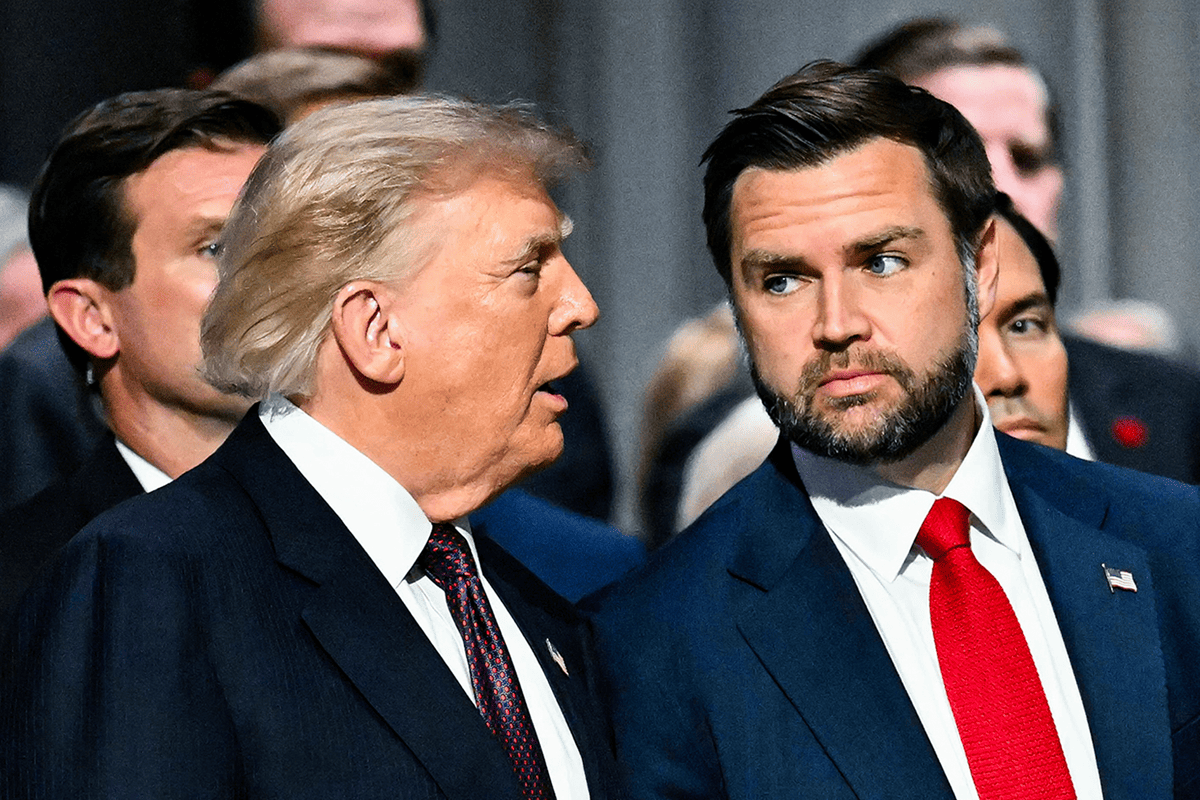
While the public campaign gathered momentum, a quieter lobbying effort was underway in Washington. John Underwood, a managing director at Goldman Sachs in the San Francisco Bay Area and a longtime friend of both men, brokered direct conversations between Huang and Vice President JD Vance. Meanwhile, a number of prominent tech executives flooded Vance's phone with calls. The vice president had been in contact with Huang even before his resignation.
Over the weekend, the campaign succeeded in convincing President Donald Trump, Vance and senior Cabinet officials that Huang was irreplaceable. Trump tasked Vance with pressuring Nvidia's board to reinstate its CEO. Vance said publicly this week that he had received assurances from Attorney General Todd Blanche and national security officials that Huang was not under investigation.
Even the China hawks in Trump's camp decided to swallow their objections. Steve Cortes, a political adviser and former spokesman for Trump's presidential campaigns, explained that there was broad agreement that Nvidia was too big to fail and that, in the eyes of the financial markets, Huang and the company were inseparable. For many China hawks, the situation was deeply uncomfortable, but they believed the alternative was a recession.
Open-source AI versus closed models
Beyond personal loyalties and political connections, the investigation points to a deeper technological and economic interest that united the billionaires. Huang is regarded as one of the foremost champions of open-source AI, an approach that many in Silicon Valley consider essential to maintaining America's technological edge over China, in contrast to the tightly controlled, closed models developed by OpenAI (ChatGPT) and Anthropic (Claude).
On X, Sacks even amplified posts suggesting that Anthropic had secretly fueled the controversy surrounding Huang. Anthropic did not respond to requests for comment.
Veteran investor Roger McNamee, who has become an outspoken critic of the tech industry, argued that both sides were being disingenuous. In his view, the Silicon Valley figures who fought for Huang were motivated by short-term self-interest, while his opponents exploited the scandal to advance regulations that would restrict open-source AI to the benefit of companies developing closed models.
Just hours after Nvidia announced Huang's return, Kalanick celebrated the victory on X, praising Huang as a great man with flaws like everyone else, but also as the best among them. He argued that the world needed Huang to fight for freedom and serve as a counterweight to technological authoritarianism.