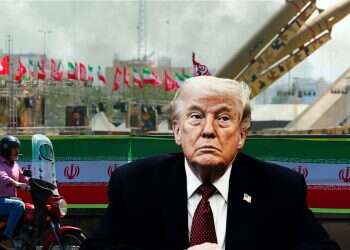
"Israel stands at a crossroads. It can grow from the tragedy of October 7, become more secure and more integrated into the world, or continue its current trajectory toward becoming a pariah state" – so warned Jared Kushner, special envoy and son-in-law of President Donald Trump, in an interview published this week in New York magazine. In a subsequent interview on the podcast of German businessman and media publisher Mathias Döpfner, Kushner called on Israel to move beyond a "mindset of perpetual war" and focus on economic diplomacy and the completion of initiatives in Gaza.
Although these remarks were made against the backdrop of the Trump administration's ongoing frustration with delays in implementing the framework for the Gaza Strip, they presumably reflect the prevailing view in the White House and will translate into expectations of any Israeli government regarding other theaters as well. Therefore, the remarks warrant particularly serious consideration because they come from a true friend of Israel who continues to work on its behalf and wants it to succeed.
Yet it is precisely out of this appreciation that we must challenge the premise underlying Kushner's argument. Israel does not face a choice between military victory and regional integration. In the Middle East, the former is a prerequisite for the latter. International acceptance, economic cooperation, and regional prosperity are not achieved by compromising on vital security interests, but by demonstrating the strength, resolve, and ability to defend them.

Underlying the dilemma Kushner presents – between prosperity and integration on the one hand and isolation and perpetual war on the other – is the assumption that calm, security, and stability can be purchased through diplomatic shortcuts. Israel's bitter experience teaches precisely the opposite; that whenever Jerusalem has prioritized the applause of the international community over securing decisive victory, Israel pays a steep price with compound interest just a few years later.
There is no need to cite numerous examples. They are well known. Over the past three years, Israeli society has paid an unbearably heavy price in blood, but thanks to its determination and the valor of its soldiers, it has also achieved unprecedented strategic gains. The regional equation has changed, the axis of evil has suffered severe blows, and Israeli deterrence has been rebuilt through sweat and tears.
The test: Security Benefits
Returning to the Board of Peace's plan for Gaza, which brought this fundamental debate into the headlines, Israel's starting point is that the plan's principal contribution has already been realized through the return of our hostages from the Strip. Israel was compelled to agree to its other components only because they constituted a condition for, and the price of, securing hostage return, not because they were desirable in the first place. From this point onward, when it comes to shaping the "day after" in the Gaza Strip, the balance of advantages and disadvantages of the American framework becomes complex and does not clearly favor Israel.
The warning by American adviser Josh Greenbaum that the Board of Peace will hand the keys to Gaza back to the UN if Israel continues to delay implementation of the framework in the Strip should not cause alarm in Jerusalem. Greenbaum apparently assumes that Israel's apprehension about the prospect of controlling the entire Gaza Strip is so great that its political leadership will agree to swallow any bitter pill to avoid it. Well, anyone who thinks so has failed to grasp the profound shift in Israeli public consciousness since October 7.
Public opinion polls conducted throughout 2026 revealed the Israeli public's deep skepticism about moving on to the subsequent stages of the Gaza arrangement, against the backdrop of a sense that the security threat emanating from the Strip has yet to be eliminated and widespread opposition to frameworks whose ultimate destination is a Palestinian state. For those who have difficulty remembering, Article 19 of the plan stipulates that "as Gaza's redevelopment advances and when the Palestinian Authority reform program is faithfully carried out, the conditions may finally be in place for a credible pathway to Palestinian self-determination and statehood."
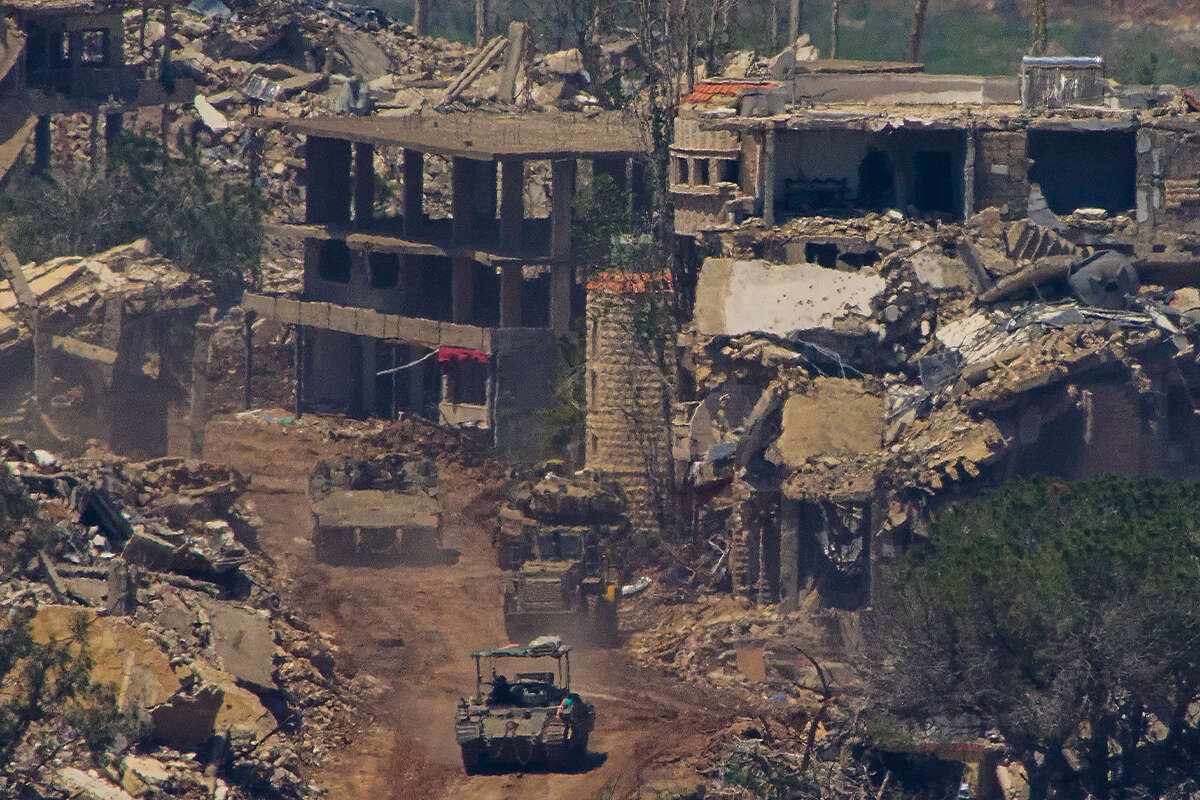
The prevailing sentiment among the Israeli public is one of deep suspicion toward international arrangements, particularly when it is clear that they could allow the enemy not only to survive but also to rebuild its strength. When similar demands are made of Israel in the same week by the Board of Peace and Hamas leader Khalil al-Hayya, it is not merely permissible but imperative to question their anticipated benefit to Israel – even if it is clear that the demands stem from different motives.
The measures that the Board of Peace is now seeking to advance include, among other things, authorizing an international stabilization force and deploying a local police force. All this is happening while Hamas remains the undisputed power in the Strip, retains its weapons, continues to build up its strength, and is prepared to allow – at best, from the American perspective – only a Gazan version of the Hezbollah model in Lebanon. This means a civilian administration that does not officially identify as Hamas but in practice does its bidding, whether under duress or willingly. The fact that Hamas views the existence of the Board of Peace negatively cannot, in and of itself, count in the board's favor.
Israel must maintain a close and respectful dialogue with the Trump administration but assess every demand made of it solely through the prism of security benefits. It must continue its efforts to thwart Hamas, expand military operations to curb smuggling and Hamas military buildup, and refrain from relying on diplomatic arrangements that depend on Hamas's willingness to cooperate. Nor should it offer anything in return merely to shift blame for the lack of progress on Hamas. If the October 7 massacre is not enough to make clear what Hamas is, nothing else will.
In our region, the strong prosper
Moving beyond Gaza to the other active theaters, Israel must recognize that, despite the considerable time that has elapsed, the work there, too, remains unfinished. If Israel now buckles under diplomatic pressure and compromises on vital security interests – such as complete freedom of military action, the total removal of threats, genuine demilitarization, and the complete destruction of terrorist infrastructure – it will undermine with its own hands everything achieved at a terrible price. Our enemies interpret concessions not as goodwill or as the turning of a new page but as weakness and an opportunity to regroup ahead of the next round.
Moreover, moderate countries in the region with which Israel aspires to expand the circle of peace and economic cooperation are not looking for a weak and weakened partner – even if it enjoys momentary approval in Washington or Europe. In the Middle East, alliances are forged with the strong, with those capable of defending themselves and their allies, not with those who buckle in the face of threats.
The responsibility of Israel's leadership is to explain to the American administration, through an open and candid dialogue between friends and partners, that the path to realizing the vision of regional peace and prosperity runs through total victory and uncompromising security. Global approval is a fickle and fleeting resource. Israel's national security is a prerequisite for its very existence.
If Israel chooses victory, approval and integration will follow. If Israel is tempted to seek approval at the expense of victory, it will ultimately lose both.
Originally published in Hebrew in Makor Rishon.