Israel Hayom is a media organization founded on the belief that the Israeli public deserves better journalism—more balanced, more accurate, and more reliable. Journalism that speaks rather than shouts. Journalism that is trustworthy, objective, and matter-of-fact. A different kind of journalism, offered free of charge.
The first print edition was published on July 30, 2007, and in 2010 Israel Hayom became the Israeli newspaper with the highest weekday readership. The newspaper’s publisher is Dr. Miriam Adelson. Its Editor-in-Chief is Omar Lachmanovitch, and its founding editor is Amos Regev.
Israel Hayom’s Hebrew and English websites, as well as its Android and iOS applications, provide around-the-clock news coverage, exclusive content, breaking news and updates, analysis and commentary, video, podcasts, and live broadcasts.
The digital platforms of Israel Hayom include news and opinion channels covering culture and entertainment, lifestyle, technology, sports, business and consumer affairs, health, military affairs, food, Judaism, tourism, and automobiles.
In 2021, a new Hebrew-language website and mobile application were launched to provide users with a fast, up-to-date, secure, and convenient experience.
The content of the newspaper’s print edition is also available online through a daily digital edition and can be received via newsletter.
“The Israel Hayom Clique,” the publication’s exclusive benefits club, offers website users discounts and special promotions on products and services.
Israel Hayom welcomes feedback, criticism, and suggestions for improvement from its readers. You can contact the organization by email at hayom@israelhayom.co.il
With Iran declaring a ceasefire after 24 hours of direct exchanges of fire, Israel's security cabinet decided the IDF will continue clearing the security zone in southern Lebanon, while seeking to end the fighting.
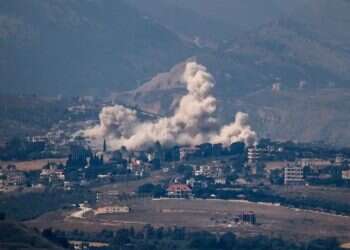
The IDF struck Hezbollah infrastructure site in Dahiyeh. Lebanon reports at least one fatality. Netanyahu at cabinet meeting: "We will not allow Hezbollah fire at our territory or our communities, and we will act accordingly." Iranian foreign minister threatens: "Any attack in Beirut will lead to renewed war."
Hezbollah rockets keep falling on Israel's border towns even as Washington declares a truce, with residents and polling alike signaling deep frustration.
During a cabinet meeting, the IDF chief of staff presented a plan to expand the campaign and ground maneuver, which was backed by most ministers. The prime minister voiced reservations, and the US later announced a ceasefire.
Trump says he spoke with Netanyahu and Hezbollah through representatives to prevent an Israeli move into Beirut and halt cross-border fire, after Iran warned that renewed strikes in Lebanon could collapse the ceasefire.
A European diplomatic source warned that expanding strikes to Beirut could undermine Lebanese public support for the fight against Hezbollah and derail negotiations for an agreement. According to the source, the real solution to the threat posed by the terrorist organization lies in cutting it off from banks in Turkey and carrying out coordinated regional action.
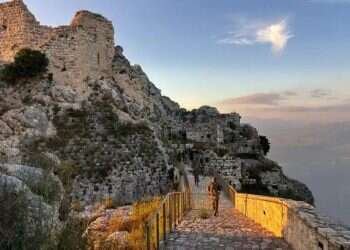
The main operation is focused on gaining control of the Beaufort ridge and the Wadi Saluki area, which in recent years were considered major Hezbollah activity hubs. The IDF claims terrorist infrastructure was built in the area under Iranian guidance, from which operations against Israel were directed and various attack plans were prepared.
As relentless Hezbollah fire targets northern communities in Israel, calls for tougher action in Lebanon continue. Former prime minister Naftali Bennett attacks the government, National Security Minister Itamar Ben Gvir demands “flattening Dahiyeh,” and former IDF chief Gadi Eisenkot blames the lack of a decisive response.
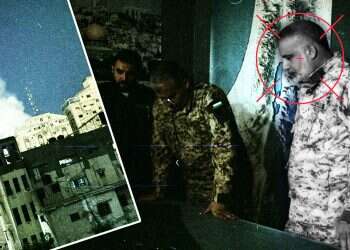
Hamas confirmed Mohammed Odeh’s death after he had taken up the post only about a week and a half earlier. Six people were killed in the strike in an upscale Gaza neighborhood, including his wife, sons and daughter.