Israel Hayom is a media organization founded on the belief that the Israeli public deserves better journalism—more balanced, more accurate, and more reliable. Journalism that speaks rather than shouts. Journalism that is trustworthy, objective, and matter-of-fact. A different kind of journalism, offered free of charge.
The first print edition was published on July 30, 2007, and in 2010 Israel Hayom became the Israeli newspaper with the highest weekday readership. The newspaper’s publisher is Dr. Miriam Adelson. Its Editor-in-Chief is Omar Lachmanovitch, and its founding editor is Amos Regev.
Israel Hayom’s Hebrew and English websites, as well as its Android and iOS applications, provide around-the-clock news coverage, exclusive content, breaking news and updates, analysis and commentary, video, podcasts, and live broadcasts.
The digital platforms of Israel Hayom include news and opinion channels covering culture and entertainment, lifestyle, technology, sports, business and consumer affairs, health, military affairs, food, Judaism, tourism, and automobiles.
In 2021, a new Hebrew-language website and mobile application were launched to provide users with a fast, up-to-date, secure, and convenient experience.
The content of the newspaper’s print edition is also available online through a daily digital edition and can be received via newsletter.
“The Israel Hayom Clique,” the publication’s exclusive benefits club, offers website users discounts and special promotions on products and services.
Israel Hayom welcomes feedback, criticism, and suggestions for improvement from its readers. You can contact the organization by email at hayom@israelhayom.co.il
Since Oct. 7, the enormous failure in shaping global public opinion has been laid bare, with the effort left largely in the hands of a few advocacy heroes. To win this campaign, Israel must move from fending off lies to building a positive and inspiring vision.
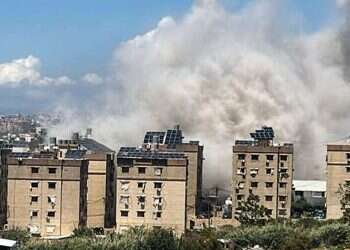
As relentless Hezbollah fire targets northern communities in Israel, calls for tougher action in Lebanon continue. Former prime minister Naftali Bennett attacks the government, National Security Minister Itamar Ben Gvir demands “flattening Dahiyeh,” and former IDF chief Gadi Eisenkot blames the lack of a decisive response.
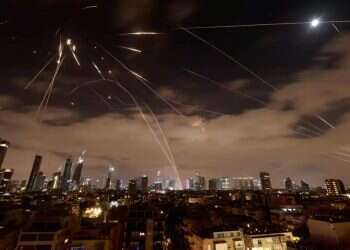
The IDF Home Front Command estimates that Iran will try to fire missiles at Israel faster than in the past in the next war. The Home Front Command stresses that the next time, too, secrecy at the start of the war against Iran will come at the expense of protection, meaning no advance warning will be given to the public. And: Within how many years will all Israelis be protected?
Aliyah carries an undeniable halo of excitement and fulfillment – but it has a less glamorous side: adjustment. The "Sabres" community is bringing olim together with native-born Israelis to build what it calls a "strong and equal" community that helps both at a time making connections is harder than ever.
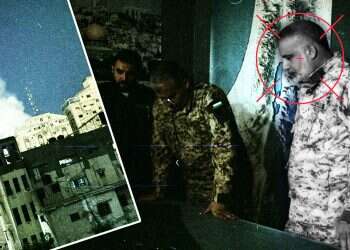
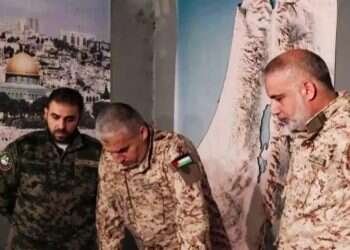
Hamas confirmed Mohammed Odeh’s death after he had taken up the post only about a week and a half earlier. Six people were killed in the strike in an upscale Gaza neighborhood, including his wife, sons and daughter.
11 days after his predecessor, Izz al-Din al-Haddad, was eliminated by the Israeli Air Force, his successor, Mohammed Odeh, has also been eliminated. Before succeeding al-Haddad, Odeh headed the military intelligence headquarters in Gaza, which was responsible for gathering information on IDF bases in the western Negev.
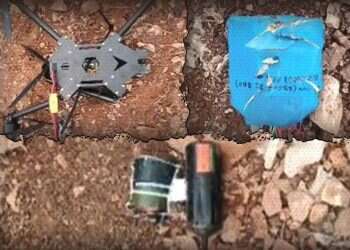
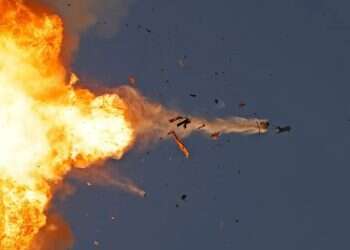
Despite the isolated incident, at this stage it is impossible to know whether the cluster munition, combined with the nets IDF soldiers are deploying over fortified positions and sites, will eliminate the emerging threat they face in southern Lebanon, or at least reduce it.
When he was serving as commander of IDF Division 210 on the Golan Heights, Roman Gofman met with a senior Mossad official in an effort to cooperate. The very fact that the meeting took place shows the great importance Gofman attached to the field of influence, which would later entangle him and now stands between him and the Mossad directorship.
Residents of Rosh Hanikra describe life under a “ceasefire” marked by relentless fire and persistent anxiety. “There is a sense of uncertainty, insecurity and lack of trust,” residents say, warning: “If this continues, everyone will leave.”