Israel Hayom is a media organization founded on the belief that the Israeli public deserves better journalism—more balanced, more accurate, and more reliable. Journalism that speaks rather than shouts. Journalism that is trustworthy, objective, and matter-of-fact. A different kind of journalism, offered free of charge.
The first print edition was published on July 30, 2007, and in 2010 Israel Hayom became the Israeli newspaper with the highest weekday readership. The newspaper’s publisher is Dr. Miriam Adelson. Its Editor-in-Chief is Omar Lachmanovitch, and its founding editor is Amos Regev.
Israel Hayom’s Hebrew and English websites, as well as its Android and iOS applications, provide around-the-clock news coverage, exclusive content, breaking news and updates, analysis and commentary, video, podcasts, and live broadcasts.
The digital platforms of Israel Hayom include news and opinion channels covering culture and entertainment, lifestyle, technology, sports, business and consumer affairs, health, military affairs, food, Judaism, tourism, and automobiles.
In 2021, a new Hebrew-language website and mobile application were launched to provide users with a fast, up-to-date, secure, and convenient experience.
The content of the newspaper’s print edition is also available online through a daily digital edition and can be received via newsletter.
“The Israel Hayom Clique,” the publication’s exclusive benefits club, offers website users discounts and special promotions on products and services.
Israel Hayom welcomes feedback, criticism, and suggestions for improvement from its readers. You can contact the organization by email at hayom@israelhayom.co.il
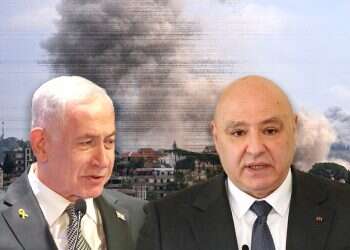
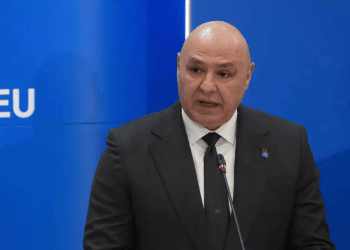
In an interview with CNN over the weekend, Lebanese President Joseph Aoun called on Iran to keep its hands off his country's policy, increasing the threat to his life, given that he is an assassination target for Iran and Hezbollah. Diplomatic sources told Israel Hayom: "This leadership understands that the way to rehabilitate the country is to end Hezbollah's harmful influence."
A source familiar with the talks told Ad-Diyar the agreement created a framework for progress but faced major obstacles, first and foremost opposition from the terrorist organization and continued strikes. Meanwhile, Nabih Berri is working to formulate a new road map with the help of countries in the region.
Joseph Aoun told CNN that the enmity between Israel and Lebanon must end permanently, and accused both Netanyahu and Hezbollah of fighting a war that can never be won.
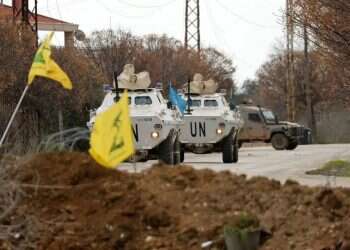
A Serbian sergeant serving with UNIFIL was killed and two Spanish soldiers were wounded when a mortar shell hit their position. The IDF said the fire was carried out by Hezbollah. The UN has opened an investigation, stressing: “An attack on our forces is a serious violation of international law.”
The fourth meeting between Israel and Lebanon ended overnight. The ceasefire agreement will be conditional on a complete halt to Hezbollah fire and the full evacuation of its members from south of the Litani River. “Pilot zones” will be established under the exclusive control of the Lebanese Armed Forces. The sides will also reconvene in the final week of June with the aim of reaching a “comprehensive security agreement.”
Tehran widened its warnings after overnight strikes on Kuwait City's airport while the Revolutionary Guards claimed dominance over the Strait of Hormuz; new details emerged about Washington's nuclear annex to Iran.
As the fighting in Lebanon escalates, Tehran has sent a threatening message aimed at Washington. “We will not tolerate Israel’s crimes in Lebanon,” a senior security official in the Islamic republic said. US Central Command acknowledged that two Iranian ballistic missiles were intercepted overnight after being fired toward Kuwait.
President Trump repeated his claim that the Iranians are interested in reaching a deal, but the situation on the ground remains volatile. Footage filmed in Isfahan Province shows a powerful explosion, but authorities claim it was a deliberate detonation of ammunition.
Sources linked to the rebel government in Sanaa told Al-Akhbar that "any Israeli escalation will be met with a unified response by the Axis of Resistance." They also said there was "broad popular willingness to fight alongside the heroes of the Lebanese resistance on the battlefield."