Israel Hayom is a media organization founded on the belief that the Israeli public deserves better journalism—more balanced, more accurate, and more reliable. Journalism that speaks rather than shouts. Journalism that is trustworthy, objective, and matter-of-fact. A different kind of journalism, offered free of charge.
The first print edition was published on July 30, 2007, and in 2010 Israel Hayom became the Israeli newspaper with the highest weekday readership. The newspaper’s publisher is Dr. Miriam Adelson. Its Editor-in-Chief is Omar Lachmanovitch, and its founding editor is Amos Regev.
Israel Hayom’s Hebrew and English websites, as well as its Android and iOS applications, provide around-the-clock news coverage, exclusive content, breaking news and updates, analysis and commentary, video, podcasts, and live broadcasts.
The digital platforms of Israel Hayom include news and opinion channels covering culture and entertainment, lifestyle, technology, sports, business and consumer affairs, health, military affairs, food, Judaism, tourism, and automobiles.
In 2021, a new Hebrew-language website and mobile application were launched to provide users with a fast, up-to-date, secure, and convenient experience.
The content of the newspaper’s print edition is also available online through a daily digital edition and can be received via newsletter.
“The Israel Hayom Clique,” the publication’s exclusive benefits club, offers website users discounts and special promotions on products and services.
Israel Hayom welcomes feedback, criticism, and suggestions for improvement from its readers. You can contact the organization by email at hayom@israelhayom.co.il
Prime Minister Benjamin Netanyahu said during a visit to the 36th Division that IDF troops had crossed the Litani River, while the terrorist organization responded by expanding the range of its fire toward Carmiel and Safed. Against the backdrop of the exchanges of fire, concern is growing over a temporary arrangement between Washington and Tehran that would extend the ceasefire by 60 days and allow Hezbollah to regroup.
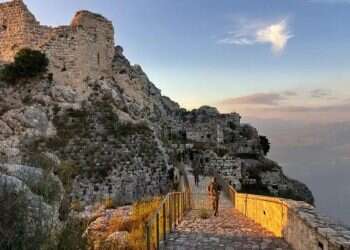
The main operation is focused on gaining control of the Beaufort ridge and the Wadi Saluki area, which in recent years were considered major Hezbollah activity hubs. The IDF claims terrorist infrastructure was built in the area under Iranian guidance, from which operations against Israel were directed and various attack plans were prepared.
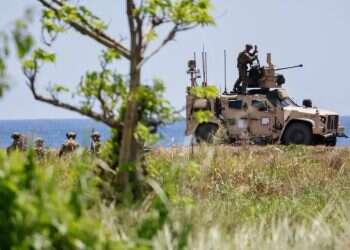
Facing cheap Iranian explosive drones, the US military found itself intercepting targets with missiles costing $1 million apiece. A new Marine Corps exercise reveals the shift in approach: moving to tactical vehicles armed with special proximity-fuse shells, reducing the cost of each shootdown to just a few thousand dollars.
Axios reports that the US president delayed signing the memorandum of understanding with Iran and demanded that his team toughen the clauses dealing with oversight of enriched uranium and the opening the Strait of Hormuz. Senior administration official takes aim at Tehran's communication methods: "It will take a few days to get an answer. They are sitting in caves without email"
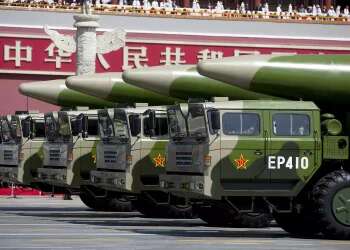
Japan’s defense minister rejected Beijing’s claims about Tokyo’s military buildup, and addressed his Chinese counterpart’s absence from Asia’s security summit: “Since World War II, we have upheld international law.” China’s defense minister boycotted the Singapore conference for the second year in a row.