

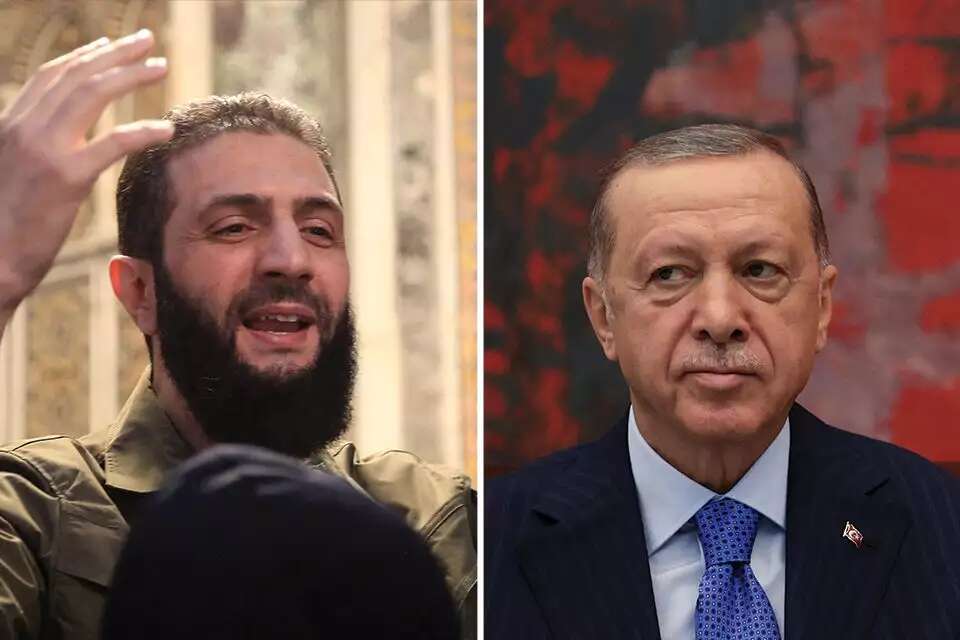
Persistence and investment pay off, muses Turkish President Recep Tayyip Erdogan, sitting contentedly in his lavish "White Palace."
After years of failing to destabilize Bashar al-Assad's regime in Syria, Erdogan has finally achieved a breakthrough. Rebels under Turkey's patronage have reached their goal, creating an opportunity to reshape Syria according to Turkish interests—both in terms of the new regime and dealing with the Kurds, long considered an existential threat by Ankara.
Relations between Syria and Turkey have seen better days, but tension and hostility have always lingered in the background. Throughout the 20th century, territorial disputes and support for opposition elements in one another's countries often brought the two nations to the brink of war. Ironically, the rise of Bashar al-Assad initially opened a window for rapprochement between Ankara and Damascus. Hostility gave way to an era of neighborly collaboration, which some characterized as a mentor-mentee dynamic. Military cooperation, economic investments, trade agreements, and cross-border tourism signaled a new chapter. By 2008, Erdogan even confirmed Turkey's role as a mediator in peace talks between Jerusalem and Damascus.
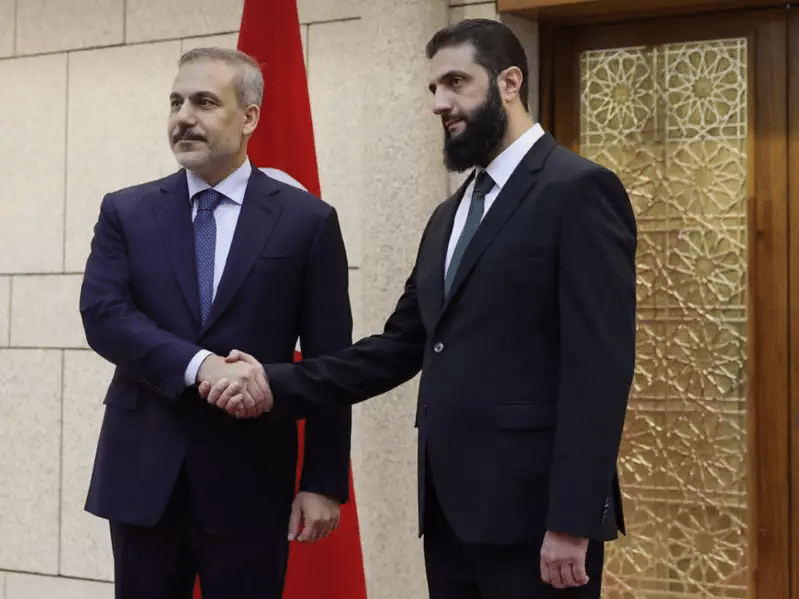
However, Assad's refusal to compromise with domestic opposition following the outbreak of protests in March 2011, and his rejection of Erdogan's calls for reforms, led to a deep rift. Turkey became a hub for military and political opposition to Assad, with Erdogan extending support to rebels of all stripes—secular and Islamist—backed by Qatar.
With US backing, Turkey began training and arming rebel groups to overthrow Assad's regime. Ankara's animosity toward Assad was so intense that it even exhibited flexibility toward ISIS. While Turkey officially condemned the Islamic State's brutal acts, the ongoing "Muslim Cold War" between Sunni and Shiite factions in Syria and Iraq led Ankara to tacitly favor ISIS's challenge to Iranian-Shiite dominance in the region. This leniency included opening its borders to jihadist fighters entering Syria, purchasing oil from ISIS, and providing logistical support to terrorists.
Until recently, it seemed the Shiite axis was prevailing. Assad regained control over most of Syrian territory, and the rebels were confined to Idlib province near the Turkish border. But Erdogan persisted, continuing to back the rebels. On December 8, his efforts bore fruit: the Syrian regime collapsed under a lightning rebel offensive, forcing Assad to flee to Russia.
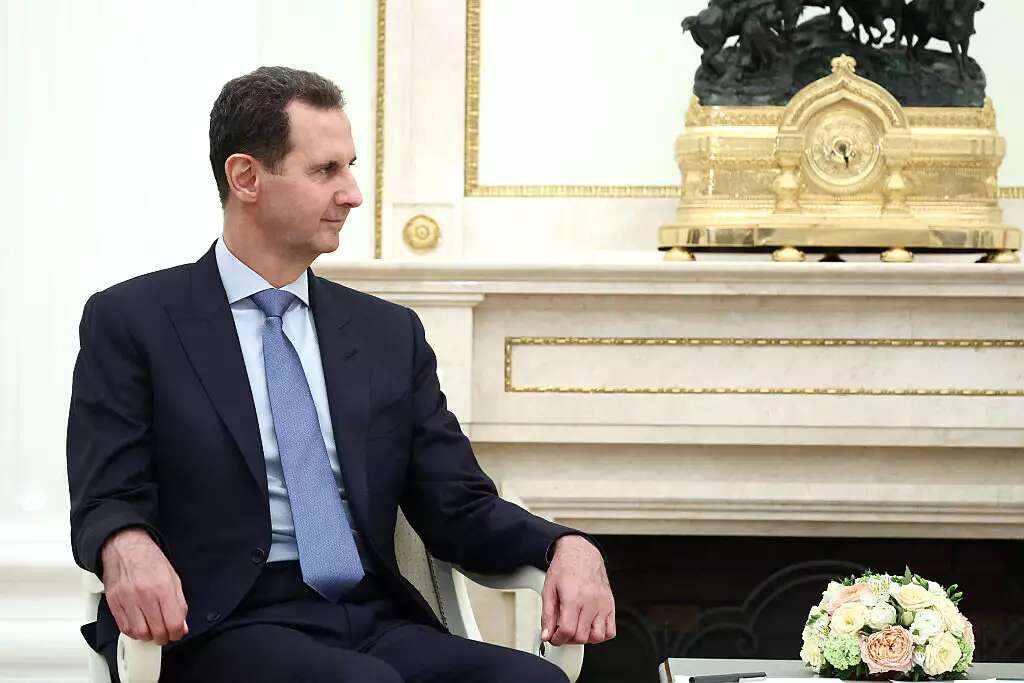
However, premature celebrations over the fall of Assad—a key ally of Iran and a linchpin in the "Axis of Resistance"—could soon give way to concern. Israel may now face Turkish-Qatari proxies on its northern border. Throughout the Swords of Iron war, Erdogan alternated between public criticism of Israel and more extreme rhetoric, accusing it of genocide, labeling it a "terror state," comparing Prime Minister Netanyahu to Hitler, claiming Hamas is defending Turkey, and even threatening to invade Israel. Most recently, Erdogan protested Israel's incursion into the Syrian buffer zone and urged the US to intervene. This is the same Erdogan who twice invaded Syria and seized territory to combat the Kurds.
Erdogan's Turkey aspires to dominate a new Middle East. Hezbollah's weakened state and Iran's defeat in Syria provide an opening for Turkish influence, even in Lebanon. Last week, Erdogan met with Lebanese Prime Minister Najib Mikati and pledged to support Lebanon "by all available means" in response to Israeli "aggression."
The collapse of strong, stable states almost always invites anarchy and a loss of control. Opportunistic actors often exploit such chaos. In this high-stakes "game of nations," Israel must engage with forces that could become its allies—particularly the Druze and Kurds. It cannot afford to cede the arena to players like the Turkey-Qatar axis, which may appear moderate but ultimately aim to undermine Israel's security foundations.


