Israel Hayom is a media organization founded on the belief that the Israeli public deserves better journalism—more balanced, more accurate, and more reliable. Journalism that speaks rather than shouts. Journalism that is trustworthy, objective, and matter-of-fact. A different kind of journalism, offered free of charge. The first print edition was published on July 30, 2007, and in 2010 Israel Hayom became the Israeli newspaper with the highest weekday readership. The newspaper’s publisher is Dr. Miriam Adelson. Its Editor-in-Chief is Omar Lachmanovitch, and its founding editor is Amos Regev. Israel Hayom’s Hebrew and English websites, as well as its Android and iOS applications, provide around-the-clock news coverage, exclusive content, breaking news and updates, analysis and commentary, video, podcasts, and live broadcasts. The digital platforms of Israel Hayom include news and opinion channels covering culture and entertainment, lifestyle, technology, sports, business and consumer affairs, health, military affairs, food, Judaism, tourism, and automobiles. In 2021, a new Hebrew-language website and mobile application were launched to provide users with a fast, up-to-date, secure, and convenient experience. The content of the newspaper’s print edition is also available online through a daily digital edition and can be received via newsletter. “The Israel Hayom Clique,” the publication’s exclusive benefits club, offers website users discounts and special promotions on products and services. Israel Hayom welcomes feedback, criticism, and suggestions for improvement from its readers. You can contact the organization by email at hayom@israelhayom.co.il

Itzhak Levanon

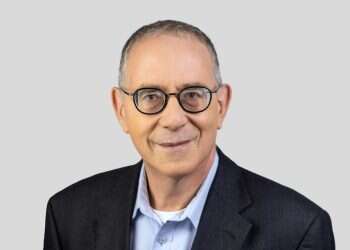
Itzhak Levanon is an Israeli diplomat and former Israeli ambassador to Egypt.

More than one Exodus

The biblical Exodus was not the only time the Jews were forced to flee Egypt. In the 1950s, under President Nasser, a glorious Jewish community was nearly obliterated.

I was also taught the Passover Haggadah, which describes the Exodus, and like many others, I read it every year at the traditional meal. Egyptian religious figures tend to describe what happened as fact, based on holy texts: Moses is the prophet and God punished Pharaoh.

That Exodus took place long ago, but there have been other Exoduses, some of them in the modern era. The most notable one was Egypt's Jews being expelled by former President Gamal Abdel Nasser in the late 1950s. Ideology, hatred for Israel, and his pan-Arabic state led Nasser to wipe out a glorious community.

The peace treaty between Israel and Egypt restored the tradition of the seder to the Land of the Nile. The Israeli Embassy in Cairo, with help from the tiny Jewish community that remained in Egypt and Jewish institutions, helped organize a traditional seder, which was held at the Shaarei Shamayim Synagogue in the heart of Cairo. The few members of the Jewish community who remained celebrated it together, along with Jewish diplomats and representatives of Jewish organizations who had traveled there for the occasion. No one wanted to miss it.

It was hard to hide the excitement when in the heart of Cairo, people read out, "We were slaves; now we are free." I pray that this year, the tradition will continue.

Personally, I had my own Exodus. My embassy colleagues and I were forced to evacuate in the middle of the night after an outraged crowd attacked the embassy and put our lives in real danger. Like the Jews of the original Exodus, we didn't have time to take anything to eat. We dropped everything and cleared out. Everyone has their own Exodus.

Related Posts