Like a match tossed into a bonfire, the sanctions initiated by Britain against Israeli settlements in Judea and Samaria and the Golan Heights could ignite a much larger blaze, because they risk emboldening Palestinian extremists and fueling extremism among those who draw encouragement from what they perceive as the world's automatic alignment with their side.
More broadly, pressure on Israel, or even punitive measures imposed against it, has never advanced peace. Instead, it has hardened Palestinian positions and reduced their willingness to engage with Israel or make compromises in negotiations. After all, why negotiate or compromise if, as the Palestinians believed, the international community would in any case pressure Israel, force it to capitulate and compel it to make concessions?
The sanctions and anger they have generated are once again turning the spotlight on developments in Judea and Samaria. They also raise the question of whether the territory is heading toward a major eruption, as some on both the Israeli Right and Left have warned, or whether the current situation will persist: a simmering boil that has yet to spill over and remains under the Israel Defense Forces' full control.
Time for a decision
The trend in Judea and Samaria is not encouraging. On one side is a dysfunctional Palestinian Authority teetering on the brink of collapse. On the other are Hamas terrorist cells that continue to operate, while the motivation of lone terrorists, and at times small groups with no organizational affiliation, continues to smolder beneath the surface as they seek opportunities to carry out attacks wherever and whenever they can.
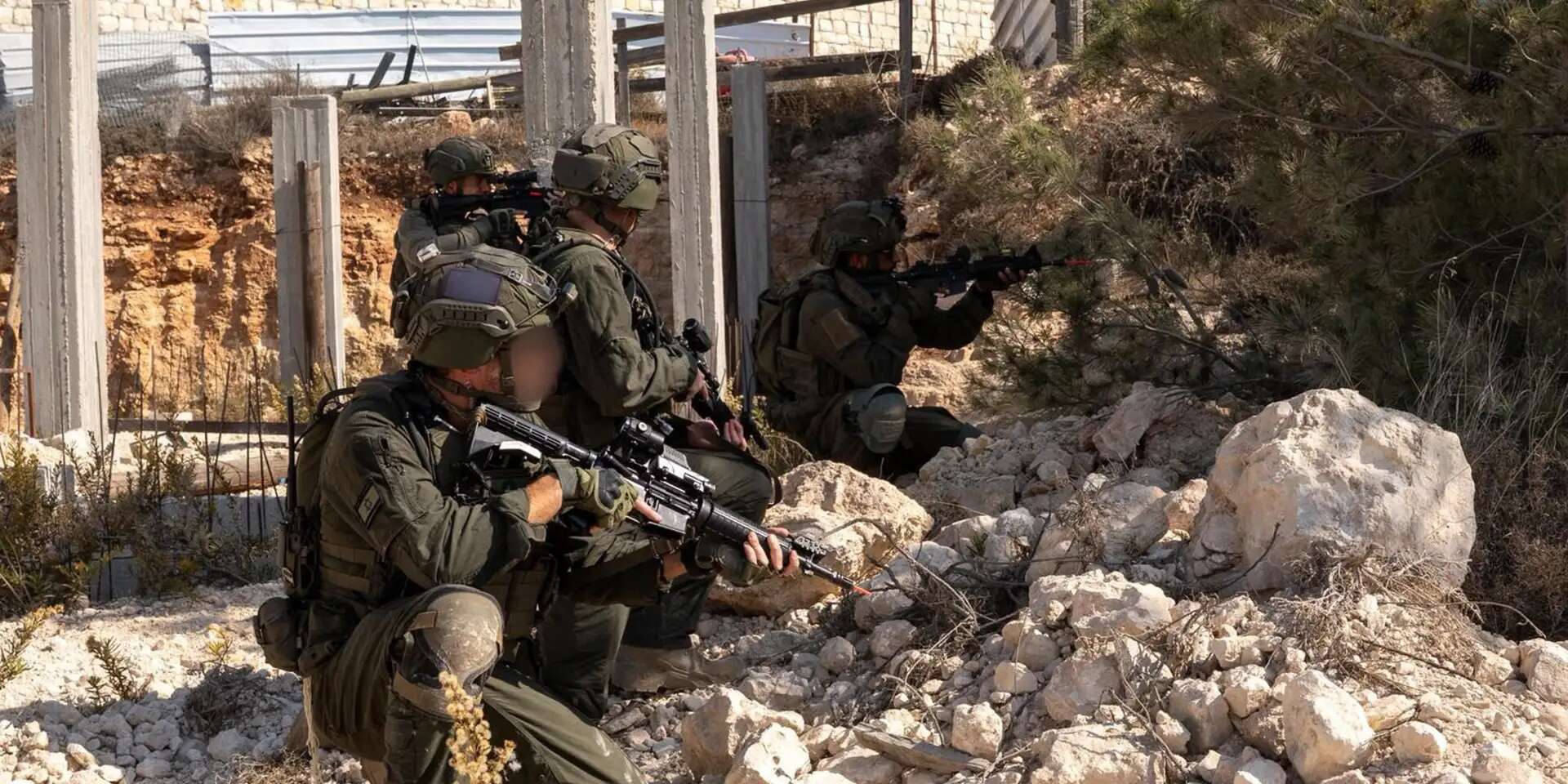
Fortunately, the IDF is present and operating throughout the territory. Unlike in the Gaza Strip before Oct. 7, 2023, it maintains full operational control across the entire area.
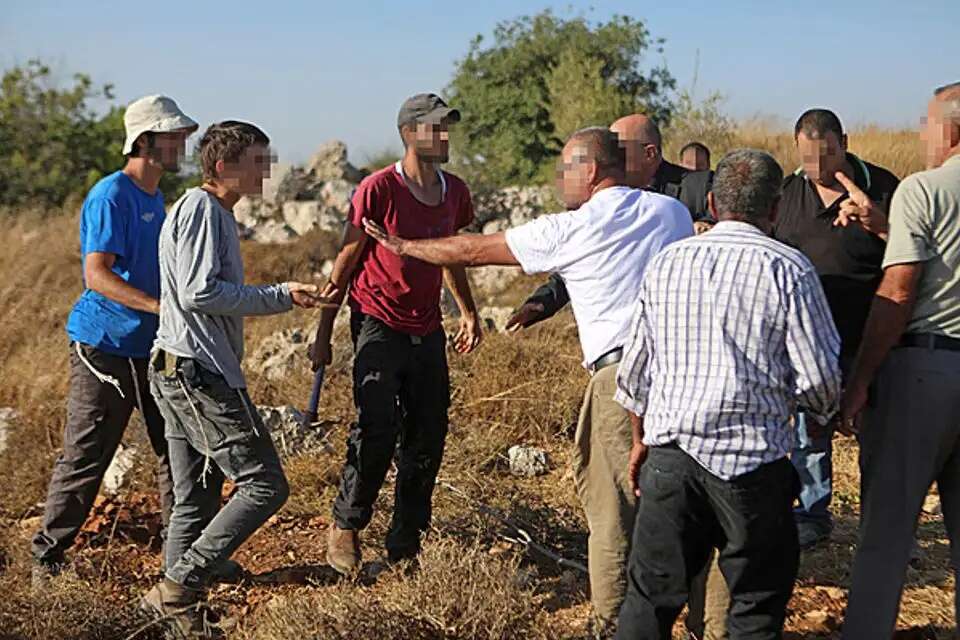
At the same time, Jewish rioters are interfering with the security forces' ability to carry out their duties and attacking Palestinians who have no involvement in terrorism. They are also tarnishing the entire settlement enterprise, even in the eyes of US Ambassador to Israel Mike Huckabee, a devoted and longstanding supporter of Jewish settlement in Judea and Samaria.
But even if the situation remains under control and there is no immediate fear that the boiling pot will overflow, the question remains whether preserving the status quo serves Israel's interests, and whether the time has come to decide the future of Judea and Samaria once and for all.
Israel has controlled Judea and Samaria since the 1967 Six-Day War, nearly six decades ago. Since Menachem Begin came to power in 1977, it has pursued a policy of Jewish settlement throughout the territory in the hope that one day it would become part of the State of Israel.
At the same time, Israel has refrained from annexing Judea and Samaria and instead preferred to proceed in the traditional Zionist manner, "dunam by dunam," while confronting and suppressing successive waves of terrorism, first during the First Intifada, the Palestinian uprising that began in 1987, and later during the Second Intifada, which erupted in 2000.
Calming the territory
Needless to say, every attempt to resolve the conflict through an Israeli withdrawal from part or all of Judea and Samaria has also failed. That was true of US President Donald Trump's "Peace to Prosperity" plan, commonly known as the "Deal of the Century"; of the Oslo Accords; and of the peace proposals advanced by former prime ministers Ehud Barak and Ehud Olmert. The Palestinians rejected all of them outright.
The gap between the sides' positions was therefore too wide to bridge then, just as it remains today. Israel can continue along the path it has followed for decades. Doing so, however, requires restraint and self-control, and above all ensuring that rioters and provocateurs in our own camp, who believe they can force a "shortcut" to their desired outcome, do not turn the world, and particularly the US, against us and ultimately bring the entire settlement enterprise crashing down.
But perhaps it is also possible to reach a decisive outcome. Not a decisive victory over terrorism, because there will always be someone prepared to raise a hand against us, but a political decision about the future of Judea and Samaria. Such a decision could also calm the situation on the ground. Most of the Palestinian population would, like their counterparts in eastern Jerusalem, eagerly accept Israeli citizenship if it were offered to them.
The bottom line is that there are no signs of a major conflagration in Judea and Samaria, which remains under tight IDF control. The question is whether, after the elections, whoever the next prime minister may be, there will be signs that Israel is finally prepared to bring a prolonged period of hesitation and equivocation to an end and make a historic decision about Judea and Samaria's future.
Such a decision may, in fact, be the very step capable of bringing the long-awaited quiet and stability to Judea and Samaria and to all its residents, Jews and Arabs alike.