During his last visit to the White House, Prime Minister Benjamin Netanyahu was surprised to learn that the United States and Iran are beginning direct negotiations to try to resolve the Iranian nuclear issue diplomatically. Since President Donald Trump entered the White House, Israel and the US have held discussions at diplomatic and military levels on the Iranian nuclear issue, and coordinated attack plans were prepared by the two militaries, which also conducted joint exercises. The Americans presented a real military threat by deploying strategic bombers near the Middle East, advancing an additional aircraft carrier, numerous aircraft, and defense systems. The Diplomatic-Security Cabinet instructed the IDF to prepare for an attack in June, and there was a sense that we were close to a combined strike on Iran.
Last night, The New York Times reported that President Trump ordered Prime Minister Netanyahu during his last visit to the White House not to attack Iranian nuclear facilities – an attack that, according to the newspaper, was planned for this coming May – and to wait for the completion of negotiations between the parties.
In 2015, during President Barack Obama's era, Iran signed the JCPOA nuclear agreement with the five world powers and Germany, under which Iran's uranium enrichment program was limited and monitored, and a significant portion of sanctions on Iran were lifted. In 2018, President Trump, during his first term, canceled the agreement and imposed heavy sanctions on Iran. Iran responded by reducing oversight and increasing enrichment, reaching a significant amount of uranium enriched to a 60% level (very close to weapons-grade), and in terms of enrichment, Iran is essentially a nuclear threshold state. Upon Trump's return to the White House, the administration began a combined military and diplomatic process to address the Iranian nuclear issue. The administration, which continues to strike the Houthis in Yemen and presents a significant military threat to Iran, including the deployment of B-2 and B-52 strategic bombers on Diego Garcia island, offered Iran to begin negotiations before being forced to proceed with strikes on nuclear facilities.
The threat bore fruit, and last Saturday, negotiations began between Iran and the US on the nuclear issue. On the Iranian side, Foreign Minister Abbas Araghchi is leading – a professional diplomat and one of the architects of the 2015 JCPOA nuclear agreement signed during the Obama era. On the American side, Steve Witkoff is leading, not a diplomat but a businessman whose experience comes from the business world. Araghchi has experience in all nuclear issues dating back to 2015, issues that Witkoff will have to learn during the negotiations. Witkoff has a busy portfolio of missions – the Ukraine war, the hostages in Gaza, the agreement with Saudi Arabia, and, of course, the Iranian nuclear issue – complex missions, each requiring professional and managerial attention. The imbalance between the team leaders is noticeable and works in favor of the Iranian side.
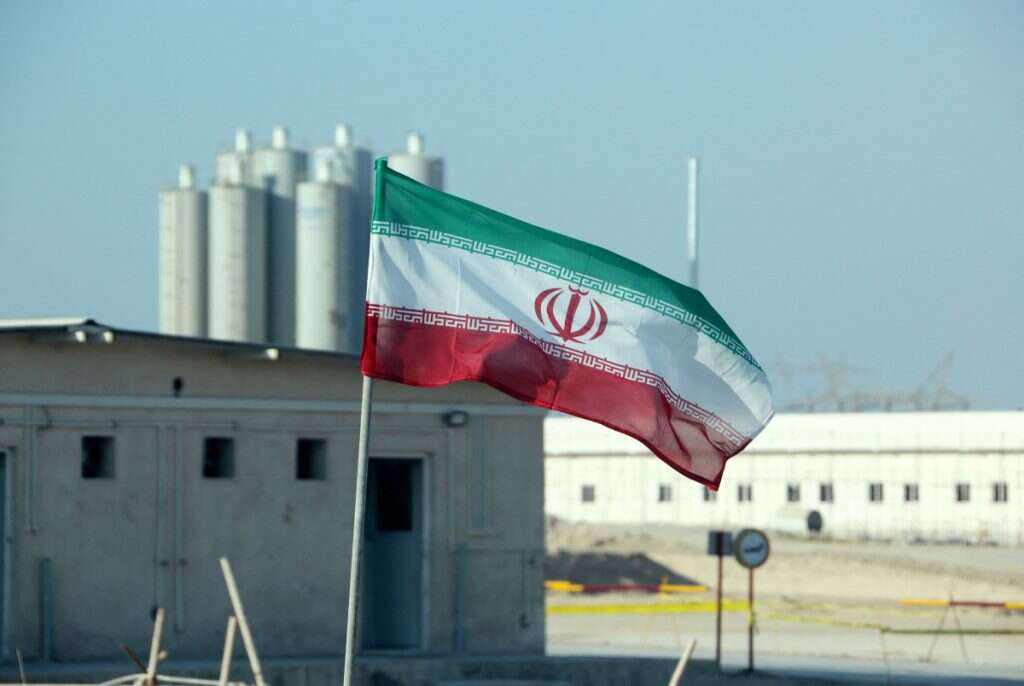
Iran enters these negotiations with its diplomatic and security situation at an all-time low. The Iranians, through great effort over many years, established a ring of fire around Israel with proxy forces that threatened the State of Israel and were supposed to deter it from attacking Iran and its nuclear facilities. In Operation Strength and Sword, the Iranian strategy collapsed. Hezbollah was severely hit, the Houthis are in a desperate state, the militias in Iraq are in a difficult condition, and Hamas is defeated in Gaza. Iran, for the first time, was forced to face Israel in a direct confrontation and failed. It turned out that Israel and coalition forces have excellent defense systems, while Iran suffered a severe attack from Israel that left it without air defense systems. Western superiority is clear, and Iranian military capability is very limited. The sanctions imposed on Iran have severely damaged its economy, and it is one step away from economic collapse.
In Israel, there is a conviction that Iran's difficult situation – remaining isolated militarily and diplomatically – represents a window of opportunity to strike the Iranian nuclear array. After months of preparations and discussions with US Central Command and Pentagon officials, the surprising announcement about the talks was received with disappointment in Jerusalem. An Israeli strike on Iran requires advance coordination with US Central Command, even if Israel intends to strike alone.
At the beginning of the talks, the American side's expectations from the conversations were unclear, and the only statements were "Iran will not be able to possess nuclear weapons." In recent days, Witkoff added several statements that did not add to the clarity and were criticized by various sources in the US. Israel has declared that it sees the Libyan model as the right goal, meaning supervised destruction of the entire Iranian nuclear project. In contrast, the Iranians are very clear and have declared that ballistic missile systems, as well as aid to resistance and terror elements, are off-limits. Regarding nuclear issues, they are willing to discuss the enrichment program but insist that enrichment for civilian needs must be allowed. The US must clarify its goals and set clear objectives for the negotiations. The objectives should be broad and include the enrichment system, the weapons group within which they develop military capability, the missile industry, and finally, the funding and assistance to terrorist elements in the Middle East. All issues need to be discussed, and each affects the other. Only a comprehensive plan that touches on all issues will be meaningful and can stop the Iranian nuclear program.
Last night's publication is part of the negotiations and serves to clarify to the Iranians that there is a real attack plan that Trump stopped at the last moment to conduct negotiations. Currently, two options are supposedly on the table – negotiations or extensive attacks on nuclear facilities. Failure of the talks, if it happens, does not necessarily require an extensive attack on nuclear facilities. An Israeli or American-Israeli focused but limited attack on a series of Iranian military targets could likely signal to Iran that the negotiating table is preferable to entering a war that would lead to an extensive attack on nuclear facilities. It is possible that negotiations under fire would be more effective and lead to the desired outcome. Israel needs to be prepared for such a possibility, and the IDF must be ready and prepared to attack Iran on short notice.