After the initial euphoria over the return of 20 living hostages and the outrage at Hamas for handing over only four deceased hostages, talks on the next steps to end the war in Gaza are advancing.
Before moving to the next stage of implementing President Donald Trump's 20-point plan, ending the first stage is required, namely the return of all deceased hostages, 24 in total. Hamas already said last week that it would have difficulty locating all the deceased, some of which were buried at sites destroyed in strikes, and because several units and commanders who knew the locations were killed.
The summary of last week's talks in Sharm el-Sheikh was that Hamas would deliver nearly 20 deceased hostages within the allotted time, meaning by Monday; the remaining would be located by international teams aided by engineering equipment.
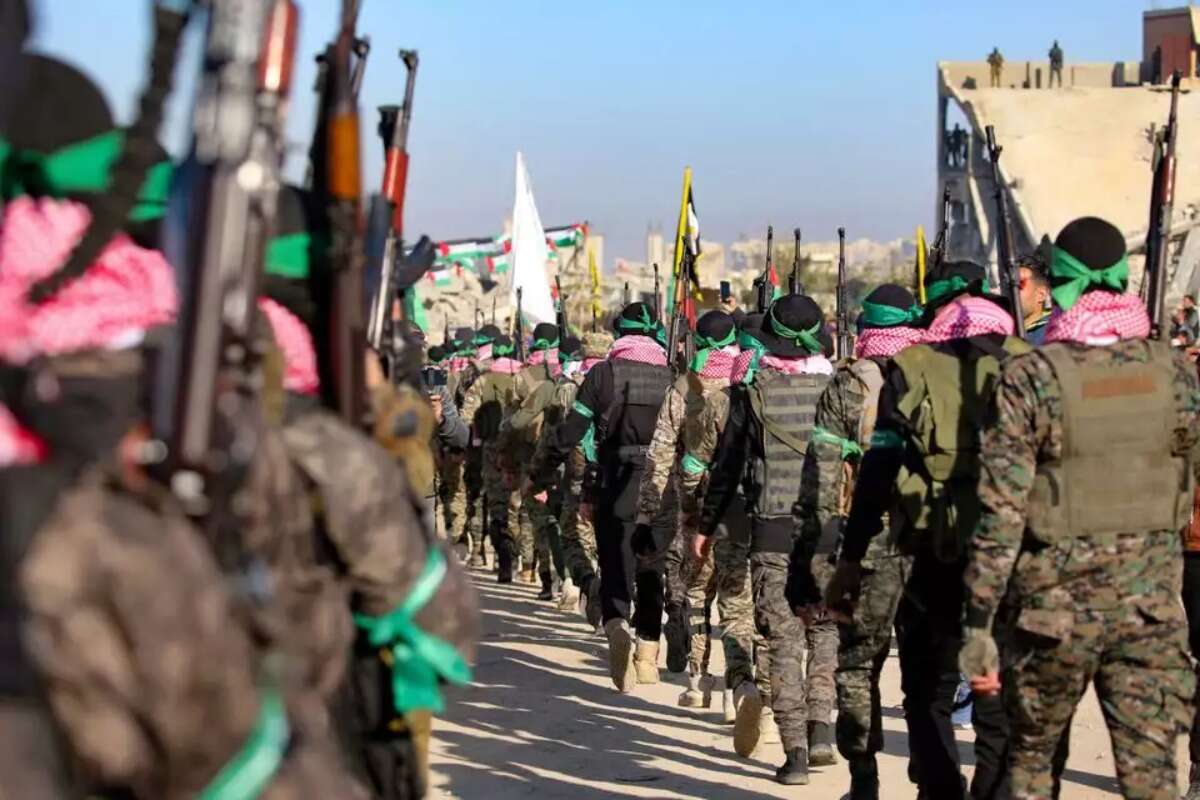
Hamas did not meet that agreement, and delivered only four deceased hostages. Its representatives told the mediators there are logistical difficulties, but Israeli officials say this is an excuse and that, based on the information Israel holds, Hamas is keeping the bodies and can hand them over. The Israeli message is that until this phase is completed and all bodies are delivered, there will be no further progress. That said, if it becomes clear that a few truly cannot be found — and there is such a concern — searches may continue in parallel.
The remainder of the plan's implementation can be divided into two stages: the practical completion of hostilities, and the post-conflict stage, the start of long-term rehabilitation in Gaza as well as the regional political programs, including expanded normalization and the Israeli–Palestinian conflict. These later issues are discussed but not detailed beyond what appears in Trump's plan.
The coming stage will be the toughest of all. Trump's plan mandates, in at least two of its points, the disarmament of the Strip. The first point states: Gaza will be a demilitarized, terror-free zone that does not pose a threat to its neighbors. Point 13 says all military, terrorist and offensive infrastructure, including tunnels and weapons-manufacturing facilities, will be destroyed and not rebuilt. There will be a process of demilitarizing Gaza under the supervision of independent inspectors, which will include the removal of weapons through an agreed dismantling process.

This involves not only the handing over of weapons but also the demolition of terrorist tunnels and the cessation of any actions that have hostile military significance against Israel. At the same time, a civilian and security mechanism is supposed to be created to assume control of the Strip, but there's the chicken-and-egg dilemma: most potential participants will not commit forces to areas under Hamas control while it remains armed and dangerous. So who will disarm Hamas? There is no clear answer to that question.
Implementation of these clauses is a condition for further steps, including continued Israeli withdrawal. But given statements by Hamas leaders and the organization's actions on the ground, including fights with rival militias, the resumption of extortion or, more accurately, protection rackets imposed on Gaza merchants, and Hamas's need to show some achievement, all of these will make implementation extremely difficult.
The expectation is that while dragging out talks and negotiations, Hamas will work to strengthen its control in the areas it still holds, less than half of the Strip, and within that will continue recruiting and training terrorists and attempting to rearm.
It is not far-fetched to expect Hamas to also initiate direct incidents against the IDF to test them. Israel, for its part, has declared its determination to insist on the return of all the deceased hostages and on adherence to the deal, and will likely be tested on whether it will insist on those conditions. The mediators are supposed to intervene here and try to complete stage A, but given their hostility to Israel, only American involvement will likely allow progress.