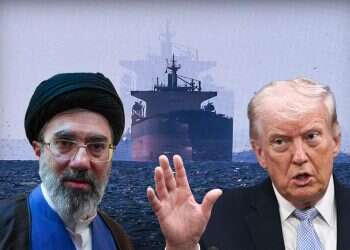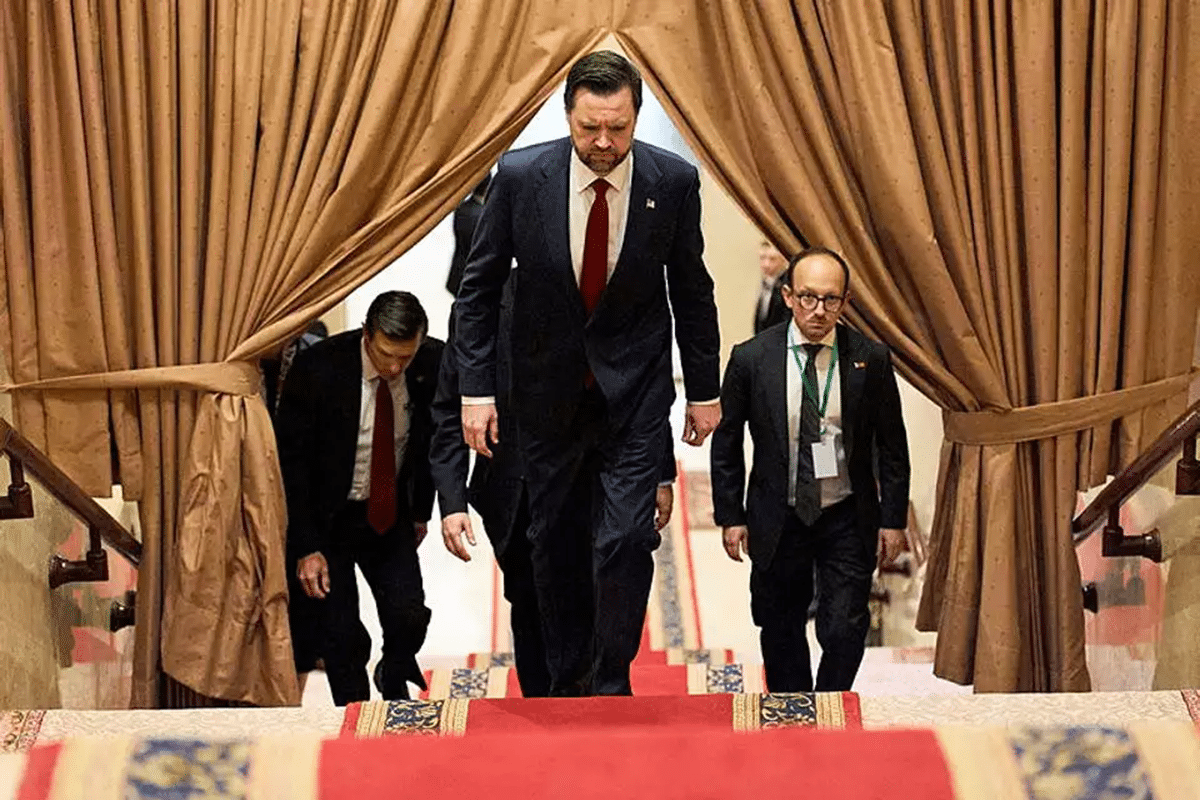
Vice President JD Vance called Israel's ambassador to Washington, Dr. Yechiel Leiter, on Sunday and briefed him on the course of the talks with Iran. A source familiar with the details told Israel Hayom that President Donald Trump remains committed to his principles regarding Iran – including absolute opposition to uranium enrichment and a demand that already-enriched material be removed from the country.
Trump weighs resuming strikes on Iran
Peace talks held in Islamabad, Pakistan, under the leadership of Vice President Vance, collapsed after Tehran refused to relinquish its nuclear program. Following that failure, Trump and his senior advisers are, according to the Wall Street Journal, examining the resumption of limited military strikes on Iran alongside a naval blockade of the Strait of Hormuz.
In an interview with Fox News, Trump hinted that Iranian civilian infrastructure – desalination facilities and power plants – could become targets. The American demands for any future negotiations include dismantling uranium enrichment facilities, the full opening of the Strait of Hormuz, and an end to Iran's funding of Hezbollah and the Houthis.
The naval blockade is viewed in Washington as "the least bad option." Roughly half of Iran's revenues come from oil, so strangling its exports could destabilize the economy without any ground intervention. Experts compare the strategy to the one Trump employed against Venezuela. On the other hand, a massive strike could deplete American ammunition stockpiles and draw criticism from the president's own voter base. The White House has refused to disclose which options are under consideration and stresses that "all options are on the table."
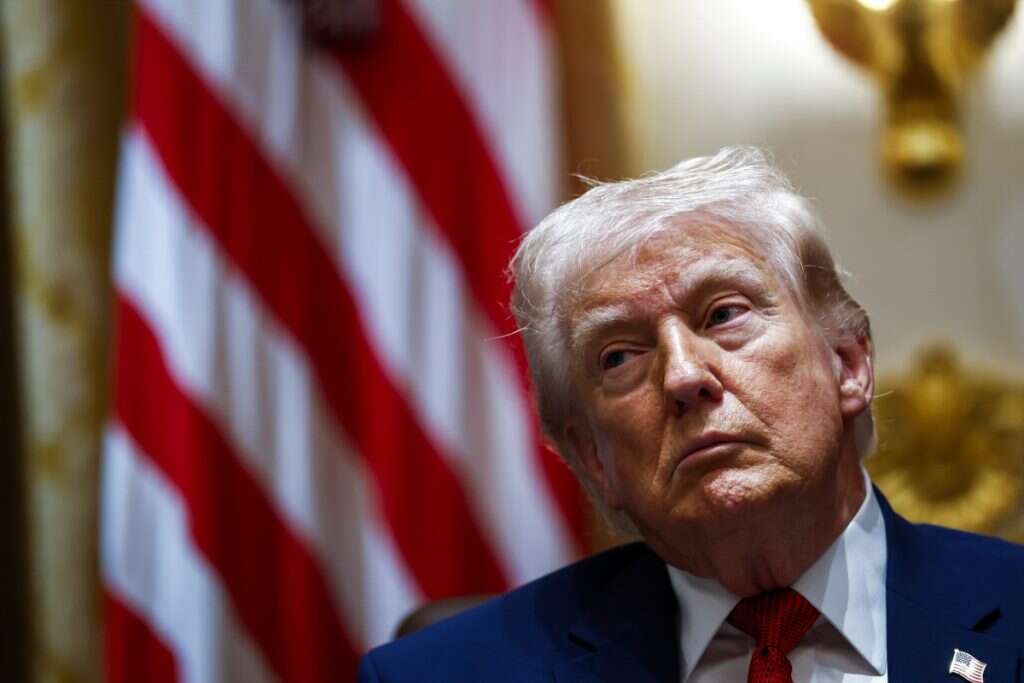
The Iranian miscalculation came at a steep price
After 21 hours of intensive talks in Islamabad, Vice President Vance returned to Washington without a deal. But an American official who disclosed details to the Washington Post noted that the diplomatic failure nonetheless produced a critical insight: the Trump administration believes it has identified the Iranian regime's pressure point.
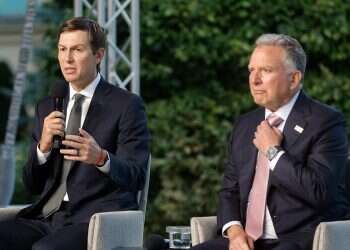
According to the report, Vance, Steve Witkoff, and Jared Kushner managed to develop close ties with the Iranian representatives, the highest-level direct negotiations between the two countries in 47 years.
Iran's central miscalculation: Tehran failed to correctly gauge American resolve on the nuclear issue. The Iranians expected a compromise but ran into an absolute demand to dismantle all enrichment facilities and transfer the material to the United States – even for civilian purposes. Vance also concluded that Tehran believes it holds far more leverage than it actually does.
Now, armed with that understanding, the administration intends to "put them to the test" – and the naval blockade of the Strait of Hormuz is the first step, designed to force Iran back to the table and to capitulate to all American demands.