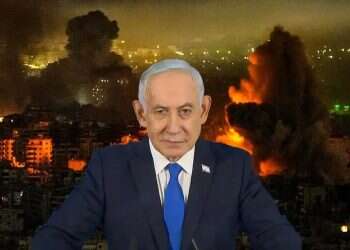
Following the failure of the Islamabad summit, there are signs that another meeting between Washington and Tehran representatives may be possible. If it does take place, that will not mean the gaps have narrowed, but rather that both sides are looking for a way to extend the ceasefire without immediately returning to a broad military confrontation. US President Donald Trump is seeking an outcome he can sell as a clear American victory, while the Islamic Republic is trying to avoid any arrangement that would look like surrender.
For Trump, the problem is not only Iran but also the political picture at home. After a round of fighting and a show of force, he cannot settle for a vague arrangement. He needs to show that the pressure worked, that the Iranians moved, and that Washington did not back down. That is why the very fact that Vice President JD Vance led the contacts matters politically. If the more cautious voice in the administration also returns claiming that Iran was the side that refused to compromise, Trump can argue that he seriously exhausted the diplomatic track before intensifying pressure.
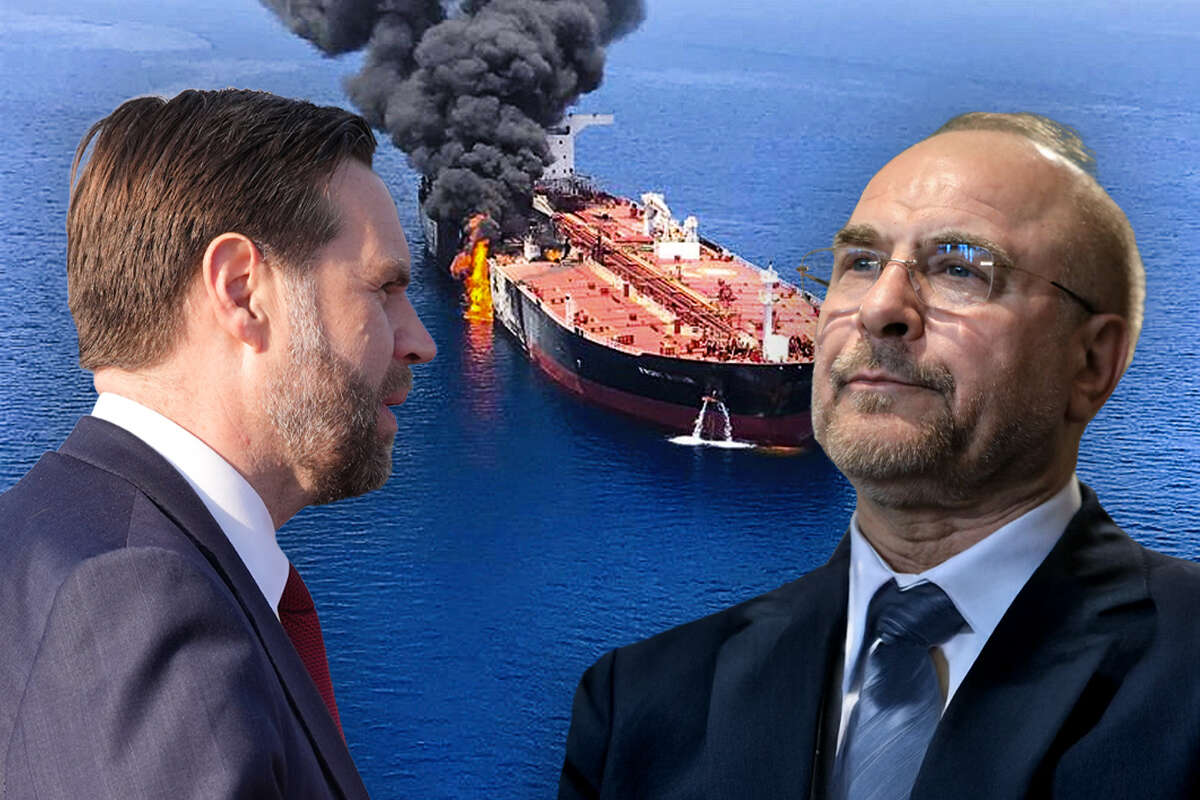
On the Iranian side, the dilemma is the opposite. Tehran does not want to return to a broad war, but it is also unwilling to appear to have surrendered to a US diktat. Iranian officials are also making clear that they will not agree to hand Washington, after the war, an achievement it failed to secure during the diplomatic negotiations. That is why Tehran is leaving the door open to continued talks while playing for time, testing the limits of American flexibility and trying to preserve bargaining chips in its hands.
At the center of the dispute remains the nuclear issue. The American demand concerns both the fate of the uranium enriched to 60%, and the remaining 20% stockpile that, according to assessments, is still buried beneath the ruins of Iranian nuclear facilities, as well as the question of future enrichment on Iranian soil. Even in the Geneva talks that preceded the war, the Iranians expressed partial willingness to dilute the enriched material, but refused to remove it from Iran. This time, according to reports, Washington proposed a 20-year moratorium on enrichment, apparently dropping its demand that Iran permanently commit not to enrich on its own territory. Tehran, for its part, is apparently prepared for a shorter freeze.

For Trump, who repeatedly says Iran will not have a nuclear weapon, it will be difficult to present a strategic achievement without a clear answer on the 60% stockpile and the future of enrichment in Iran. For Iran, a full and rapid surrender of the enriched stockpile, along with agreement to halt enrichment for a long period, even if its theoretical right to do so is formally preserved, could look like humiliation. That is why, precisely now, as the contacts continue, the argument is becoming harder: fewer slogans, more decisions.
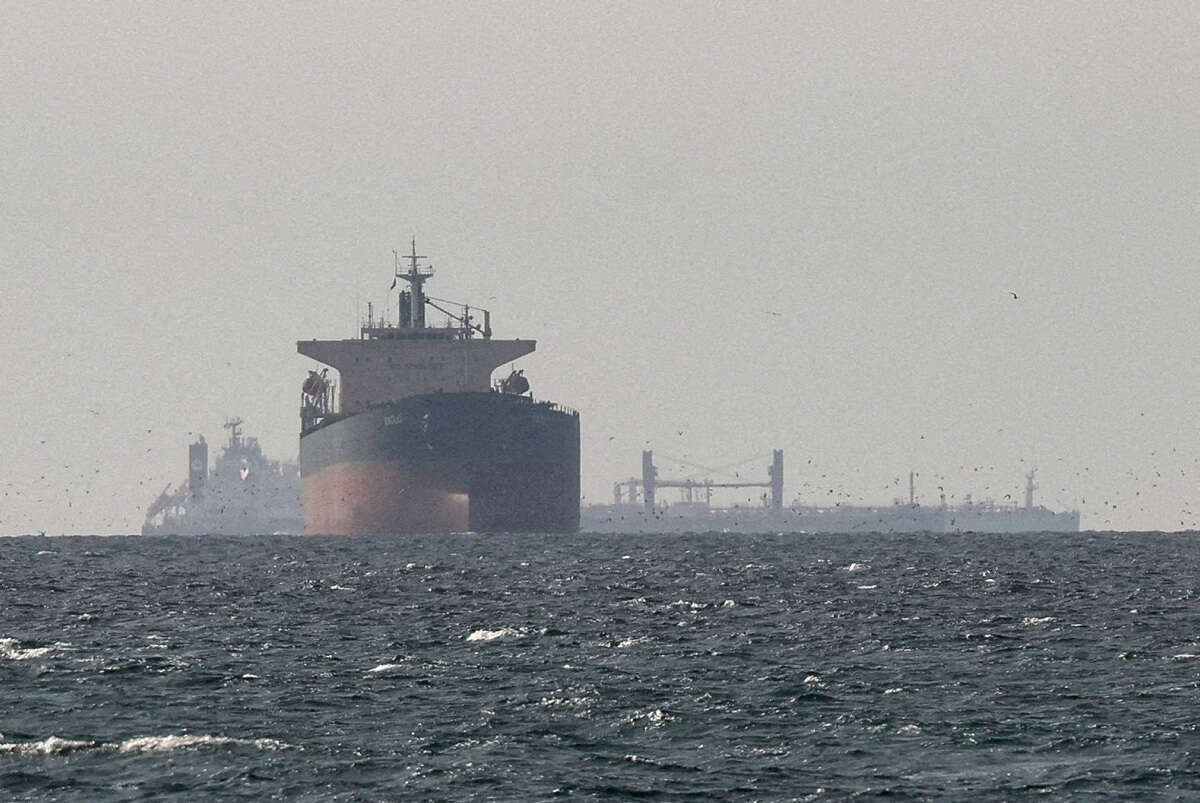
Against that backdrop, the American move to a naval blockade after the talks must also be understood. This is a step meant to address the issue of freedom of navigation in the Strait of Hormuz, which so far has become a central Iranian pressure lever. From Washington's perspective, this is an attempt to deprive Iran of that lever and make clear that time is not working in its favor, neither in Hormuz nor on the nuclear issue. But it is a dangerous move: it raises the price of error, hardens positions and could reinforce the feeling in Tehran that Washington is using diplomacy to accumulate legitimacy for further coercion.
From Israel's perspective, this is precisely the test. The debate must not be reduced to reopening Hormuz or to temporary maritime calm. The real question is whether any deal, if reached, will over time damage Iran's ability to break out to a nuclear weapon. If, at the end of the process, the result is a formula that produces partial calm while leaving Iran with a dangerous stockpile and a rapid recovery capability, that will be only a limited achievement. For that reason, Israel must coordinate closely with Washington, but also beware of a situation in which the American desire to stabilize the region is translated into pressure on Jerusalem to show restraint in other fronts.
Moment of truth
The bottom line is simple: the negotiations are not dead, but they have entered the real phase. Trump is looking for a victory image. Iran is fighting for time and for its bargaining assets. As long as there is no clear answer to the question of how long the freeze would last and what will happen to the stockpile of uranium enriched to 60%, continued dialogue does not guarantee a breakthrough. It only postpones the moment of decision.
Col. (ret.) Eldad Shavit is a senior researcher at the Institute for National Security Studies. He previously held senior positions in the IDF Military Intelligence Directorate and the Mossad, where he served as head of the Research Division.
Sima Shine is a senior researcher at the Institute for National Security Studies and former head of the Mossad's Research Division.