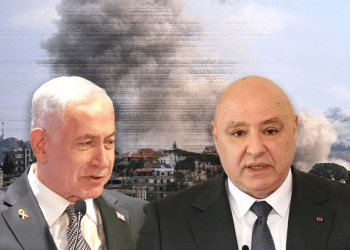
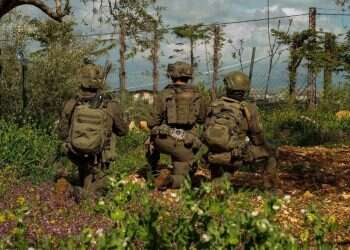
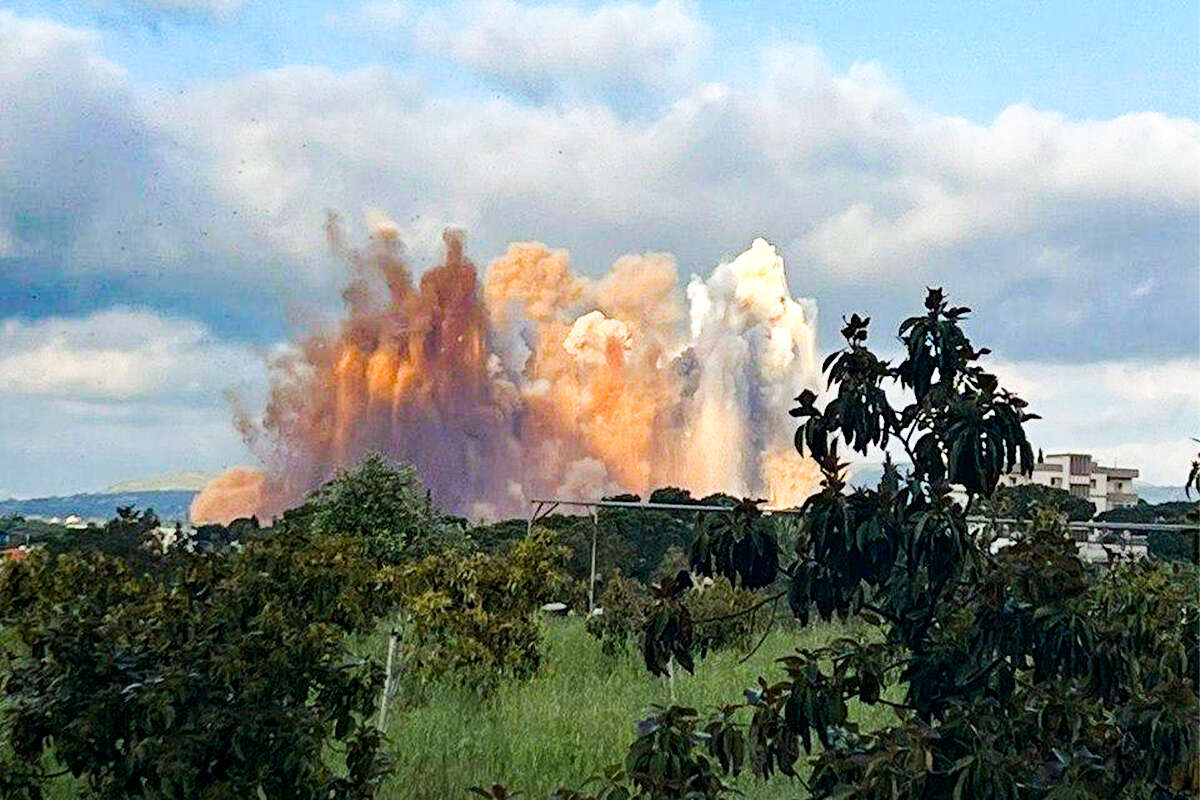
The massive explosion of Hezbollah tunnels in southern Lebanon, alongside the continued launch of explosive-laden drones at IDF, highlights the gap between the declaration of a "ceasefire" and the reality on the ground. While relative quiet prevails in most of Lebanon and Israel, fighting continues in southern Lebanon and in the communities along northern Israel, albeit at lower intensity.
At the same time, the Israeli Air Force struck a target deep in the Beqaa Valley the previous day, in an area that had not been attacked since the start of the diplomatic contacts. However, Israel's response to Hezbollah violations remains measured, in part due to an explicit US request conveyed as part of talks between Washington and Jerusalem, including between Prime Minister Benjamin Netanyahu and US President Donald Trump.
The US request is based on two central considerations. The first is the promotion of direct talks between Israel and Lebanon, which are expected to begin soon after meetings between the countries' ambassadors in the US. Washington wants to strengthen Lebanon's leadership, President Michel Aoun and Prime Minister Nawaf Salam, against Hezbollah, which is trying to sabotage the move.
The second consideration concerns Iran. In Washington, officials fear that Israeli escalation would undermine the ceasefire and assist efforts by the Islamic Revolutionary Guard Corps to open an additional front, with the aim of making matters more difficult for Israel and the US in the regional arena.
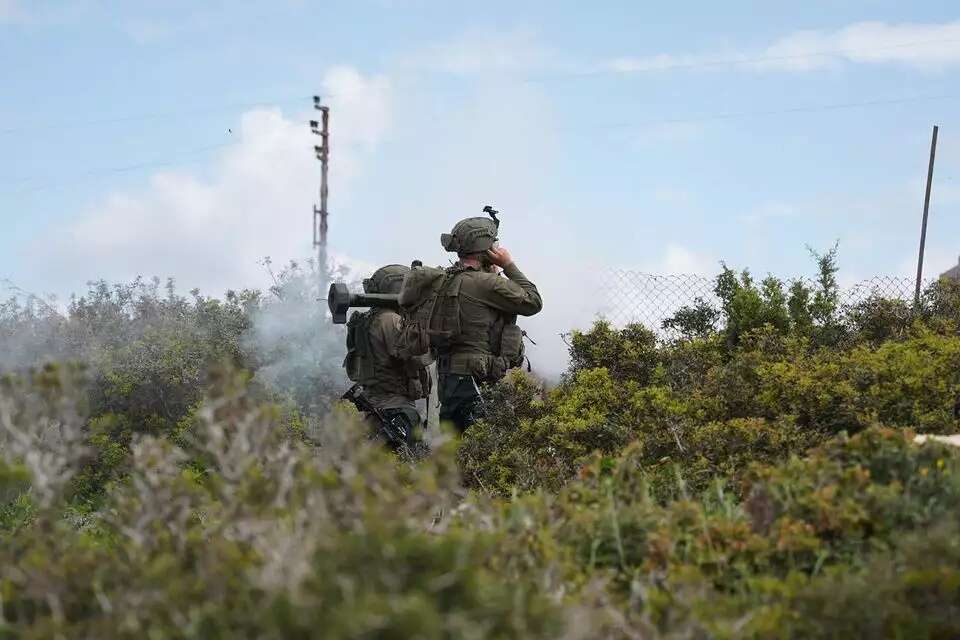
Israel has set a clear goal: a diplomatic agreement that would ensure Hezbollah is pushed back beyond the Litani River and begin the process of disarming the terrorist organization.
According to the US approach, the move should take place within the framework of an agreement with international guarantees, enabling the Lebanese government to act against Hezbollah. Meanwhile, European Commission President Ursula von der Leyen voiced support for the Lebanese government and promised assistance.
For now, Jerusalem is being forced to balance US demands with the growing pressure from northern Israeli communities and the ongoing attacks on IDF troops. On the ground, the ceasefire remains more fragile than ever.