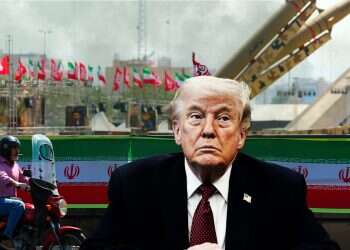
The Trump pendulum continued to swing wildly over the holiday between renewed war with Iran and a deal with it. Trump himself, with his endless chatter, gave expression to that volatility, leaving all the participants waiting tensely for his decision. On Friday night, the needle appeared to be moving closer to a deal, following shuttle diplomacy by mediators from Pakistan and amid pressure from the president's associates, who make no secret of their reservations about renewing the campaign.
The details of the emerging agreement have not yet been published. The world is focused mainly on the future of shipping through the Strait of Hormuz, but in Israel the main concern is the nuclear issue. Several reports over the weekend claimed that while the shipping issue would be settled from the outset, the nuclear issue would be discussed later. That is a bad recipe for serious trouble: Iran is a better negotiator than the US, and its patience is far greater than that of Trump and his team.
If it emerges from the campaign while retaining significant nuclear capabilities, certainly under an extremist regime that has survived, that would be a resounding and dangerous failure, one that could also pave the way for Iran to become a nuclear power in the future.

Readiness
Israel is still maintaining readiness for the possibility that the talks will collapse and the fighting will resume, but the prevailing assessment is that the chances of that happening, which looked highly significant in the middle of last week, have diminished considerably. That state of alert, which also peaked in the middle of the week, eased somewhat over the holiday, but will be maintained until Trump strikes the gong.
If reports in the Arab media are to be believed, that could happen as early as this week, allowing Trump to turn his full attention to other matters, chief among them the World Cup in North America, which begins in 18 days. Trump did say he was not bound by any deadline, but it is hard to see him finding a suitable pretext to renew the fighting in the future.

This state of affairs requires Israel to fight now over the content of the agreement. If at the outset it was aiming at four main goals, the fall of the regime, the nuclear program, the missile program and assistance to proxies, it must now focus its efforts on the nuclear issue, which was also the pretext for launching the campaign, both the current one and the previous one.
The minimum that would count as an achievement is removing all enriched uranium from Iran and keeping it away from enrichment for many years. That may look like a copy-paste version of Barack Obama's 2015 nuclear deal, but it seems that Trump and Prime Minister Benjamin Netanyahu, who led the withdrawal from that deal, will now struggle to achieve much more than that.
Another important issue: Lebanon
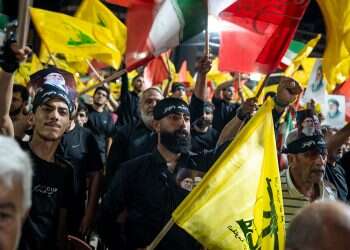
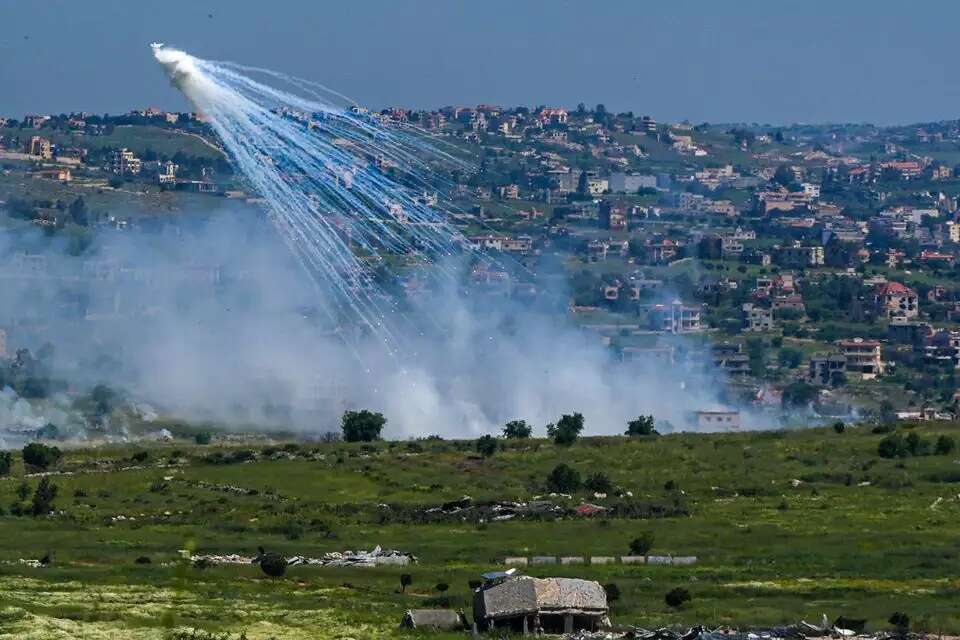
Another issue that requires attention is Lebanon. Iran has already made clear that it is demanding that the war in Lebanon also end, and that the Israel Defense Forces withdraw from southern Lebanon. Israel opposes this and wants to preserve full freedom of action in its war against Hezbollah. Trump, who wants an agreement that will allow him to remove Iran from his agenda, may demand that Israel give way. That would be very bad news for the communities of the north, and for Lebanon, and very good news for Hezbollah, which would be able to accelerate its efforts to rebuild.
When he was in the opposition, Netanyahu said that an Israeli prime minister is tested on one thing and one thing only: his ability to say no to the president of the US. Trump's remarks last week that "Netanyahu will do whatever I tell him" cast Netanyahu's old statement in a ridiculous light, and the burden of proof is now on him. If Iran emerges with its nuclear program intact, and if Hezbollah receives immunity, it will become finally clear that Israel's security has been taken out of its own hands.
Meanwhile, instead of uniting ranks in the face of the enormous challenges confronting Israel, Netanyahu is busy deepening internal polarization. The nauseating video he published on the eve of the holiday was another stage in the deliberate pitting of leading citizens against one another, while still echoing in the background are the remarks by Minister May Golan about the dogs married by Rabbi Gilad Kariv, referring to Reform Jews, who make up most of American Jewry. Among those who condemned the minister was Israel's ambassador in Washington, Yechiel Leiter, who only a few days earlier had called the Jewish organization J Street "a cancer."
And into this endless chain of recriminations came the damage from National Security Minister Itamar Ben-Gvir's highly publicized visit to the detainees from the latest flotilla, the deepening damage caused by the continued preoccupation with the law exempting ultra-Orthodox men from military service, and the legislative efforts against the judiciary and the media. This frenzy, which is expected to intensify as the primaries and elections draw closer, threatens Israel no less than the many fronts it has struggled to close for nearly 1,000 days.