My friend noted Sunday, rightly, that the Israeli media moves on too quickly from soldiers killed in Lebanon. They deserve more, and so do we: to linger over the names, the faces, the stories, and to ask questions. Because a moment comes when enough is enough.
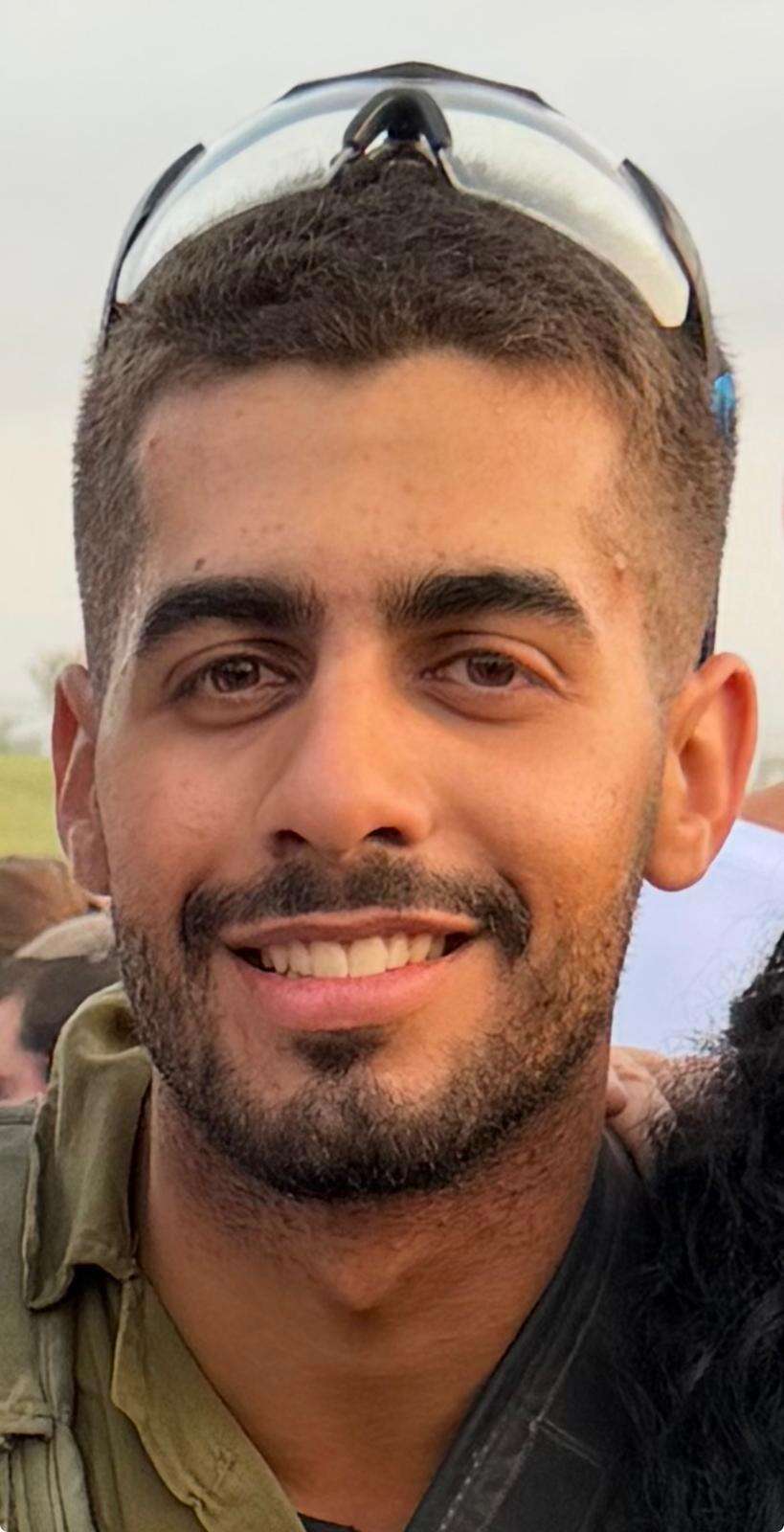
Nehoray Leizer of Eilat is the latest soldier killed in Lebanon, as of now. Those two words, "as of now," send a chill when they are written, but they are grounded in reality. Given the current state of affairs in Lebanon, it is only a matter of time, perhaps even a short one, before Nehoray's handsome face is replaced by the handsome face of another fine young man who had barely begun his life, as Nehorai's sister said at his funeral.
Combat soldiers are meant to fight, and an army is meant to protect and to stand at the front while civilians remain behind. There is no dispute about that, and there must not be. But soldiers are not an offering, or a sacrifice, or a necessary evil. They are a tool in the state's toolbox, one that must be used wisely in pursuit of clear objectives, because beyond it lies a heavy price: human life.
The way the Israel Defense Forces is now being used in Lebanon is devoid of logic. Used, not acting, because the IDF is not an autonomous body. It receives instructions from the government and carries them out. That is how democracy works. In Israel, the government, particularly those directly responsible, the prime minister and the defense minister, may try to evade responsibility and dump the file on the military, but the order of things is that the government decides, and only the government. The military is an advisory body. The government may accept its recommendations or reject them as it sees fit.
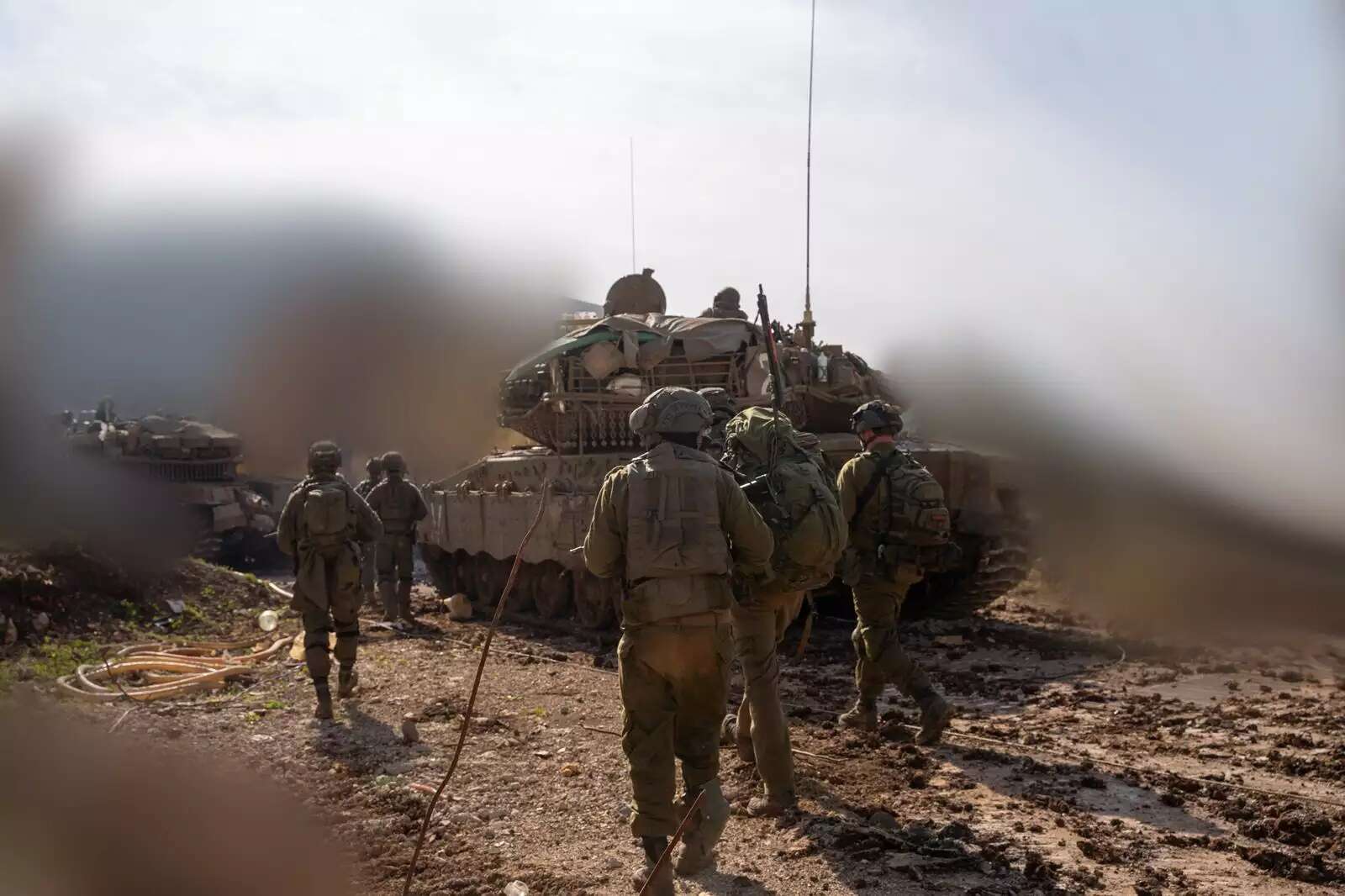
For many long weeks, the IDF has been crying out that the situation in Lebanon is intolerable and impossible. That it is impossible to protect the communities and residents of northern Israel this way, impossible to protect its soldiers this way, and impossible to strike Hezbollah this way. That there is not, and will not be, any way to wage war with both hands tied behind one's back: either you fight or you do not. And what the IDF is doing now is mainly not fighting, as it is forced to act in violation of every principle of warfare.
Over these weeks, the government, again, particularly those same two officials directly responsible, has been presented with quite a few plans and requests to act differently. For example, to resume the assassinations of Hezbollah's senior leadership in Lebanon. For example, to resume strikes in Dahiyeh, the Hezbollah stronghold in Beirut's southern suburbs. For example, to carry out raids north of the Litani River. For example, to expand the scope and frequency of attacks across Lebanon. Apart from one case, the assassination three weeks ago of Ahmad Balout, a commander in Hezbollah's Radwan Force, all the requests were rejected.
The person responsible for Israel's restraint is US President Donald Trump, who, as part of the ceasefire in Iran, informed Israel that there was also a ceasefire in Lebanon, and last week announced that this "ceasefire" would be extended by another 45 days. But what is happening on the ground is unceasing fire: Hezbollah is exploiting the IDF presence in southern Lebanon, which it views as a violation of Lebanese sovereignty, as a pretext for attacks. To avoid angering the Americans, it is focusing those attacks on IDF forces rather than civilians, but the result is the same: it is taking advantage of Israel's tied hands in order to hurt it, embarrass it and trap it in an impossible situation.

Until a few days ago, Hezbollah focused its activity on IDF forces in southern Lebanon. In recent days, it has also been attacking outposts south of the border, in order to further undermine the sense of security among residents of nearby communities. This creates an intolerable situation in which the fighting is, in practice, taking place over the heads of northern residents. It was enough to look yesterday at high school students in Kiryat Shmona "studying" under their desks during an air raid siren to understand that something here is fundamentally broken.
The IDF and the heads of the local authorities are being forced to deal with this reality on their own. The Israeli government, particularly those same two officials directly responsible, is present and absent at once. Apart from Minister Yitzhak Wasserlauf, no minister is truly interested in the north. They do not come, they do not meet people, and they barely provide assistance. Of all the failures of the war, this may be the gravest, because nothing, other than the desire to flee responsibility, prevents the government from embracing and supporting the north within the limits imposed by the situation.
When Netanyahu was in the opposition, he argued that the one thing by which an Israeli prime minister is judged is his ability to say "no" to the president of the United States. Well, this is the moment when he must say "no," because the "yes" he has been saying for the past month and a half is abandoning the north, its residents and the IDF soldiers. And if that "yes" is joined by an agreement with Iran that also includes Lebanon, as Iran is demanding, the meaning will be that the IDF will be required to withdraw from southern Lebanon, Hezbollah will return to the villages, gradually rebuild, and eventually renew the threat to the north.
When Israel launched its second war in Iran in late February, it imagined that the regime in Tehran would fall, and that afterward everything would fall into place: the nuclear program would disappear, the missiles would disappear, and the proxies would disappear. That did not happen, the result of a resounding strategic failure. More worryingly, the current situation is that Iran, despite being hit hard, actually emerged stronger from the war, while Israel, and the US as well, emerged weaker.
That is true in Iran, and it is true in Lebanon as well. On the eve of the war in Iran, Hezbollah was completely restrained and afraid to act, while the IDF operated freely throughout Lebanon, including in Beirut. Now Hezbollah is unleashed and the IDF is constrained, and it may be constrained even further in the future. And when that is joined by a growing list of faces and names of fallen soldiers, the only thing to say to the government, particularly those same two officials directly responsible, is to stop and make a decision: either fight properly, or stop. This cannot continue.