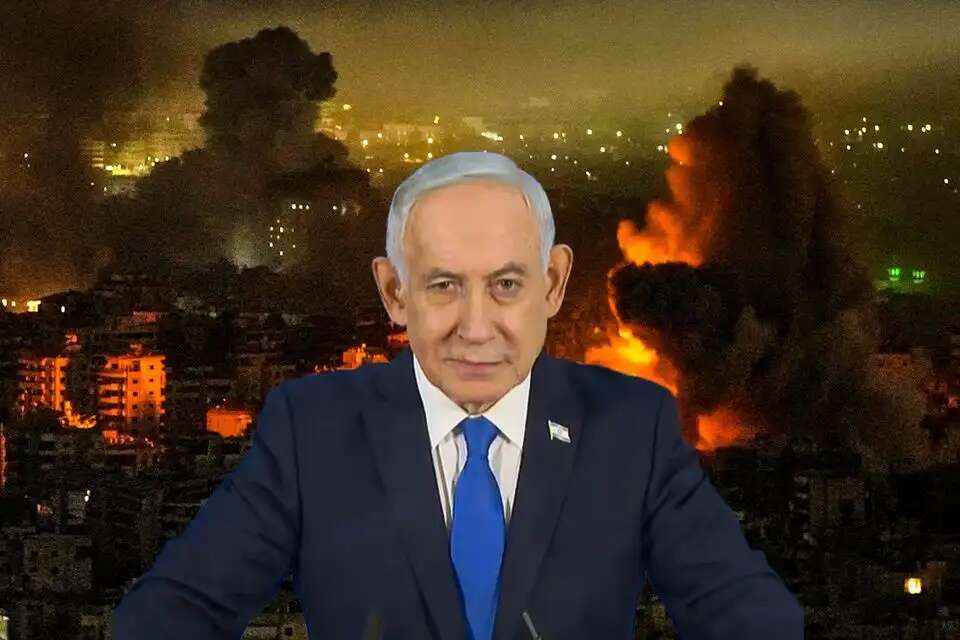
The US and Iran appear increasingly close to a deal. From US President Donald Trump's perspective, it is the lesser evil in a situation where there were no good options. From Israel's perspective, it is a move that strengthens the very regime Israel set out to topple three months ago. More than that, this deal exposes the collapse of an entire doctrine on which Prime Minister Benjamin Netanyahu created and hinged upon for decades.
For years, Netanyahu built his political identity around the image of "Mr. Iran," the leader who argued that only pressure, deterrence and force could stop the regime in Tehran. That approach rested on a clear assumption: growing pressure, greater military power and tighter coordination between Israel and the US would ultimately force Iran to surrender, or destabilize the regime itself.
In recent months, Netanyahu received everything he asked for: active and unprecedented American partnership, a joint military campaign in Operation Rising Lion that included bombing by B-2 aircraft, and ultimately a joint, long and complex war against Iran with the full force of the US military.

The goals of the war
The war had three main goals: the nuclear program, missiles and the regime. One can get into fine distinctions, and for anyone seeking to evade the results of the campaign, that is certainly convenient, but these were its essentials. More than that, Netanyahu's "Iran" doctrine rested on three basic assumptions: close military cooperation with the US could fundamentally change Iran and even threaten the regime's very survival; military means alone could produce political change in Tehran; and undermining Iran would open the door to normalization with the Arab world and become the card that would solve Israel's central security challenges, first and foremost the Palestinian issue.
A long series of impressive tactical achievements, including the substantial erosion of Iran's enrichment project, successful targeted eliminations and strikes on Iran's military industry, ultimately led to a resounding strategic failure. The regime in Iran did not fall. It did not surrender, and even if additional attacks damage critical infrastructure, that does not guarantee its collapse.
More than that, the actual result is a more radical and more dangerous Iran, a country that even Washington is now hesitating to attack again militarily. On paper, the regime may be weaker after the blows it sustained, but in reality it is far more resilient.
Exploiting an opportunity
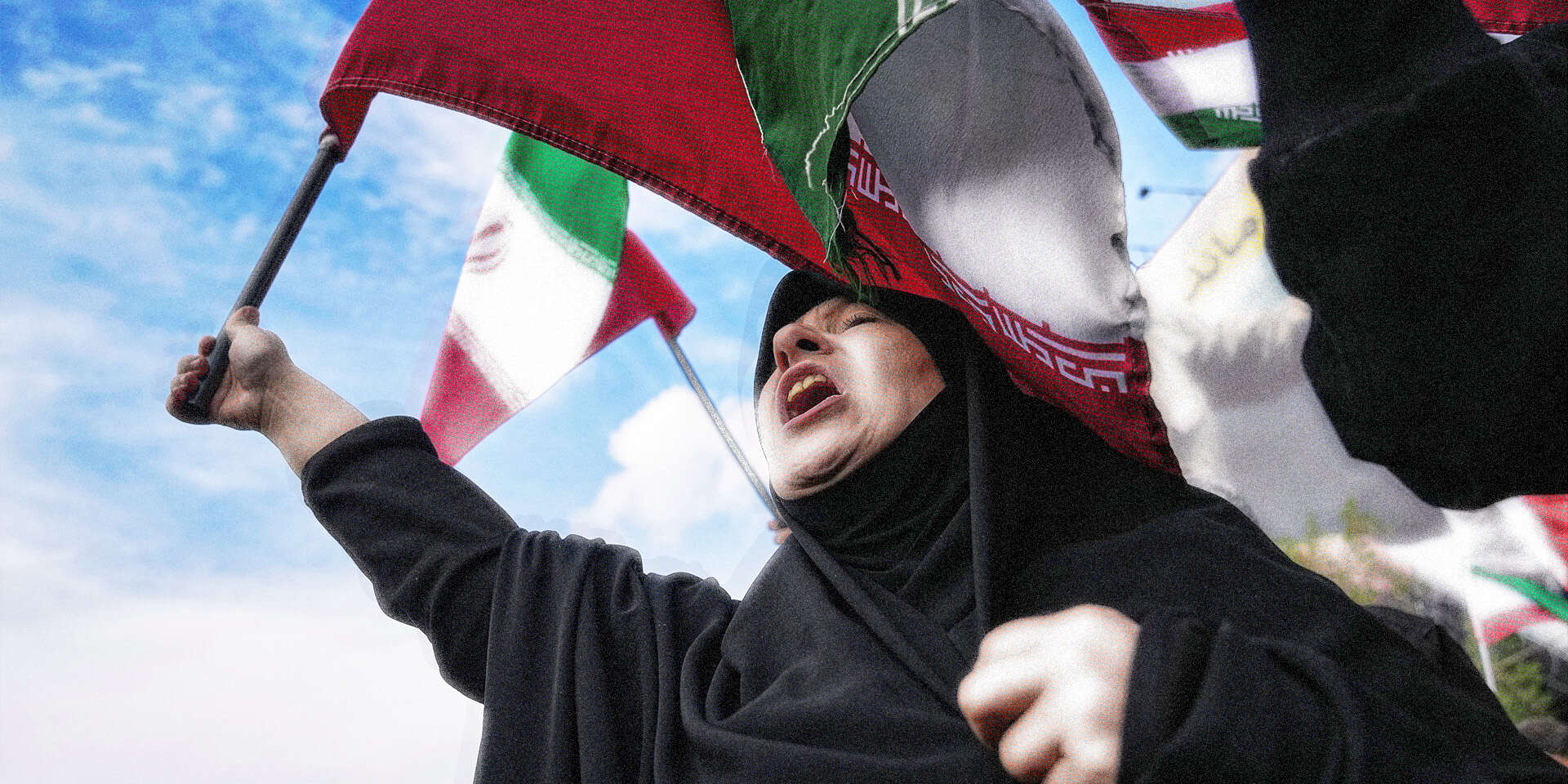
This war was born out of the exploitation of an opportunity. At the end of 2025, one of the most severe waves of protest since the Iranian Revolution broke out in Iran, against the backdrop of the rial's collapse, inflation of nearly 50% and a deep crisis in every area of life in the country. Supreme Leader Ali Khamenei, 86 and ill, was already on his way out. In February, Trump appeared to have been persuaded that an air bombing campaign would lead to an internal uprising that would topple the regime.
At the heart of this perception was a flawed analogy: the comparison between Iran and Venezuela. Trump, still riding the wave of success from the ouster of Nicolás Maduro in early January, believed the regime in Tehran was also a fragile system, centered around a single leader and quickly susceptible to destabilization under sufficient pressure.
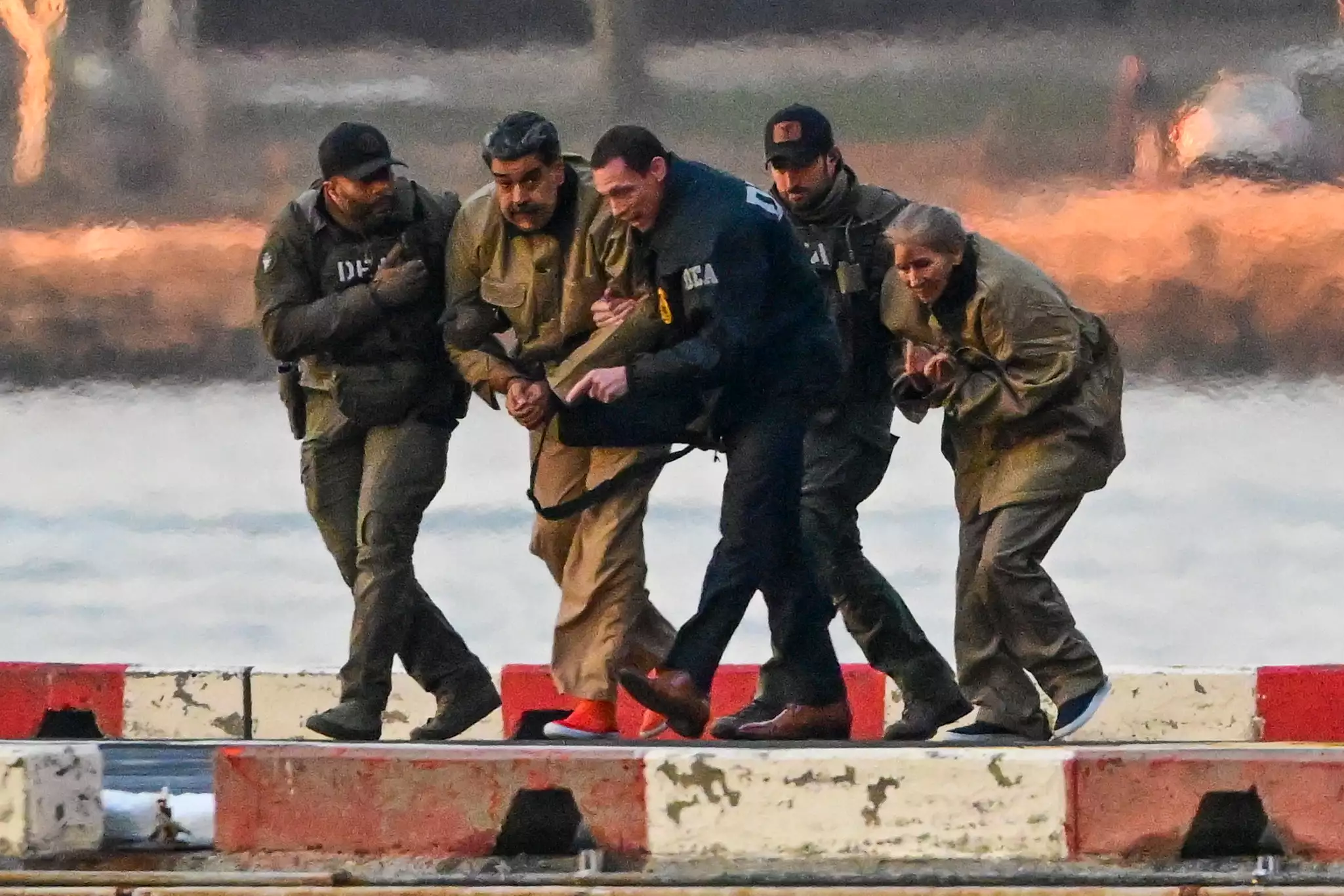
But Iran is not Venezuela. It has a multilayered religious, military and bureaucratic system, designed specifically to absorb shocks and ensure continuity under pressure. Assessments in Israel and the US may have correctly identified the regime's weaknesses and public discontent, but they overstated the power of external pressure to generate a systemic collapse.
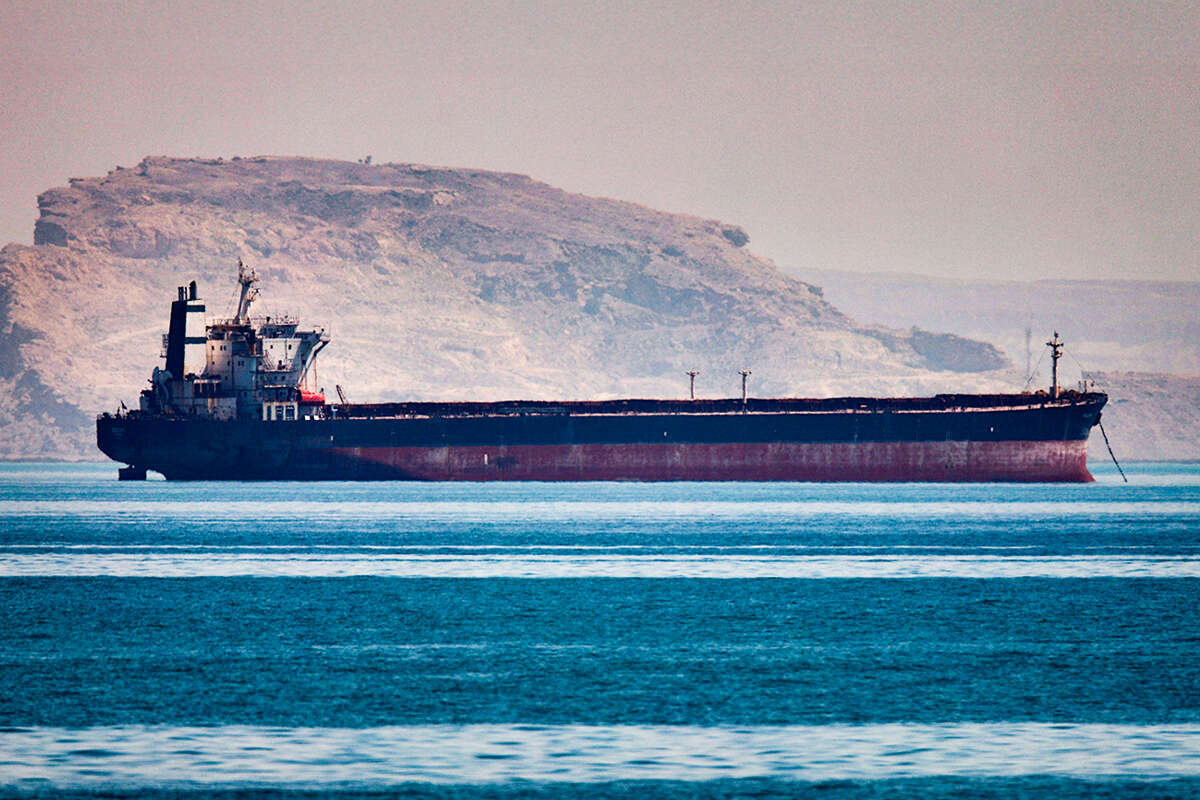
More than that, there was overconfidence. The assumption was that the regime could be fundamentally damaged without it activating the central strategic cards it had accumulated over decades, even in the face of a clear and public threat to its very existence, foremost among them its ability to threaten the world's energy market.
Iran's previous leaders were indeed cautious when it came to escalation in the Strait of Hormuz, but that was a miscalculation. The current leadership, shaped by crisis and controlled by extremists, did not hesitate to close it. When the regime realized this was an existential war, it activated what it saw as its strongest strategic tool: not the nuclear program, but Hormuz.
What was actually achieved?
On the nuclear front, the fate of the enriched uranium stockpile is the critical issue, but the military campaign barely focused on it. As for the nuclear program itself, very little changed compared with the situation after Operation Rising Lion and Operation Epic Fury in June of last year.
The Iranian missile industry was damaged, perhaps even deeply, but the emerging deal imposes no restrictions on it, and Tehran will soon have the resources available to rebuild it after funds and assets are unfrozen. Beyond that, after surviving a war against the strongest military in the world, Iran emerges from the campaign with high self-confidence and with a strategic standing significantly stronger than it had on Feb. 27.
As for the regime, the possibility that it will fall should not be ruled out. It is always a possibility. But one must ask how correct it was to wage a war based on the assumption that this would happen. More than that, one must point to the troubling possibility that the war actually prevented, or at the very least slowed, the regime's collapse, a collapse that might have occurred through the natural processes it was undergoing, as a result of the deep rot that had taken hold of it.
On the eve of the attack, the regime was in a severe legitimacy crisis. Turnout in the March 2024 parliamentary elections barely crossed the 40% threshold, the lowest since 1979. The election of Masoud Pezeshkian, considered relatively moderate, as president was meant to appease the street.
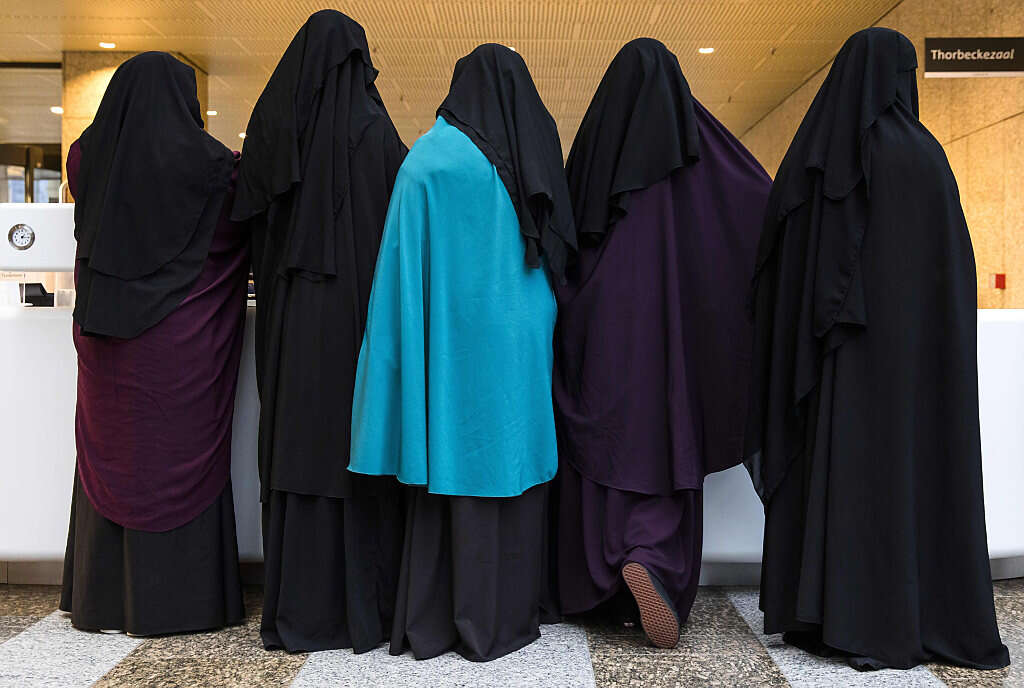
Back in late 2024, Tehran froze enforcement of the strict hijab law, and by late 2025, women could already be seen in the streets without veils and in mixed gatherings, sights that just a year earlier had been considered unimaginable. Iranian government officials even acknowledged in an interview with Reuters in November 2025 that the regime was changing its policy out of fear of public anger. On the eve of the war, Iran was in the midst of an internal process of change that was steadily deepening.
The war, and Khamenei's elimination, cut that process short. Instead of a natural process of generational change and decline, in which the Assembly of Experts would have had to seriously address the challenges facing the Islamic Republic and perhaps even consider more moderate candidates and, later, deep regime change, the exact opposite result emerged.
The path was paved for the rise of Mojtaba Khamenei, the supreme leader's son, who had not been his father's preferred successor but enjoys backing from the Islamic Revolutionary Guard Corps. He became a central figure in a tight and controlled succession process, in which power in Iran shifted sharply into the hands of the security establishment.
The Revolutionary Guards expanded their control over central government bodies, from the presidency to the Supreme National Security Council. Instead of change that may have been on the way, Iran emerges from the campaign controlled by a system that is more centralized, more militaristic, and far less restrained.