Iran's Foreign Ministry stated on Wednesday, warning that any country in the region that provides the United States with assistance or military bases while American forces attack Iran will become a target. The warning came after Iran struck Kuwait and its international airport.
"The Foreign Ministry emphasizes that any action by a country that allows aggressors to use its land, sea, and airspace, or facilities and bases located on its territory, to carry out or support military aggression against Iran constitutes a clear violation of the fundamental rules of international law and the principle of good neighborliness, and is considered an act of aggression against Iran," the ministry's statement read.
The statement added, "In exercising its inherent right to defend Iran's territorial integrity and national sovereignty, the Islamic Republic of Iran will use all its capabilities to confront acts of aggression, including by targeting the source and origin of aggressive attacks."
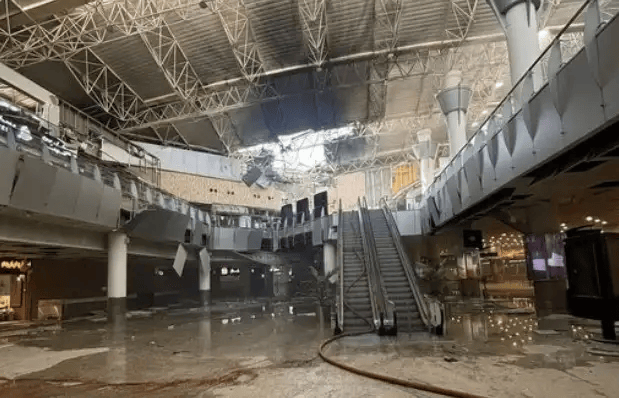
Iran struck targets inside Kuwait overnight, causing significant damage to Kuwait City's international airport. Kuwait summoned Tehran's diplomatic representative for a formal dressing-down, and condemnations spread across the Arab world. The Revolutionary Guards simultaneously intensified their own threats. In a statement marking the anniversary of the death of Ruhollah Khomeini (founder of the Islamic Republic of Iran), the Guards wrote, "The enemy was forced to accept new rules" that, the Guards claimed, the Iranian nation and security forces had imposed on the ground, particularly in the management and control of the Strait of Hormuz.
The declaration read, "The resistance will continue with full force until the destruction of arrogant conspiracies, the expulsion of foreigners from West Asia, and the liberation of holy Quds [Jerusalem] with the destruction of the Zionist regime." The Revolutionary Guards also emphasized the continuation of what they called "resistance," describing it as part of the Islamic Republic's regional strategy.
The American demand to reveal the uranium location
American diplomatic sources revealed new details Wednesday about an annex to the US proposal to end the war with Iran and restore freedom of navigation in the Strait of Hormuz, as reported by the Emirati outlet Erem News. The sources told the outlet that Tehran had not yet sent a final response.
Under the annex, the Iranian regime is required to respond quickly and specifically about where its enriched uranium stockpile is located and how it will be transferred elsewhere. The annex also includes a framework for the passage of vessels through the Persian Gulf.
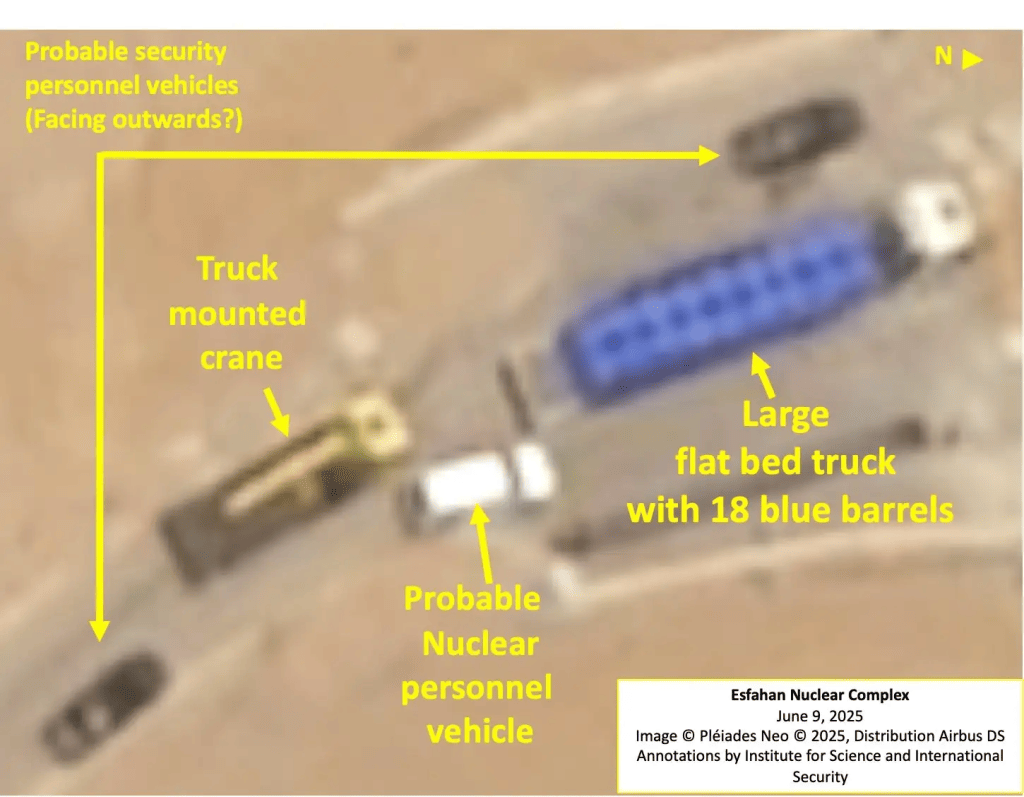
The American sources said the latest revision shifted the pressure to implementation mechanisms, with Washington wanting any start of negotiations to come in exchange for an Iranian declaration disclosing the location of its high-level enriched uranium stockpile – before any broad economic relief or reopening of vessel movement in the Strait of Hormuz.
The sources added that the clause regarding the Strait of Hormuz addressed details such as defined transit corridors, regular navigation notices, cessation of all selective inspections, and a ban on transit levies by Iranian entities.