It is no secret that Israel's Mossad hoped and wished for the collapse of the negotiations between the US and Iran.
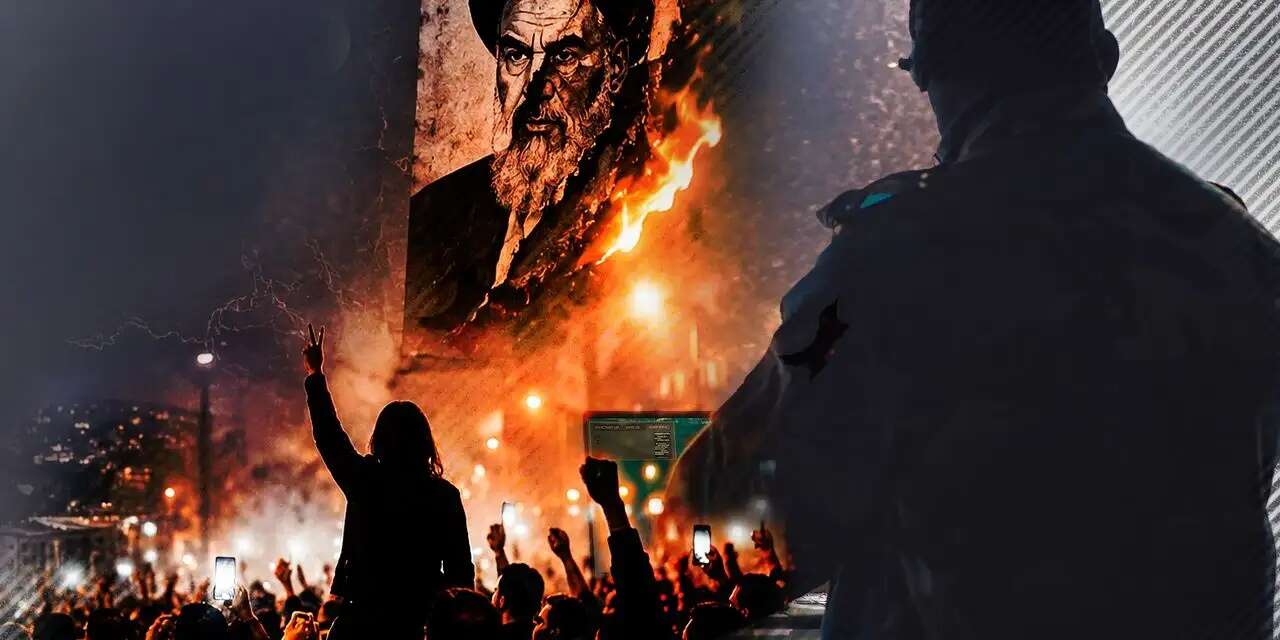
In the months preceding Operation Roaring Lion, the Mossad built an extensive infrastructure designed to bring down the ayatollah regime using a range of influence tools, from a "poison machine" operating on social media, through agents of chaos operating on Iranian soil, to a breach of Iranian television broadcasts.
This infrastructure was integrated into the Israel Air Force's kinetic campaign, and together the moves were meant to "create the conditions for the regime's collapse," as Prime Minister Benjamin Netanyahu put it.
But even inside the Mossad, the starting assumption was that, with all due respect to the organization's capabilities, the regime in Tehran would ultimately be replaced only by a civilian movement from within, not as a result of external pressure, however heavy and sophisticated. This mass eruption, officials in Mossad Director David Barnea's agency believed, was supposed to rest on the influence infrastructure that had been built, but above all on growing economic distress.
This was also why, during Operation Roaring Lion, Mossad officials urged Netanyahu to bomb civilian infrastructure in Iran, including power stations and factories. Netanyahu turned to US President Donald Trump, who vetoed it, and Israel was forced to comply.
At the end of the operation, the Mossad opposed the negotiations between Washington and Tehran, believing that only if the sanctions, blockade and other measures paralyzing the Iranian economy remained in place would the Iranian public rise up.
"At a certain point, when the food runs out on the shelves, anger will overcome fear," a senior Mossad official recently explained. That message was again conveyed to Netanyahu, and through him to President Trump. This time too, it appears Trump was not convinced.
To a large extent, the Mossad got what it wanted yesterday, Sunday. If the moves of the past 24 hours thwart the continuation of the negotiations and keep the economic pressure on Iran in place, Mossad officials will no longer be able to explain why their promise to topple the ayatollah regime, with Barnea recently claiming in closed conversations that he believes it is possible by the end of 2026, is not coming true.
Containment policy
When the Oct. 7 war broke out, Netanyahu made two strategic decisions, to which he has so far adhered zealously.
The first decision, already evident on the dramatic night of deliberations on Oct. 11, 2023, was to work in sequence. Netanyahu pushed the IDF to focus first on the Gaza Strip, and only afterward move on to Lebanon. One front at a time. "At that moment, we already knew that the next stage would be Iran," a person who was in Netanyahu's most limited decision-making circle told me in the past.
That decision proved itself: In the fall of 2024, the IDF moved to the Lebanese front, knocked Hezbollah off balance, secured a ceasefire in the north and calm in the south, and then freed itself to prepare for Operation Rising Lion in Iran.
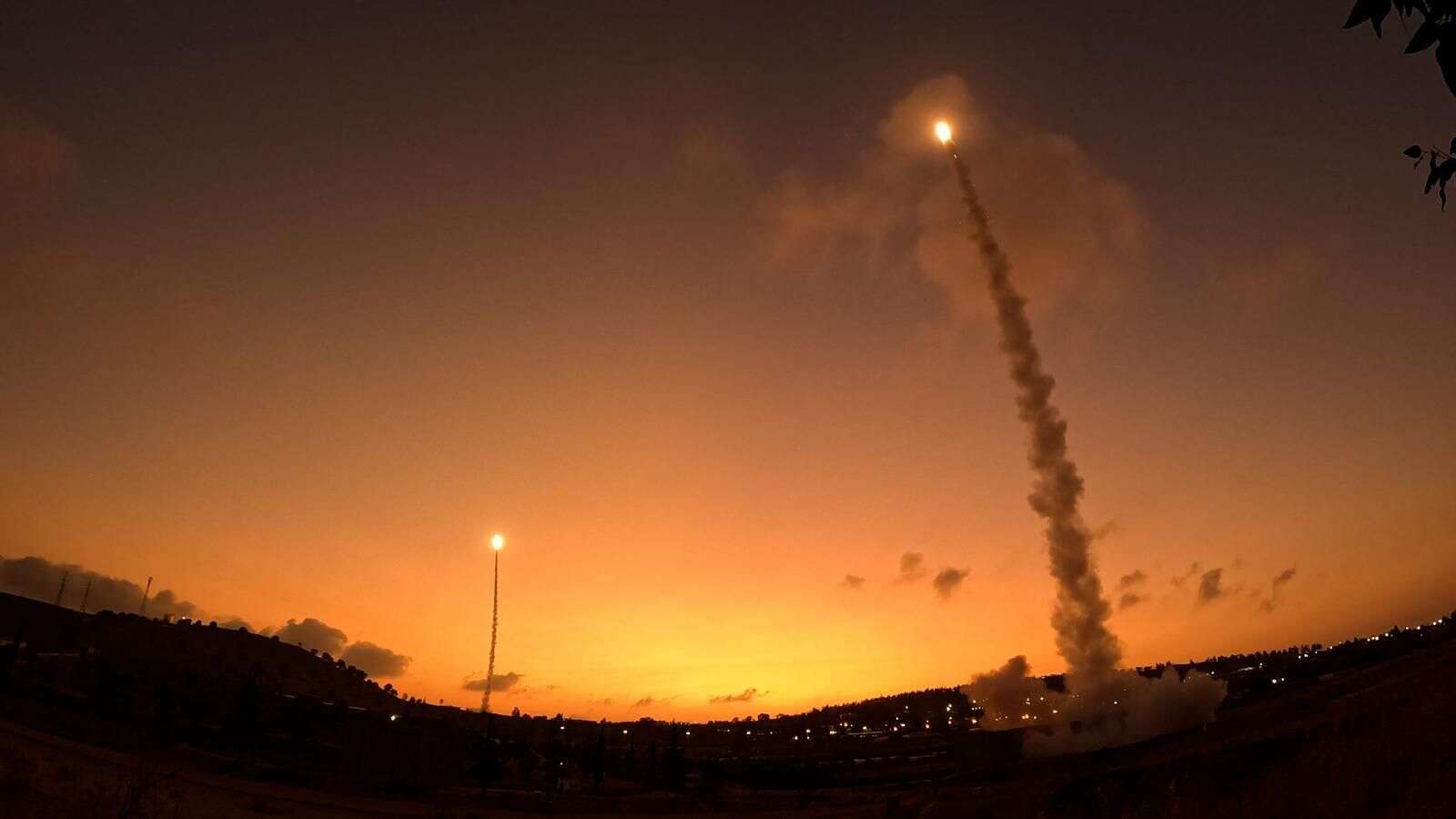
The second decision was to abandon the policy of containment, which contributed greatly to the Oct. 7 failure and characterized all of Netanyahu's terms in office, and start behaving like the neighborhood bully of the Middle East.
The peak of that policy came in the strike in Doha in September 2025. Netanyahu approved the IDF and the Shin Bet security agency's plan to carry out a blow against senior Hamas officials in a country that Israel had never openly attacked. The move shook not only local public opinion, but also Arab states friendly to Israel and, of course, the West.
This time too, the decision proved itself: The strike led to the breakthrough that made it possible to return all the hostages who still remained in Gaza.
Netanyahu now stands at a T-junction. He can obey Trump's wishes, submit once again to the ritual of limited rounds of fighting against the enemy of the moment, and return to the battles of equations that characterized Israel's conduct toward Hamas and Hezbollah until Oct. 7.
The prime minister can also, and not for the first time, stretch the rope with the US president and even refuse his demands in order to complete the moves in Iran. The history of the current war suggests that this is the path he is likely to choose.
Absolute victory
On Oct. 7, the first Israel-Iran war effectively broke out. The enormous ring of fire that Iran had built for years around Israel, investing billions, then began operating to destroy the "Zionist entity," even if it did so in an unplanned and unmanaged way.
The various evolutions of the war brought the two countries into direct confrontation, whose resolution now appears to have only one possible form: toppling the regime in Tehran. "We in the Mossad understood that the ace in the hole, the end of the war, is the regime's collapse," said O., head of the Mossad's influence division, in an interview published in this newspaper less than two weeks ago.
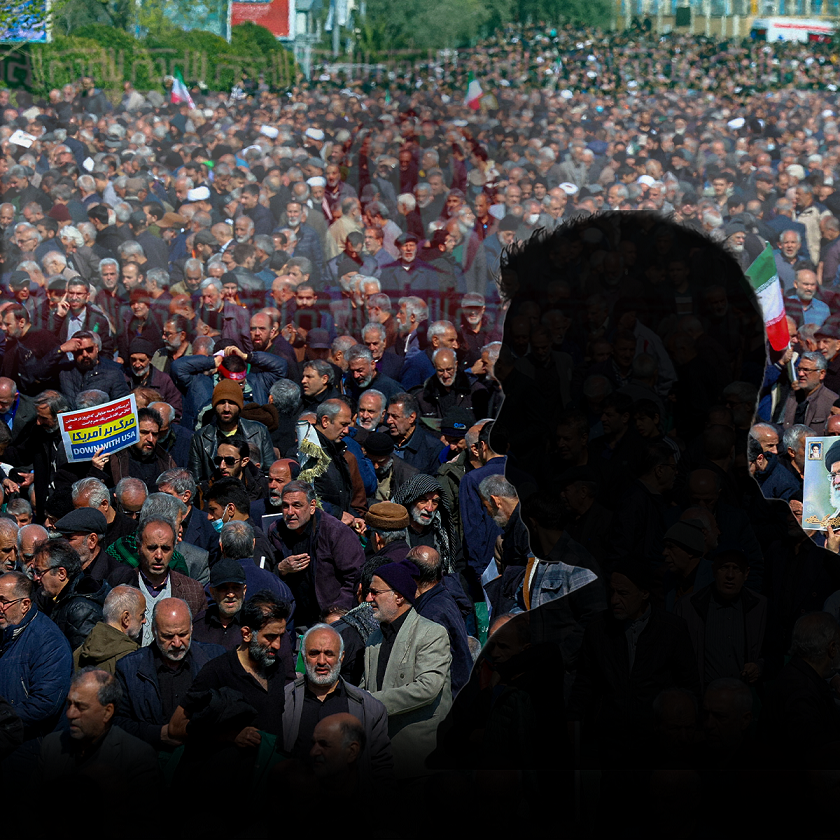
Even if Netanyahu did not mean that when his aides coined the slogan "absolute victory" for him, that is where things have ended up: victory equals regime collapse. Which brings us back to the Mossad. The grand plan woven by Barnea is now reaching its "money time."
Now, behind the wheel, is a new driver. The head of the agency, Roman Gofman, who took up his post only last week, with no real experience managing an intelligence body, will have to cope with this pressure. Now, after removing Barnea's deputy, A., from his post, he will do so effectively alone at the top of the organization.
All that remains for the citizens of Israel is to wish him success.