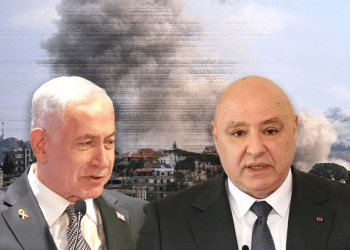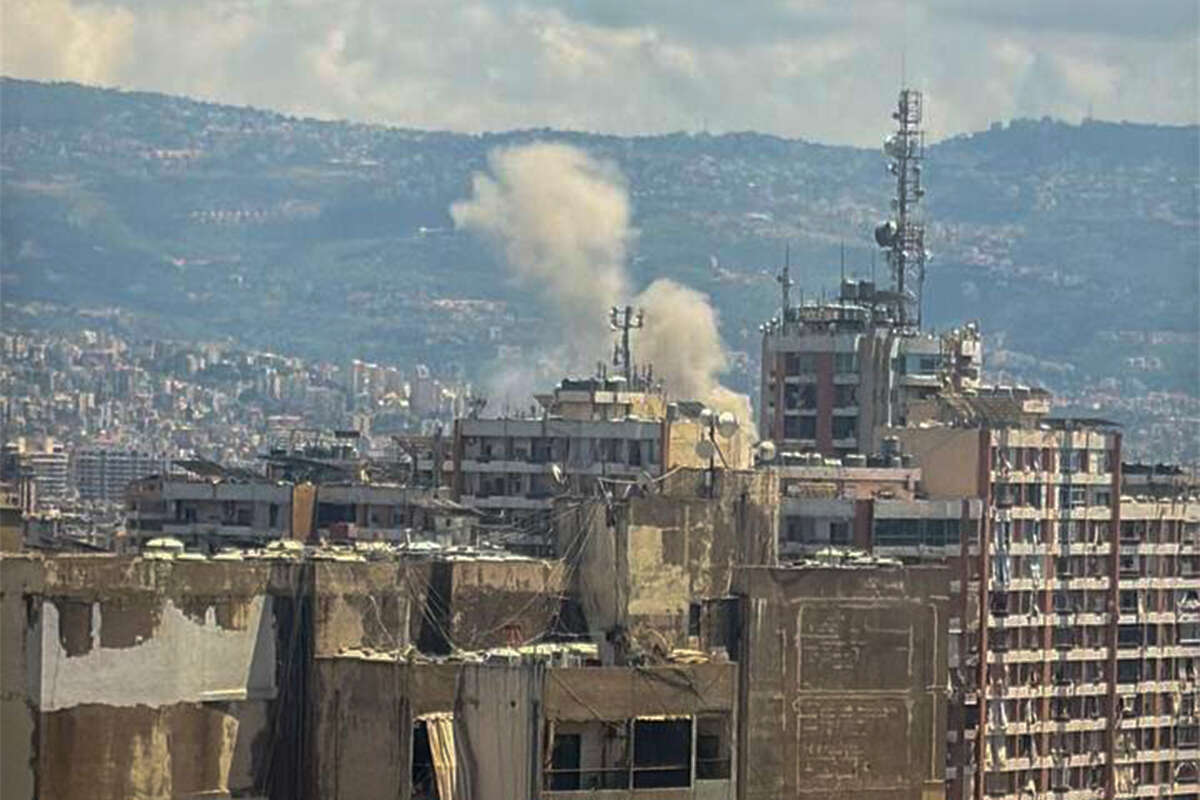
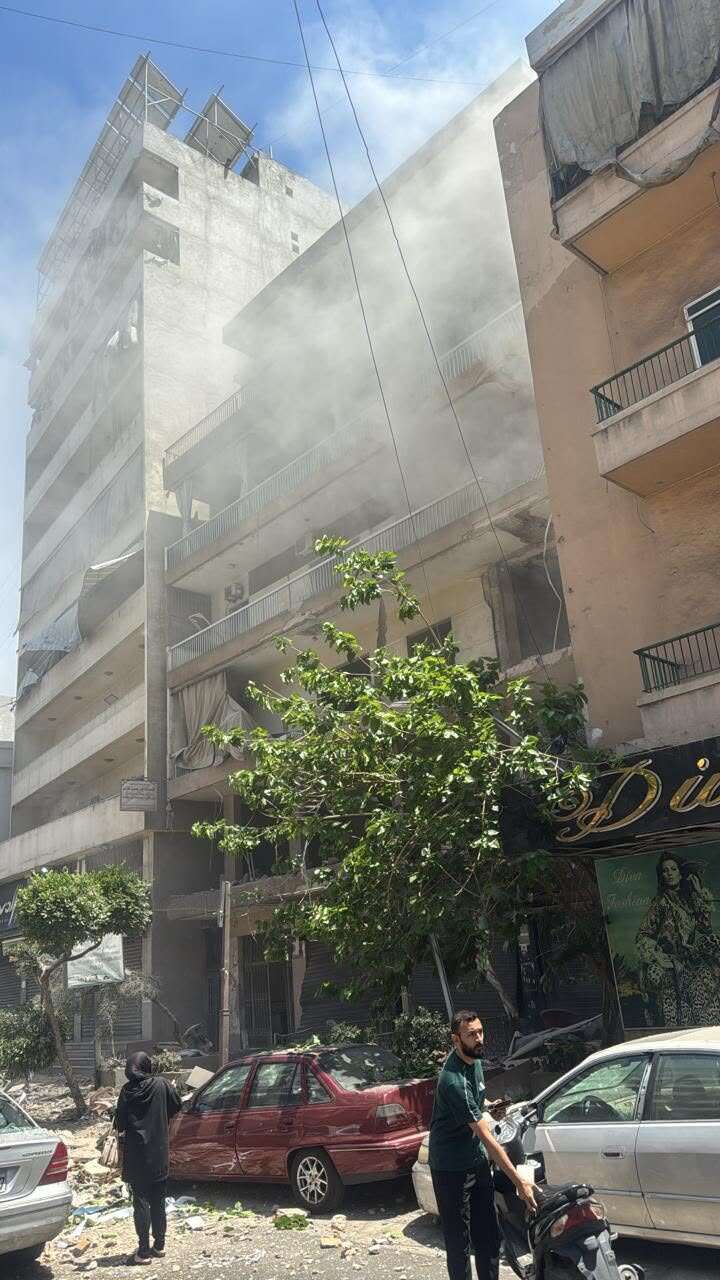
Israel struck Hezbollah targets in Beirut's Dahiyeh district, after the terrorist organization fired toward Israeli territory. In a joint statement, Prime Minister Benjamin Netanyahu and Defense Minister Israel Katz said the strike had been carried out on their orders and was a direct response to the fire. "Israel will not tolerate fire at its territory," the statement said.
The strike came at a particularly sensitive time, against the backdrop of advancing contacts between the US and Iran over a new memorandum of understandings. In recent days, reports and assessments in the region have increasingly suggested that an agreement between Washington and Tehran could also affect the Lebanese front.
But Jerusalem is sending a different message. Over the past 24 hours, it was reported that Israel had made clear to the US that it expected to preserve its military freedom of action in Lebanon even if an agreement with Iran is signed. According to various reports, Israel asked Washington not to restrict its operations against Hezbollah and continues to stress that its considerations on the northern front are dictated by the security reality on the ground, not by diplomatic understandings with Tehran.
That line was also reflected in reports published in Lebanon over the weekend. Sources familiar with the contacts between the sides claimed that Israel believes a US-Iran agreement will not necessarily bring an end to the fighting in the north or lead to a change in the deployment of forces in southern Lebanon. According to those reports, Jerusalem seeks to shape a new security reality along the northern border and ensure that the threat to communities in the Galilee does not return to its previous form.
By contrast, opposing assessments are being voiced in Lebanon. Political officials in the country claimed that an agreement between Tehran and Washington could eventually lead to contacts between Lebanese President Joseph Aoun and Hezbollah and help establish a ceasefire with Israel. The strike in Dahiyeh, hours after those assessments were published, illustrates that at least from Israel's perspective, as long as fire at its territory continues, Hezbollah will continue to pay a price even in the heart of Beirut.
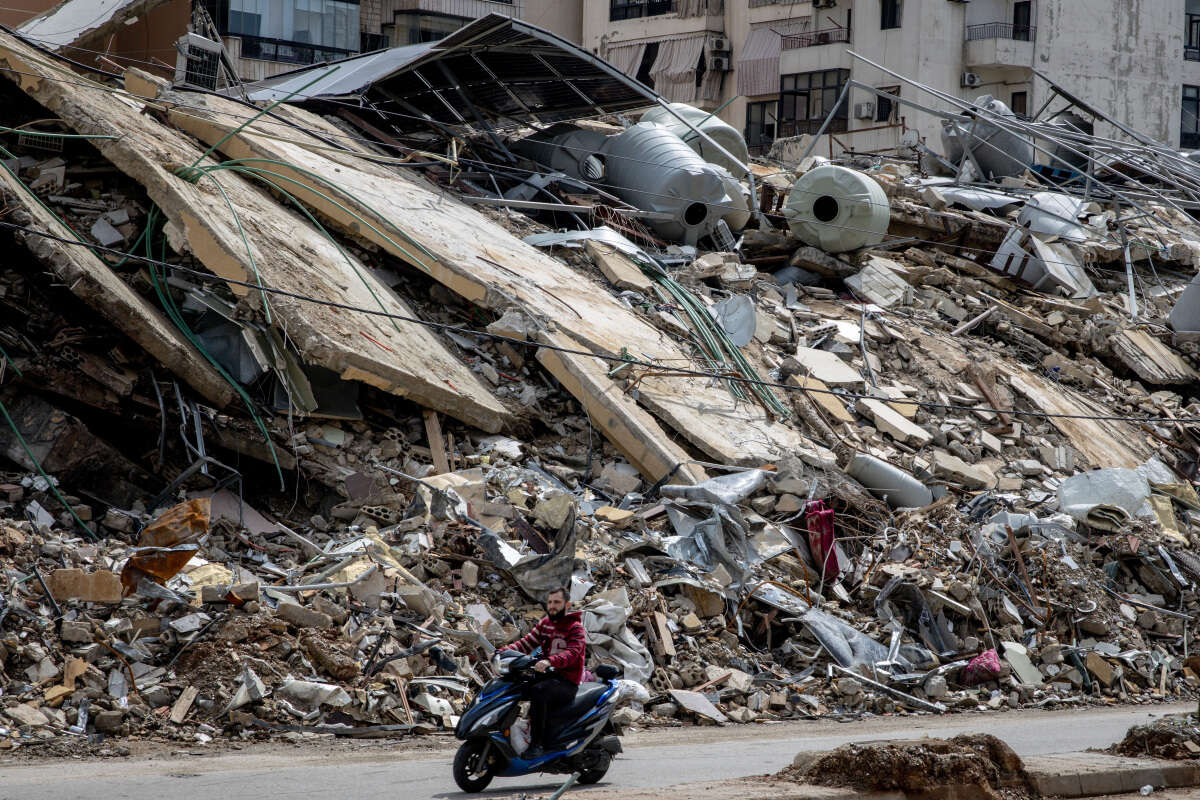
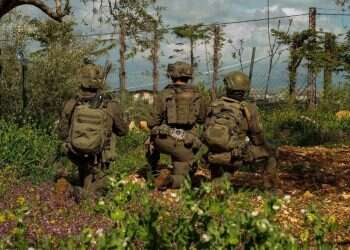
The Israel Defense Forces Spokesperson's Unit later said the strike was a precise attack on Hezbollah headquarters in Beirut. According to the IDF, the headquarters was used by the organization's terrorists to advance terror plots against Israeli civilians and IDF troops operating in southern Lebanon.
The IDF said the strike was carried out after Hezbollah earlier in the day launched aerial targets toward Israeli territory. The military stressed that the organization continues to advance terror plots against Israeli civilians and IDF troops, and that the IDF will continue to act to remove any threat to the State of Israel and to its forces, in accordance with the directives of the political echelon.
In response to the strike, Ibrahim Rezaei, spokesman for the Iranian parliament's National Security and Foreign Policy Committee, warned that "no one must make a miscalculation." He said that even those seeking to reach an agreement or understandings must understand that the path to doing so passes through "educating the Zionist regime." Rezaei added: "If this mad dog is not restrained, even before the ink on the agreement dries, it will bite us in the leg."