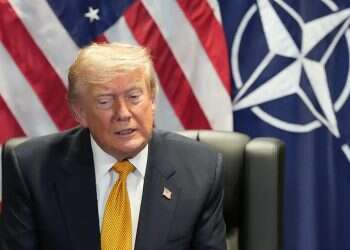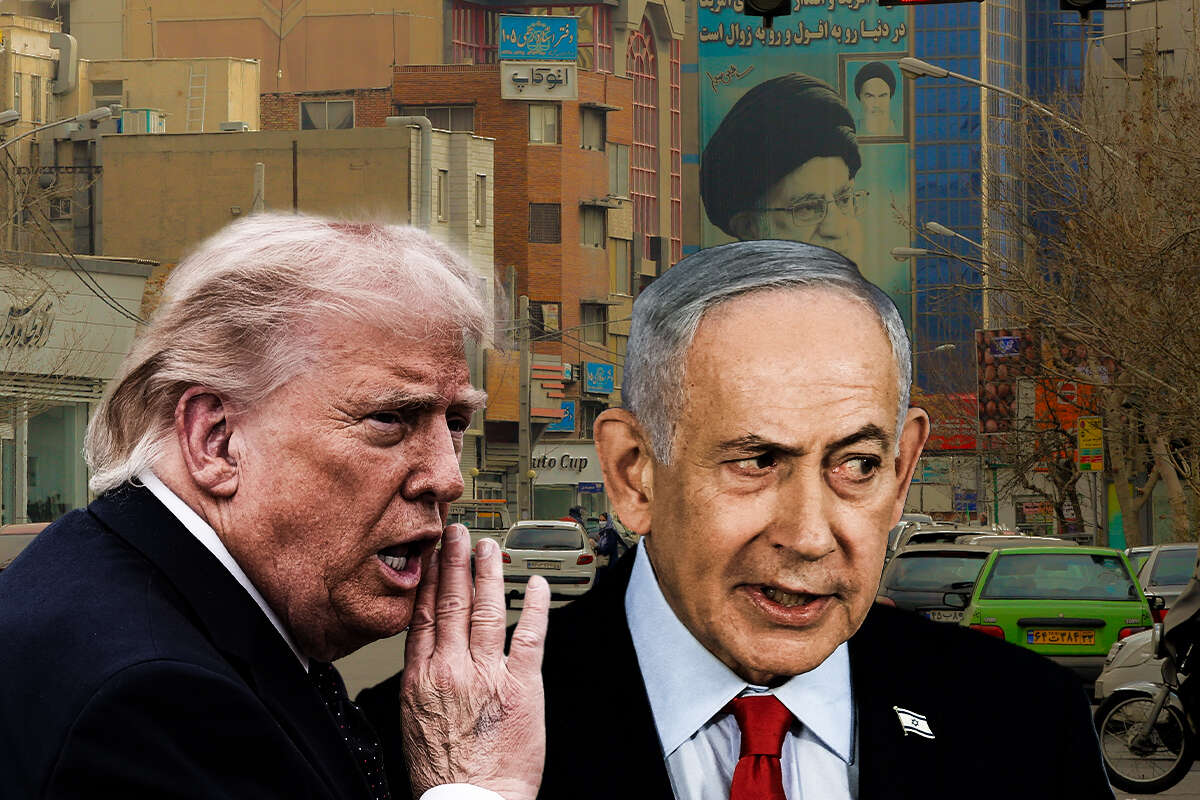
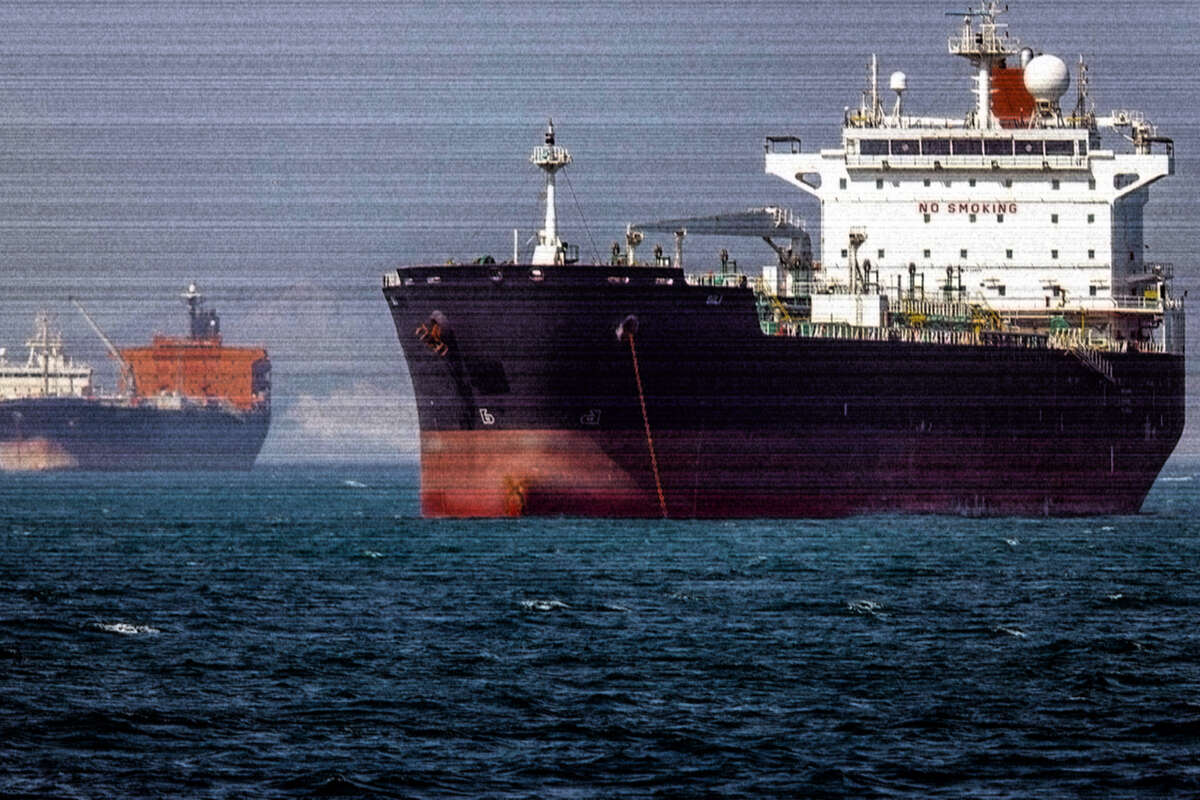
According to information received by Israel, US President Donald Trump and his advisers are convinced that unless the Strait of Hormuz is reopened and oil prices fall, the global economy will enter a recession. It should be noted that such forecasts have indeed been voiced in the American media. For this reason, Trump is approving a memorandum of understanding whose only practical significance is the reopening of the strait, while all the other issues will be discussed later.
Israel is deeply unhappy with the move, but is refraining from criticism out of an understanding of the predicament in which the president finds himself. At the same time, Israel blocked an Iranian demand that it withdraw its forces from Lebanon as part of the understandings.
According to the messages that those around President Trump continue to convey to Israel, in the final agreement, if such an agreement is signed, the US will achieve all the original goals for which it went to war. For now, officials in Jerusalem stress, there is no agreement, but rather a memorandum of understanding, if that.
Details of the emerging deal
On Friday, the White House presented the details of the emerging agreement between the US and Iran. As part of this, White House officials noted that there is a high degree of mistrust between the sides, and that the agreement is therefore being built on a gradual mechanism of "action for action." According to them, the draft memorandum of understanding was formulated in a way that both sides "feel good about."
Trump later made clear that all the reasons for which the two countries went to war would be addressed, namely the nuclear issue, missiles and the terrorist organizations backed by Iran, first and foremost Hezbollah. According to the source, the issue of Lebanon was raised and remains unresolved, with the understanding that the rules of the most recent ceasefire agreement remain in force, under which Israel is permitted to strike whenever an emerging threat against it is identified.
Iranian Foreign Minister Abbas Araghchi presented Tehran's version of the emerging "Islamabad Memorandum" late Friday night and said it was expected to be signed in the coming days "digitally" and remotely. Araghchi said that under the emerging agreement, "the war will end on all fronts, and a commitment will be given not to initiate hostilities and to refrain from the use of threats or force." Araghchi further claimed that the only solution acceptable to Iran on the issue of enriched uranium is diluting the material inside the country.

On Saturday night, US President Donald Trump confirmed that the agreement with Iran was expected to be signed Sunday, and that immediately afterward the Strait of Hormuz "will be open to everyone." Trump's statement came after Iranian Foreign Ministry spokesman Esmaeil Baghaei earlier sought to cool expectations and made clear that the signing of the memorandum of understanding "will not happen tomorrow" (Sunday), although he did not rule out the possibility that it would happen in the coming days.