The Diplomatic-Security Cabinet convened on Sunday to discuss the implications of the US–Iran agreement, focusing primarily on the Lebanon front. According to sources familiar with the details, the ministers backed Prime Minister Benjamin Netanyahu in his decision to keep the fronts separate and to maintain the IDF's presence in southern Lebanon, despite Iran's demand to link the northern ceasefire to the deal reached with the United States.
Under the decision, the IDF will remain in southern Lebanon and continue operating there. If Hezbollah fires into Israeli territory, the IDF will exact a heavy price – including deep inside Lebanese territory. The cabinet also agreed to advance in accordance with the framework proposed by US Secretary of State Marco Rubio, under which, if Hezbollah withdraws beyond the Litani River, Lebanese army forces would deploy in the areas from which the IDF then withdraws. If Hezbollah continues to refuse, the IDF will keep doing the job in southern Lebanon.
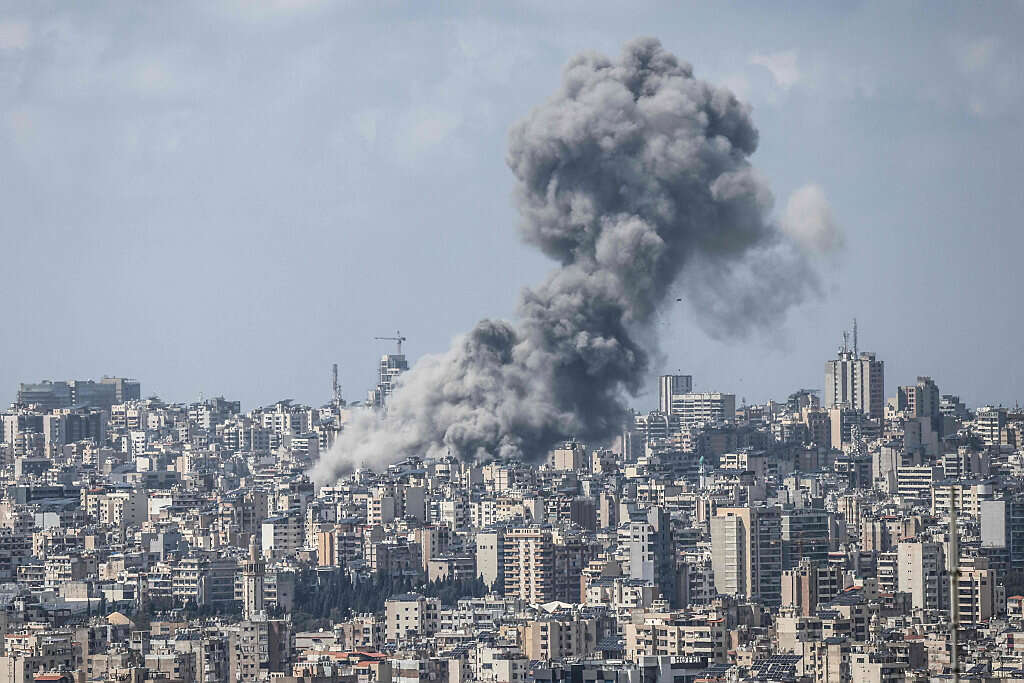
In light of Netanyahu's decision to strike Dahieh (the southern Beirut suburb that serves as Hezbollah's political and military stronghold), and against the backdrop of tensions with the United States, a cabinet source said, "Relations with Trump right now are more strained than ever." All ministers backed the decision to make Hezbollah pay a price each time it attacks Israeli territory – even if that prolongs the friction with the president in the White House.
Nevertheless, ministers in the cabinet said Israel has no intention of interfering in anything related to the agreement with Iran, as that matter rests in Trump's hands.