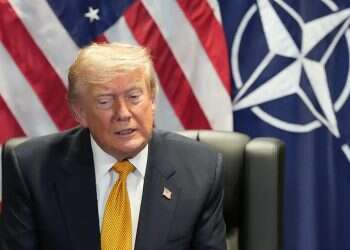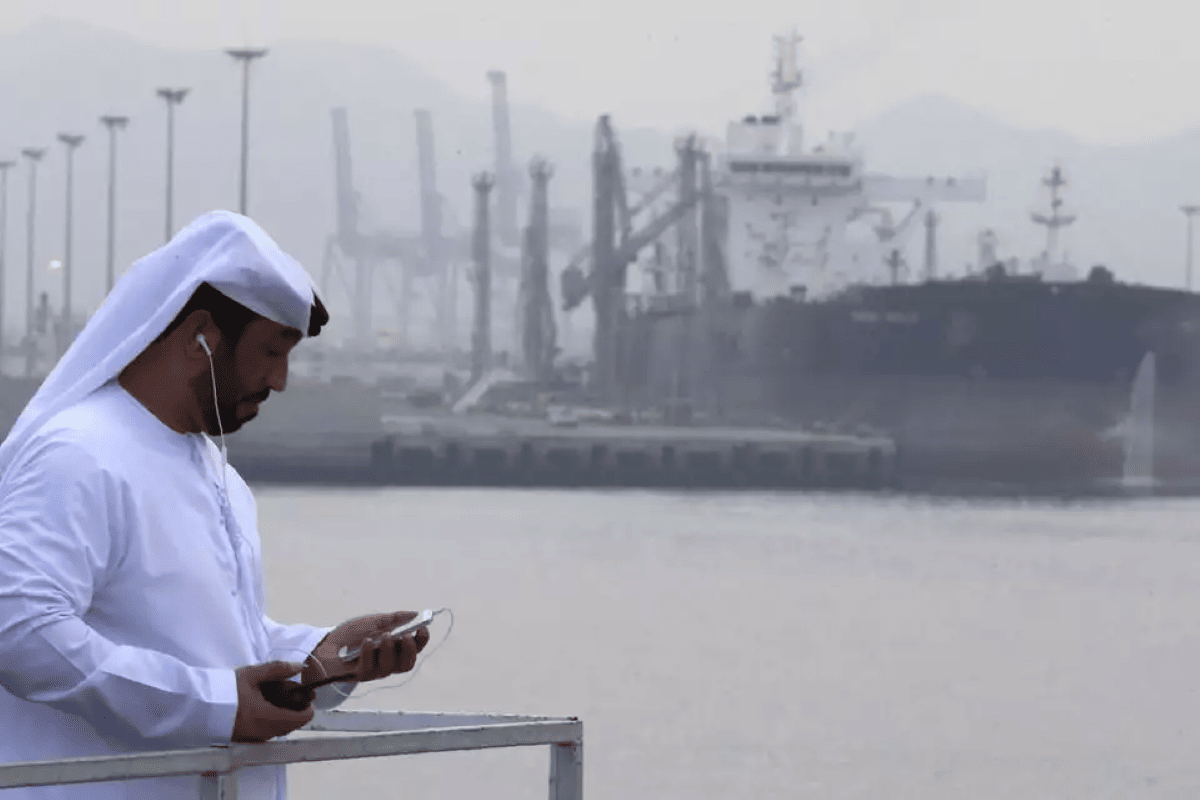
Amjad Taha, a senior commentator in the United Arab Emirates, came out forcefully on Wednesday against the deal with Iran and against US President Donald Trump.
"Out of 8.3 billion people on Earth, only two seem to trust Iran: Trump and JD Vance," Taha wrote on the social media platform X. In the same post, Taha – whose account has 681,000 followers – added, "Iran promises not to pursue nuclear weapons for 60 days. No verification mechanism. No mention of ballistic missiles. No mention of proxies. The mullahs remain in power. In return? Sanctions relief, frozen assets released, oil sales allowed, the naval blockade lifted, and potentially hundreds of billions of dollars. President Trump says he got everything. Did he? Or did Iran just get paid to promise things again?"

Taha also addressed Trump's claim that Syria would be able to defeat Hezbollah. "President Trump, let's be honest. Syria fought Hezbollah for 12 years and couldn't defeat it. It was only after Israeli airstrikes destroyed Hezbollah's infrastructure in Damascus and provided air superiority during the opposition's advance that Assad's five-decade rule collapsed on December 8, 2024. The lesson? If you want to dismantle Hezbollah, you need Syria and Israel working together, not replacing one force with another. And if that's the goal, perhaps don't make a deal with the Islamic regime in Iran, the very regime that sponsors Hezbollah," Taha wrote.
Earlier this week, the United Arab Emirates declared that, in light of the announcement of the memorandum of understanding between the US and Iran, it "emphasizes the importance of prioritizing dialogue and diplomacy and a commitment to international law, in a manner that strengthens security and stability in the region."
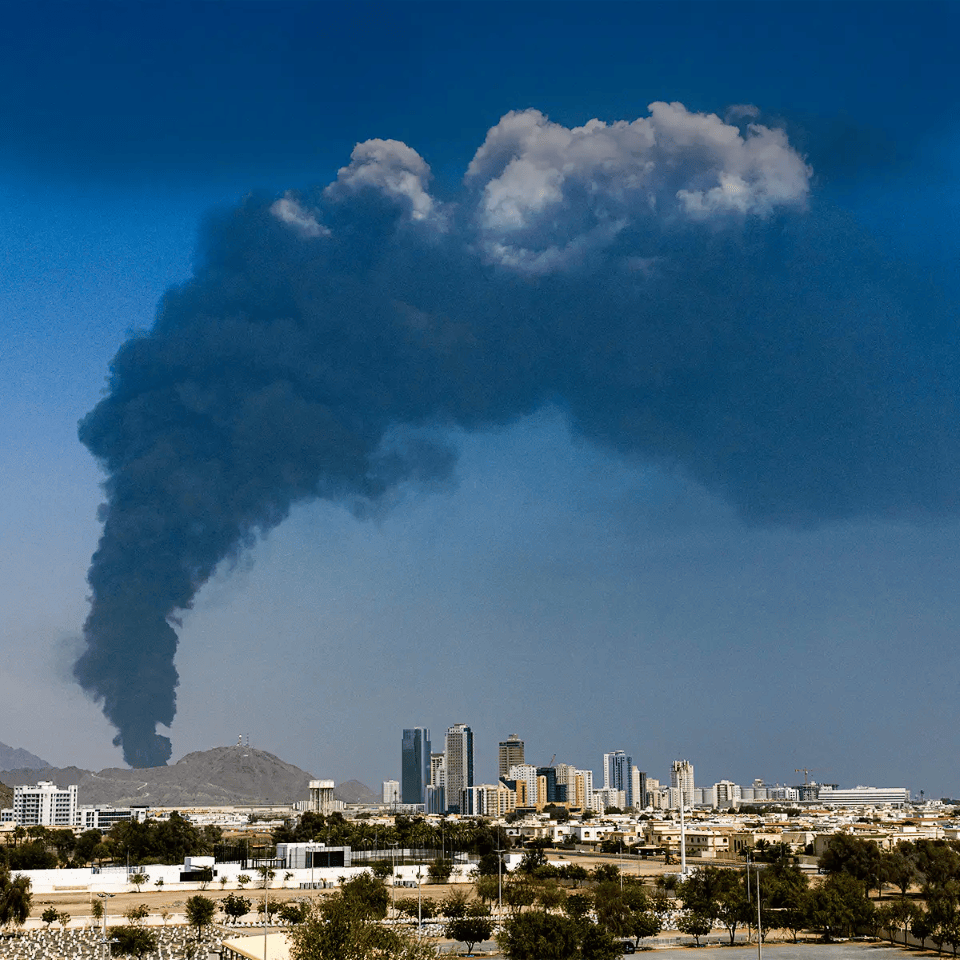
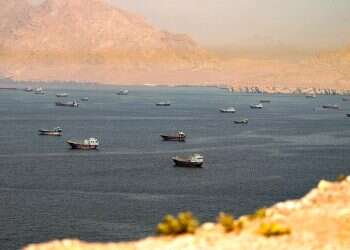
At the same time, the UAE Foreign Ministry stressed "the importance of full commitment to the terms of the agreement, in a manner that ensures the complete and immediate cessation of hostile actions in the region, and respect for the sovereignty of states and the principles of good neighborliness, alongside a commitment to international law, the protection of sea lanes and freedom of international navigation – including ensuring unimpeded passage through the Strait of Hormuz – which will strengthen security, stability, and economic prosperity at both the regional and international level."
Abu Dhabi also clarified that there is "the importance of continuing negotiations in a manner that will make it possible to achieve sustainable outcomes." The UAE expressed support for all efforts aimed at strengthening security and stability and at establishing a culture of dialogue and diplomacy in addressing regional and international crises.