Lebanese President Joseph Aoun's statement caught my eye. In it, he issued a clear condemnation of Iran following the attack on Bahrain and Kuwait the previous night. Not that Iran has not earned condemnations from here to Timbuktu, but such a statement, at this timing, two days after the signing of the framework agreement with Israel in Washington, means that Aoun is full of self-confidence, that Hezbollah and Iran behind it are far less threatening than in the past, and that this agreement enjoys broad public, political and diplomatic support.
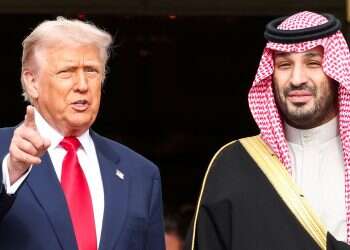
And one more thing: Aoun received approval from the Gulf states, including Saudi Arabia, to reach an agreement with Israel. A senior diplomatic source in the Gulf confirmed to Israel Hayom that Aoun consulted with several Gulf leaders, including United Arab Emirates President Sheikh Mohammed bin Zayed and Saudi Crown Prince Mohammed bin Salman, and received both men's blessing for the move.
Qatar was not part of this round of talks. Saudi support is particularly interesting, since Saudi Arabia, despite having been attacked during the war, remained on the fence and even tried to engage in dialogue with Tehran. Aoun is now expected to gain at least promises of investment from the Gulf states, which would provide a lifeline for the Lebanese economy.
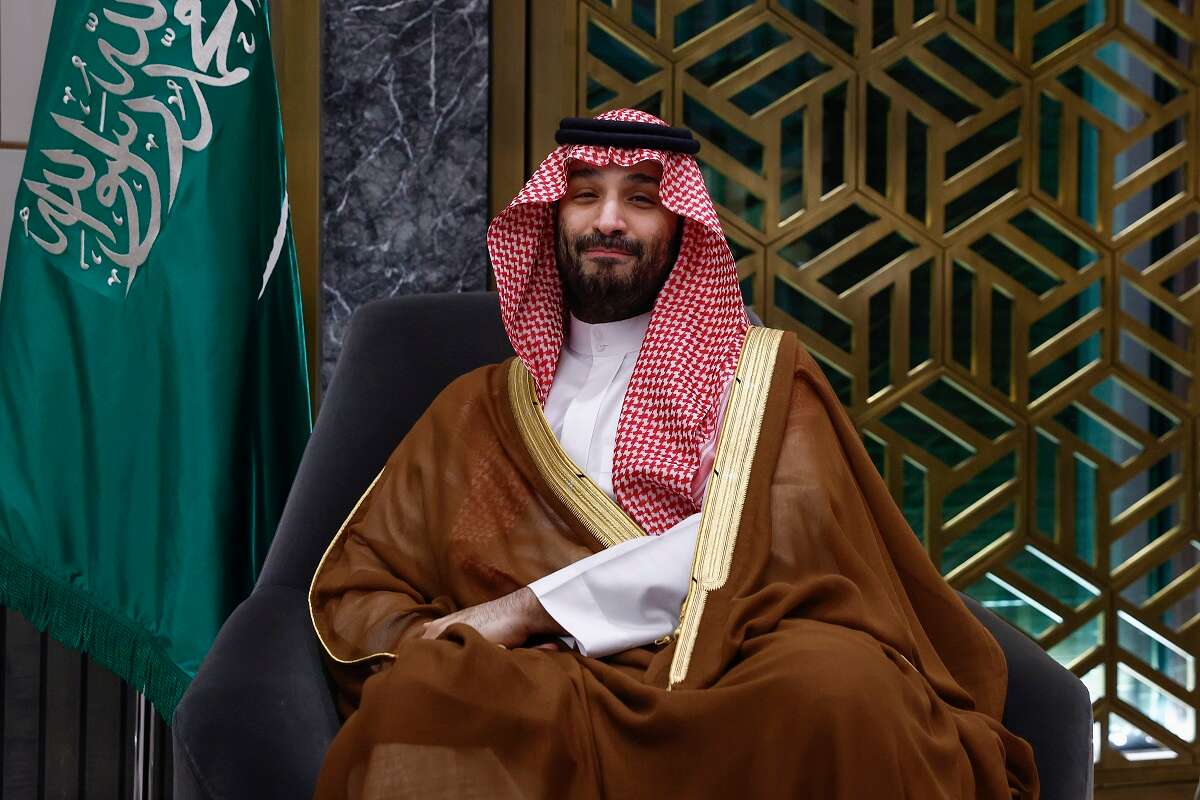
Aoun's self-confidence also stems from another reason that has become known to Israel Hayom. The Lebanese president received US guarantees for the preservation of his rule, his personal safety and the lives of other senior officials in his government who support the agreement with Israel and oppose Hezbollah.
According to two diplomatic sources, the US, and indirectly also intelligence officials from Israel, the region and the West, are helping secure the current Lebanese government and its senior officials, including Prime Minister Nawaf Salam and Foreign Minister Youssef Raggi. Lebanon's government maintains a dedicated personal security unit for these senior officials, against the backdrop of the country's past experience, when Syria under the Assad regime and later Hezbollah used the assassination of senior political and media figures as a tool against their opponents.
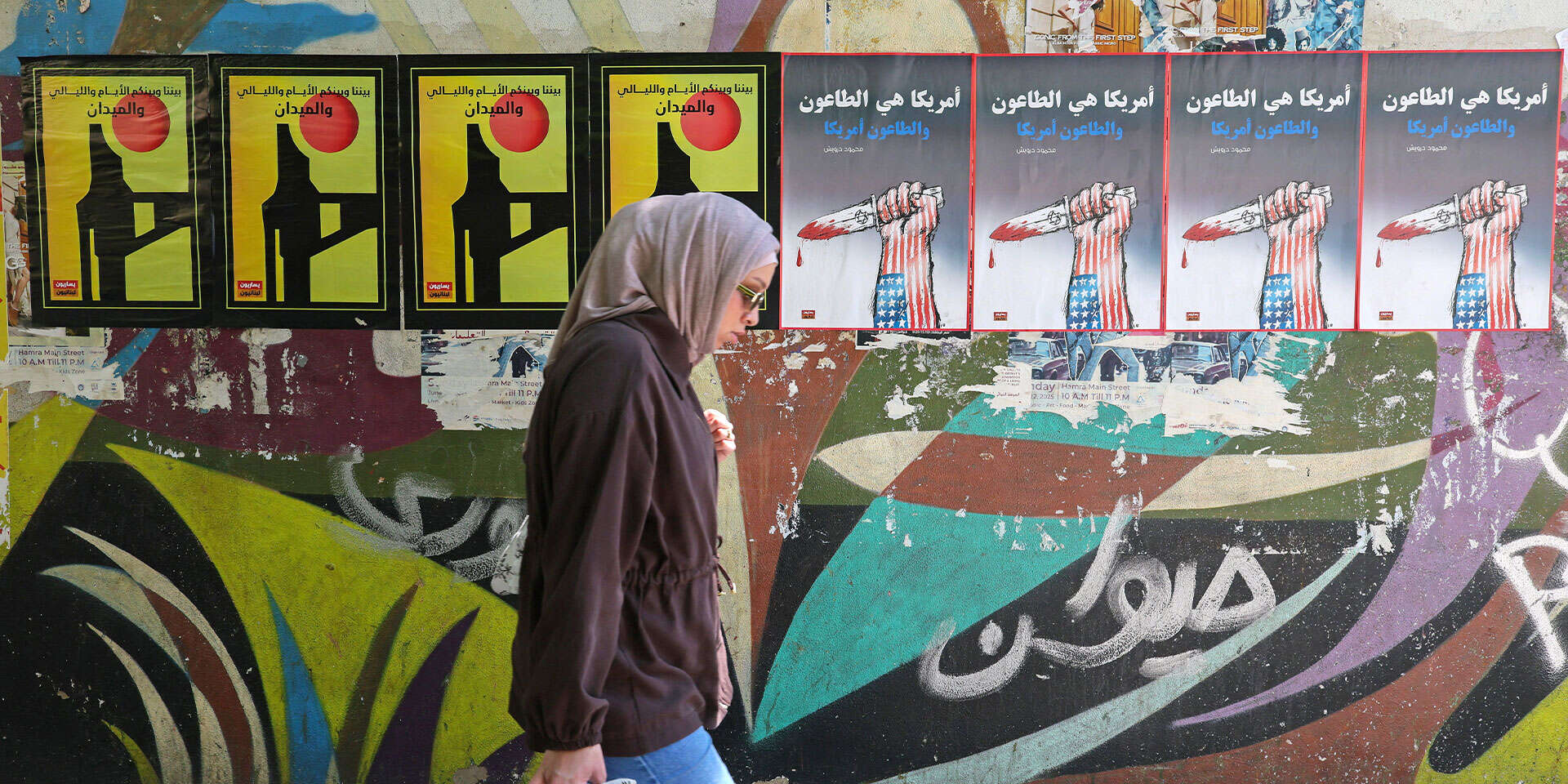
One of the diplomatic sources said Israeli activity, from the pager operation to the elimination of Hassan Nasrallah, his successors and the entire top military leadership of Hezbollah, has greatly reduced this concern and was one of the main factors that enabled the Lebanese government and President Aoun to embark on the diplomatic move with Israel. Those strikes also eliminated, whether by chance or not, the leadership of the Hezbollah unit responsible for threats against and assassinations of political rivals.
Aoun's statement also points to another aspect. Lebanon hopes to receive significant economic aid from the West as well. The US has already officially announced that it will provide funding, training and equipment to renew and strengthen the Lebanese Armed Forces, and so has the European Union. But beyond aid for the army, Aoun and Prime Minister Salam are waiting for the bigger promises, above all grants and loans from the World Bank and the International Monetary Fund, which were frozen for years because of Hezbollah's control over many state mechanisms, Lebanon's political chaos and corrupt conduct.