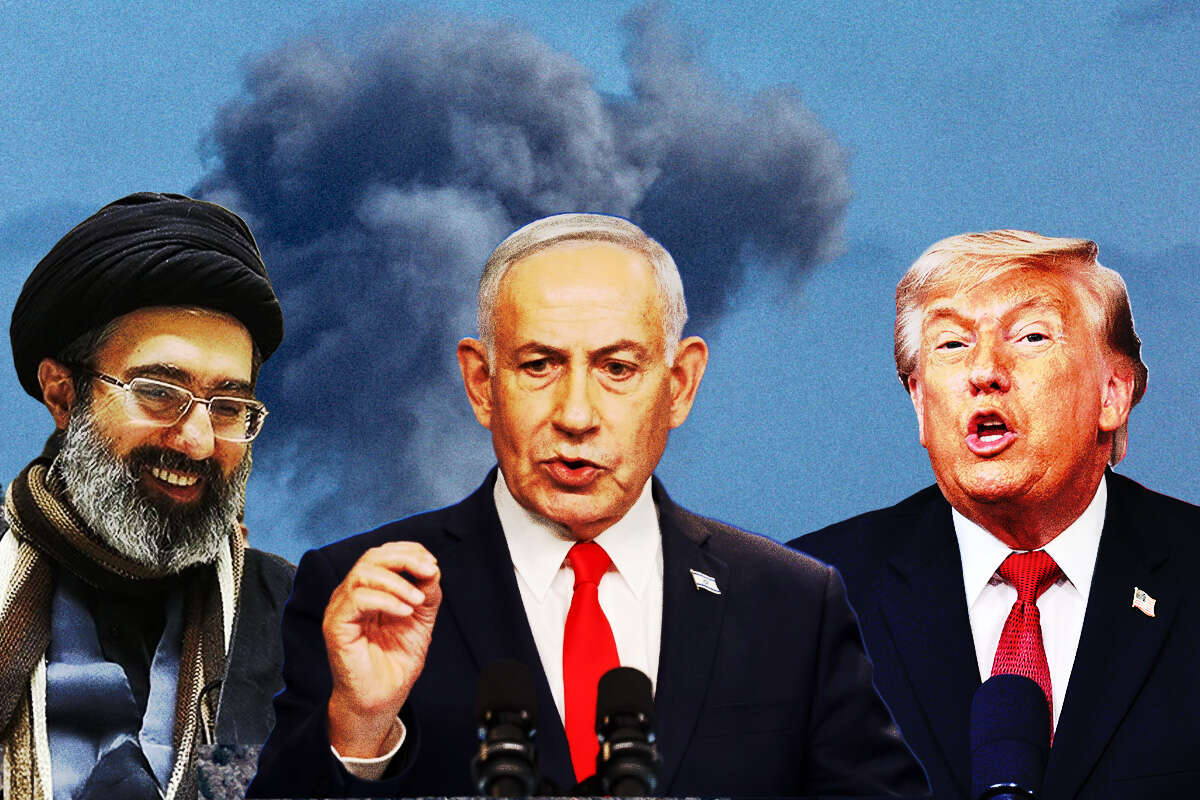
Since the memorandum of understanding between the United States and Iran was published, voices of disappointment have been heard in Israel, with some even speaking of a sense of betrayal. Many find it difficult to accept that Washington chose the path of a diplomatic arrangement rather than continuing the campaign.
But precisely now, it is important to set the insult aside and look at reality. The American administration is not naive, and Trump is not naive. They are well aware of the agreement's shortcomings and the risks it entails, but have concluded that this is the least bad solution from their perspective, and perhaps from Israel's as well.
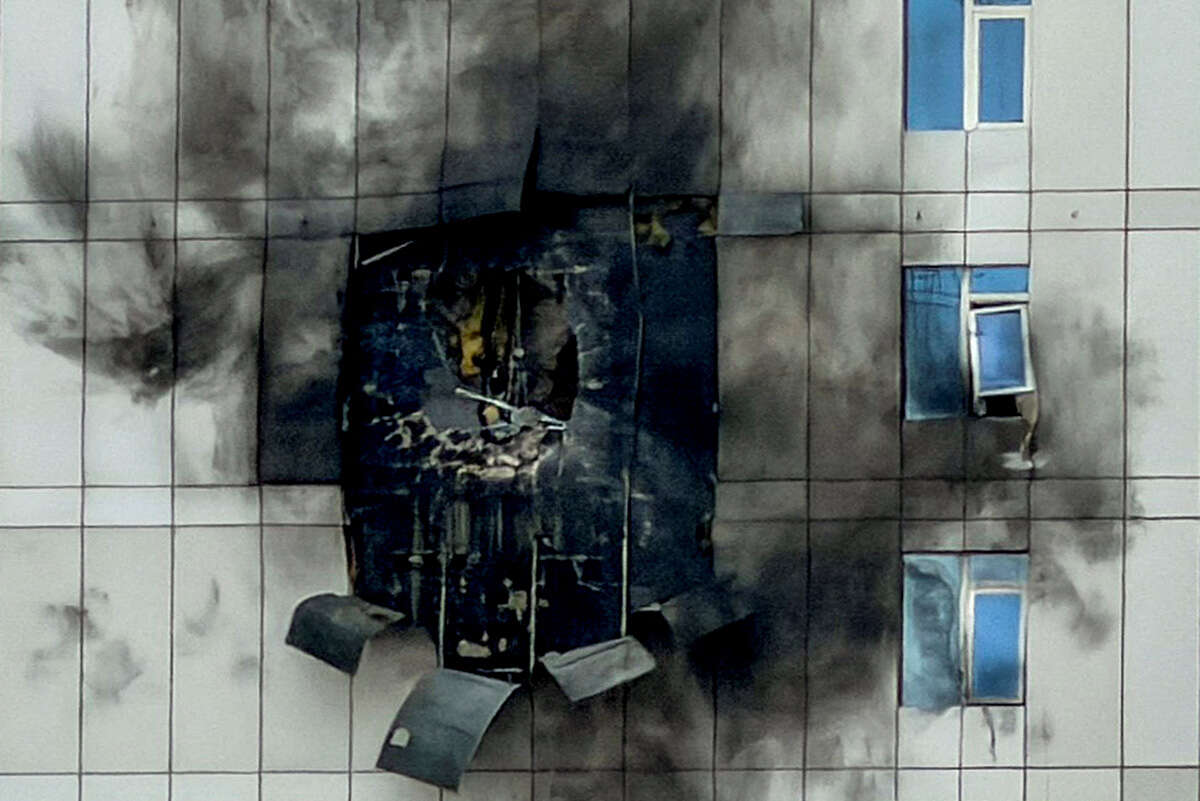
From the American point of view, the central objective has been achieved: Iran has been badly damaged, deterrence has been restored, and its ability to race quickly toward a nuclear weapon has been delayed. On the other hand, continued fighting would come with heavy costs: damage to the global economy, a surge in energy prices, pressure on markets and the risk of becoming entangled in a prolonged war.
Trump measures success through the economy and through the ability to project control. He does not want to be remembered as the president who dragged the US back into the quagmire of another Middle East war. From his perspective, the agreement is not an expression of naivety, but an attempt to end the campaign before it comes to define his term.
The chances that the US will return in the near future to a full military track are not high. The exchanges of fire in recent days have been taking place at a low profile, with both sides signaling that they do not intend to escalate. After the White House chose the diplomatic path and invested significant political capital in it, it is hard to see Trump reopening a broad campaign, unless Iran commits a blatant and clear violation.
Israel must manage the discussion from inside the room
Under these circumstances, Israel's challenge is how to influence the emerging understandings without being seen as trying to torpedo the process. On the two central issues, the Iranian nuclear program and Lebanon, the US is a key player, and its interests do not necessarily align with Israel's. On the nuclear issue, Israel could find itself excluded from the negotiations and lose influence precisely at the stage when the most important decisions are being made.
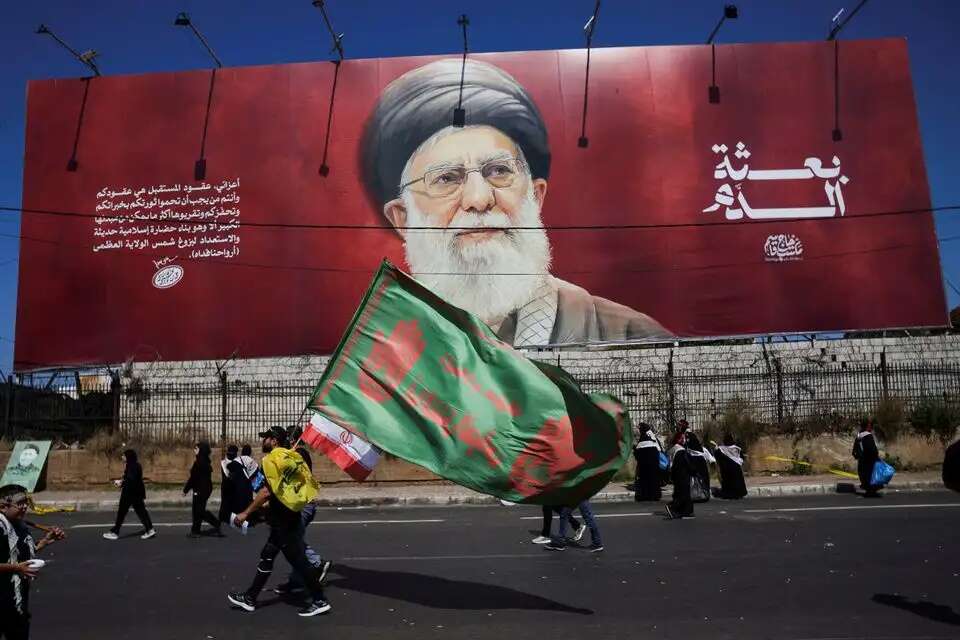
The Lebanese front is also sensitive. The agreement reached with American mediation illustrates the extent to which Washington views stability in Lebanon as part of the broader effort to reach an agreement with Iran. The administration sees a full agreement with Iran as a strategic goal and will not allow Israel to derail it. A public confrontation with Washington serves our enemies, first and foremost Iran. The more the administration becomes convinced that tensions with Hezbollah are endangering the arrangement with Iran, the greater the American pressure on Israel will be for restraint and concessions. Israel needs to be smarter rather than right, and avoid traps that would place it in confrontation with Washington.
Israel needs to conduct the discussion with Washington far from the spotlight. It cannot choose whether there will be an agreement, but it can still influence what kind of agreement there will be. To do that, it must be inside the room, not outside it.
Col. (ret.) Eldad Shavit is a senior researcher at the Institute for National Security Studies. He previously held senior positions in the IDF Military Intelligence Directorate and the Mossad, where he served as head of the Research Division.
Sima Shine is a senior researcher at the Institute for National Security Studies and former head of the Mossad's Research Division.