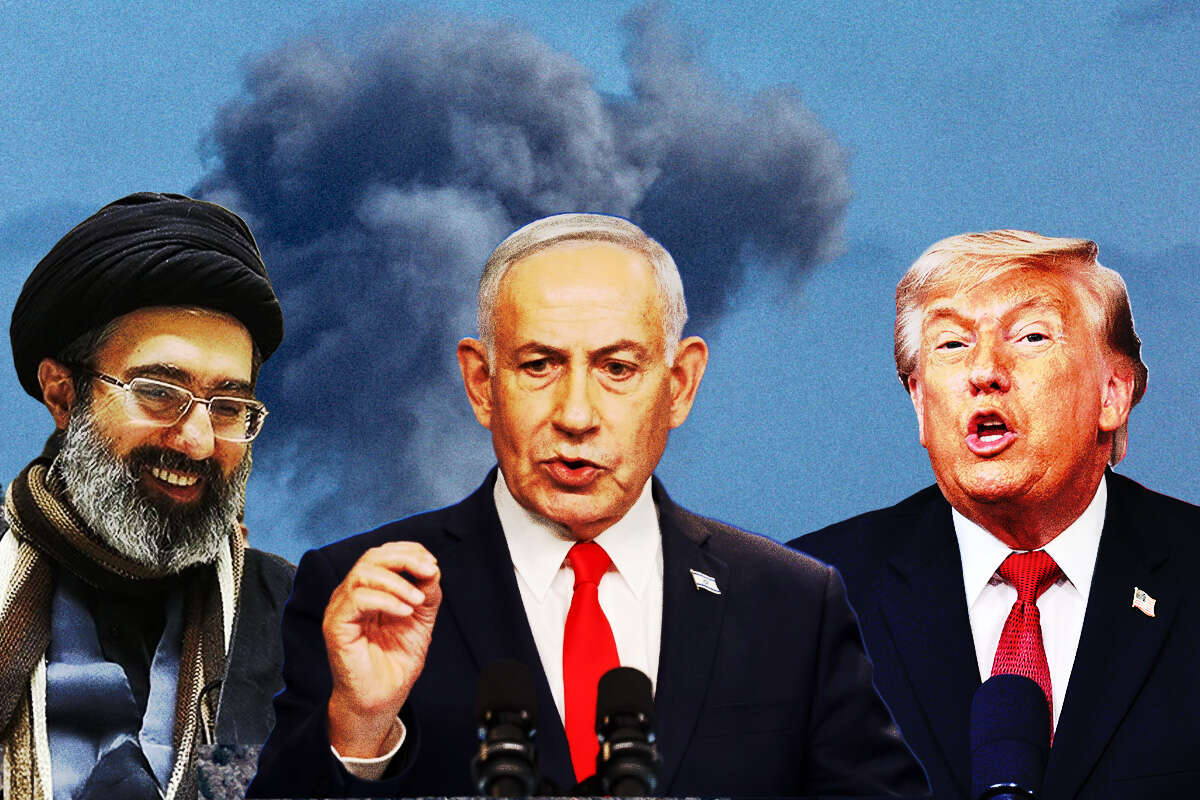
The 14-point framework agreement reached after the Roaring Lion war laid the groundwork for 60 days of negotiations aimed at securing a long-term settlement. At the same time, however, it planted the seeds of what has unfolded over the past two weeks: the "First Hormuz War."
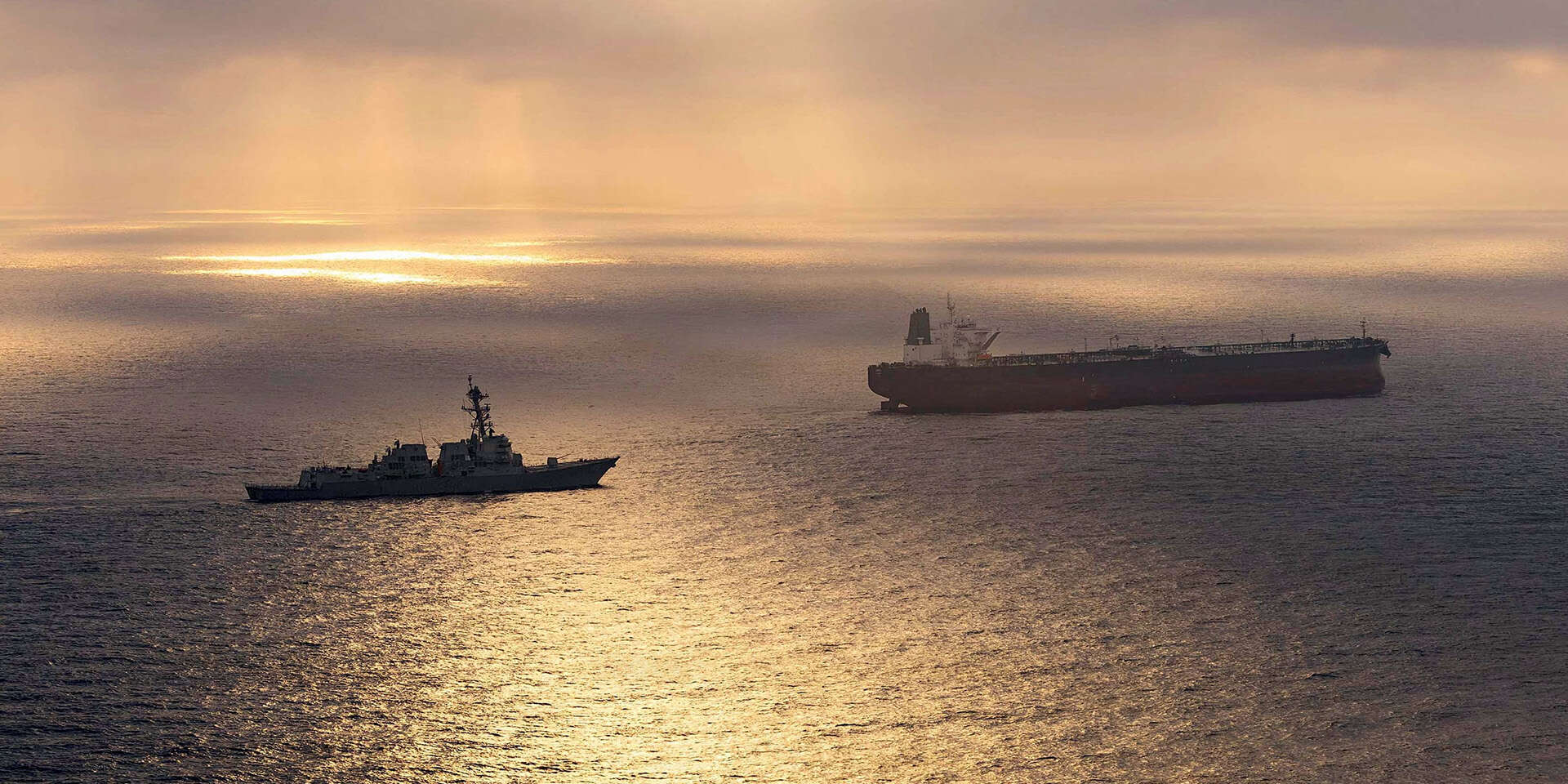
Many of the agreement's provisions are vague and largely devoid of substance, referring to mutual recognition of sovereignty and territorial integrity, including that of Lebanon. Its main focus is on the practical details of reopening the Strait of Hormuz and guaranteeing freedom of navigation through it, releasing frozen funds and permitting Iranian oil exports.
By contrast, the agreement says nothing about Iran's nuclear program, its ballistic missile capabilities or its ties to terrorist proxies across the region, foremost among them Hezbollah.
International achievements are secured through a combination of missiles, meaning military force, and words, meaning diplomatic negotiations. At times, as is happening now, the two operate simultaneously: Talks are continuing alongside daily and increasingly intense US strikes on targets and infrastructure in Iran.
Yet while the White House issues statements at least once a day emphasizing how badly Iran wants an agreement, it is clear that the United States wants one, no less.
The current campaign remains confined to the Strait of Hormuz. The US is mainly striking targets directly connected to the strait and freedom of navigation through it, while making occasional departures from that pattern to attack "soft" national infrastructure, such as bridges and railway lines. These strikes are intended as warnings of what could come next.
Iran, for its part, is responding by attacking US bases and targets in the region, including in Jordan and Saudi Arabia, but is refraining from taking action against Israel. Both sides are trying to preserve the campaign's unwritten boundaries: The US is not attacking major national infrastructure, while Iran is not directing its response at Israeli territory.
How much longer can this exchange of blows continue in its present form? That is an excellent question with no clear answer.
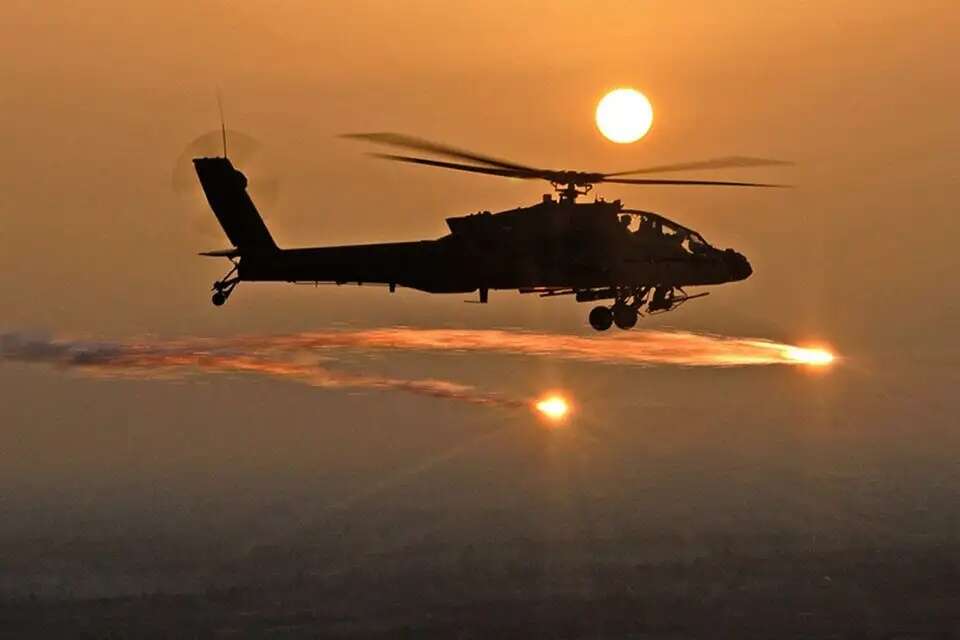
When will the war of attrition over Hormuz run its course and move into a new phase? The simple answer is when the parties announce that they are returning to the negotiating table, producing a lull until the next confrontation, which will undoubtedly come.
The more complex answer involves an escalation that broadens the campaign and returns the entire region to the situation that prevailed at the end of the "Lion's Roar" War in April 2026. Such a stage would necessarily involve direct Israeli participation.
Israel has so far adopted the correct, passive approach, although it would be advisable to tone down its belligerent public statements. Iran is well aware of the strength of the Israel Defense Forces and the Israeli Air Force. In this case, the principle that actions should speak louder than words is the right one.
Israel must now maintain a high level of readiness and alertness, allowing for an immediate defensive response and a rapid transition to offensive action if necessary. This requires precise, real-time intelligence, as well as continued coordination and direct communication with US Central Command and its forces in Israel and the wider region.
Three main scenarios could lead to direct Israeli involvement and a return to active combat:
An expansion of the US target set. A departure from the campaign's unwritten limits, involving an attack on an exceptional target such as a major nuclear facility, including Pickaxe Mountain, which was not addressed during any previous round of fighting, could compel Iran to broaden its response.
Expanding the range of targets to include Iran's nuclear program or ballistic missile project could give Tehran a pretext to bring Israel into the fighting.
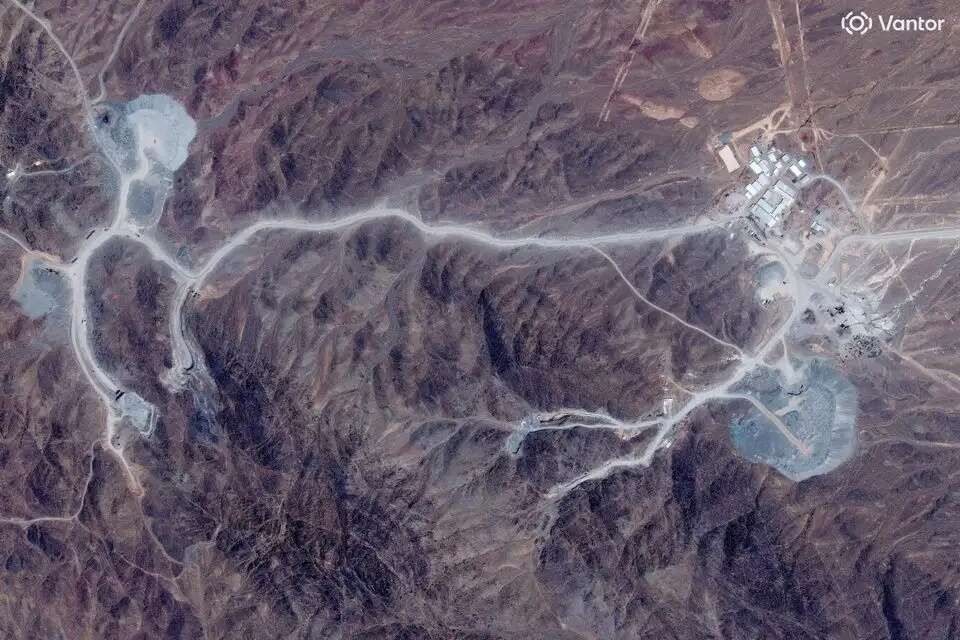
A miscalculation. Israel or Iran could misinterpret the other side's actions, with either seeking to strike first, achieve surprise and launch a pre-emptive attack.
Israel seizes an operational opportunity. Israel could identify an opportunity to inflict significant damage and complete the military achievements of the "Lion's Roar" War.
Such an operation would be launched at Israel's initiative, in coordination with the US, and would focus primarily on nuclear and ballistic missile targets.
Israeli deterrence
Iran has no interest in deliberately drawing Israel into the campaign, since it is fully aware of the offensive consequences such a step would entail.
Had Tehran wanted to do so, the locations of US bases and forces in Israel are well known and widely reported, including the presence of numerous aerial refueling aircraft at Ben Gurion Airport and Ramon Airport.
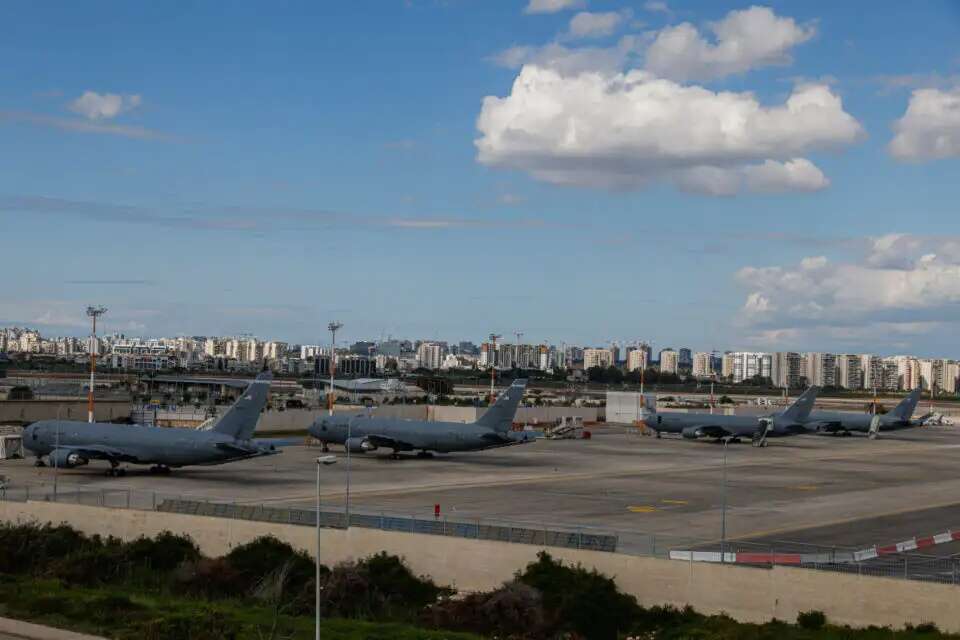
It is difficult to assess how the campaign will develop or how its current phase will end. What is clear is that this is merely another chapter in the continuing confrontation between Iran, the United States and the countries of the region.