Ahead of Prime Minister Benjamin Netanyahu's diplomatic visit to Washington, the Israeli defense establishment and decision-makers stand at a critical crossroads. Naturally, the strategic discussion with the American administration focuses on familiar issues – halting the Iranian nuclear program, preventing a renewed buildup of Iran's proxy network, and finding a response to the threat posed by the Iranian missile program.
However, while Israeli and American eyes look toward the battlefields, the smuggling routes, and the nuclear facilities in Natanz, Fordo, and Mount Mokhash, one must not ignore the most critical component that could tip the scales – the cumulative economic effect and deep internal fragility within Iran itself.
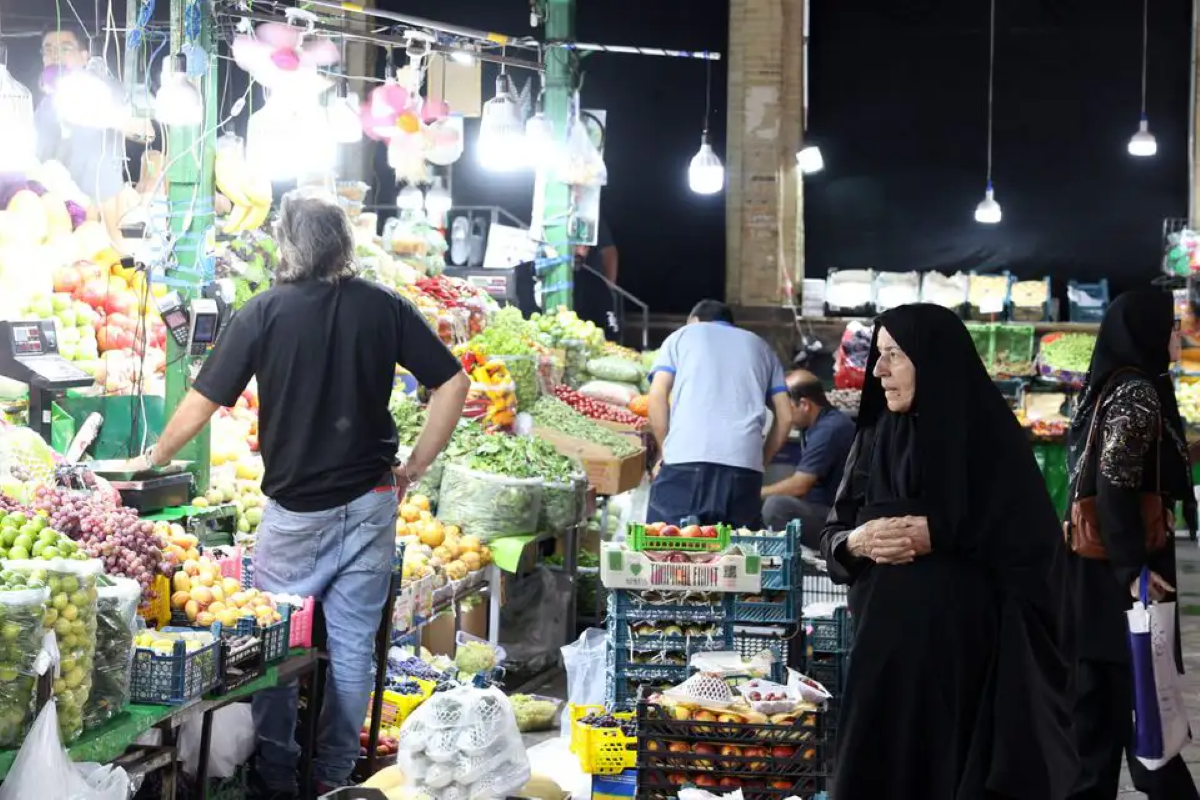
The reality in Tehran is far from stable. Beneath the regime's shell of regional and global threats, the Iranian economy continues to bleed. The damages of war and the naval blockade, the sanctions, alongside structural corruption and the massive investment of state resources into funding regional terrorism – whether in Lebanon, Yemen, or advanced weapons systems from Russia and China – are pushing the regime against the wall. These consequences do not remain at the macroeconomic level alone. They trickle directly into the pocket of the average Iranian citizen, who is daily losing purchasing power and trust in the system.
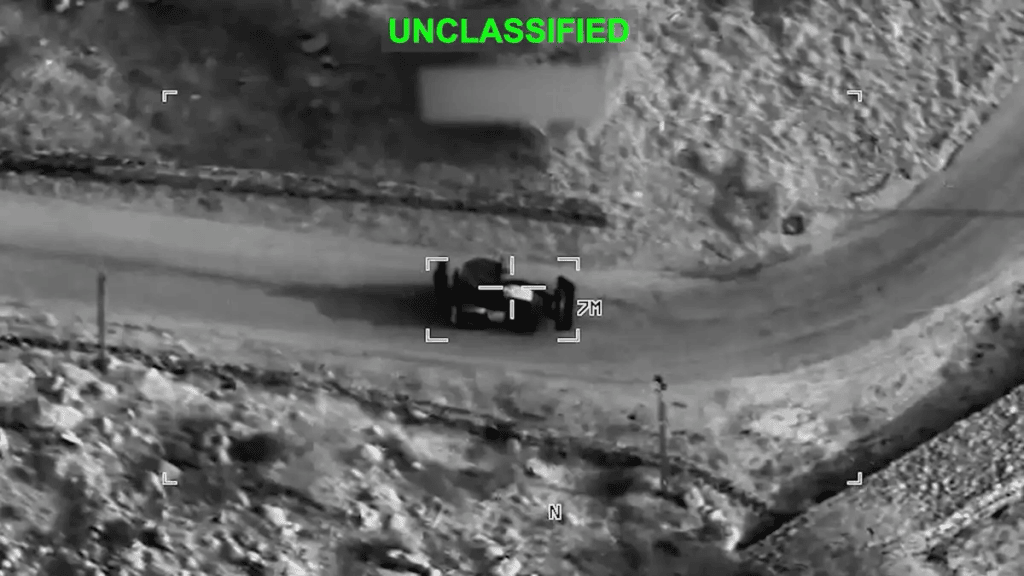
The regime's most significant vulnerability currently manifests in its plan to execute a sharp hike in fuel prices. This is a move it tried to avoid for years due to its immense public sensitivity. Raising fuel prices will create a dizzying effect in Iran, as it will also translate into price increases for transportation, basic commodities, and services. In doing so, it is expected to exacerbate the pressure on the Iranian public.
For the government in Tehran, the issue of fuel subsidies is not merely a budgetary question, but one of political life and death. The collective memory of the November 2019 events – when a sudden and drastic fuel price hike led to a nationwide wave of protests that was brutally suppressed through the killing of hundreds of citizens – still hovers over senior officials in the Iranian leadership.
The Iranian regime rightly fears that a similar step today, under conditions of extreme economic distress, surging unemployment, and memories of the massacre of thousands of demonstrators in the January 2026 protests, could reignite the fire in the streets. This could fuel a popular wave of protest that would take on massive proportions and destabilize the government in a manner completely different from any external pressure. Therefore, any Western strategy toward Tehran must take into account this internal boiling point.
The message that Israel must bring to Washington must be clear – applying heightened economic pressure and tightening sanctions are not merely punitive measures, but a primary strategic lever. The deeper the economic distress grows, forcing the regime to take steps dangerous to its own stability, such as raising fuel prices, the greater the internal pressure will be that forces regime leaders to turn their attention inward. The focus will shift to survival instead of exporting terror and regional subversion.
We must convince the American administration that the struggle against Iran must include intercepting the regime's economic lifelines. Combining active containment of its regional proxies with a deepening of Tehran's internal economic crisis – with all its explosive social implications – is the key to a genuine destabilization of the regime and the threat it poses to the entire Middle East.