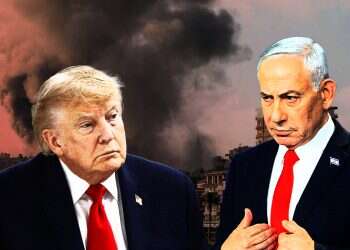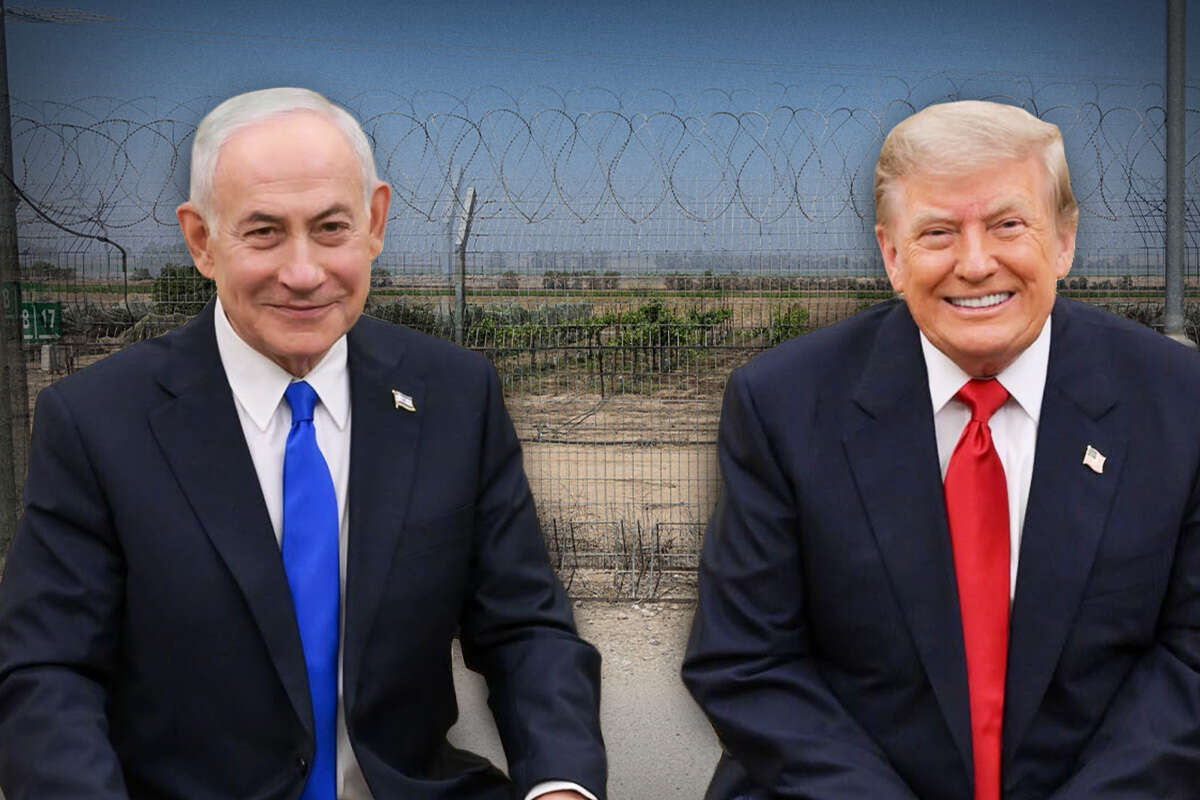
The most important matters "coordinated" between Prime Minister Benjamin Netanyahu and US President Donald Trump were not disclosed publicly after their 90-minute meeting ended.
Neither the official briefing for the Israeli media nor the hints provided to the American press revealed the substance of the understandings. The outcome of the meeting will instead become apparent in the United States' next steps against Iran's ayatollah regime. Despite reports ahead of the meeting, Israeli officials said Netanyahu did not present intelligence intended to draw the US into any particular military strike. They described the atmosphere as relaxed and friendly.
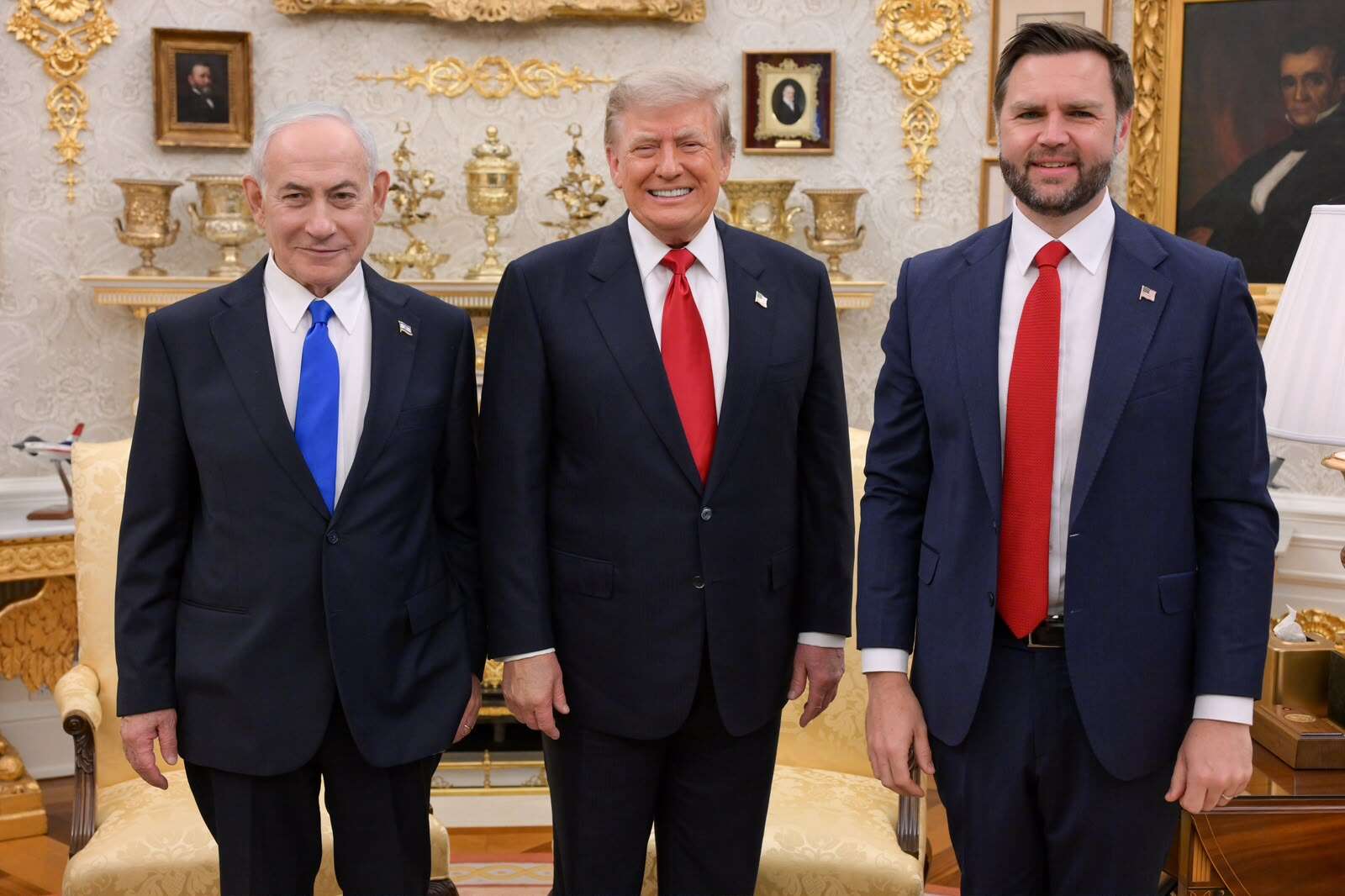
Trump not only praised himself as Israel's "No. 1 friend," but also lavished praise on Netanyahu. Members of the Israeli delegation were surprised to find that US Vice President JD Vance was also part of what they described as the meeting's "warm atmosphere."
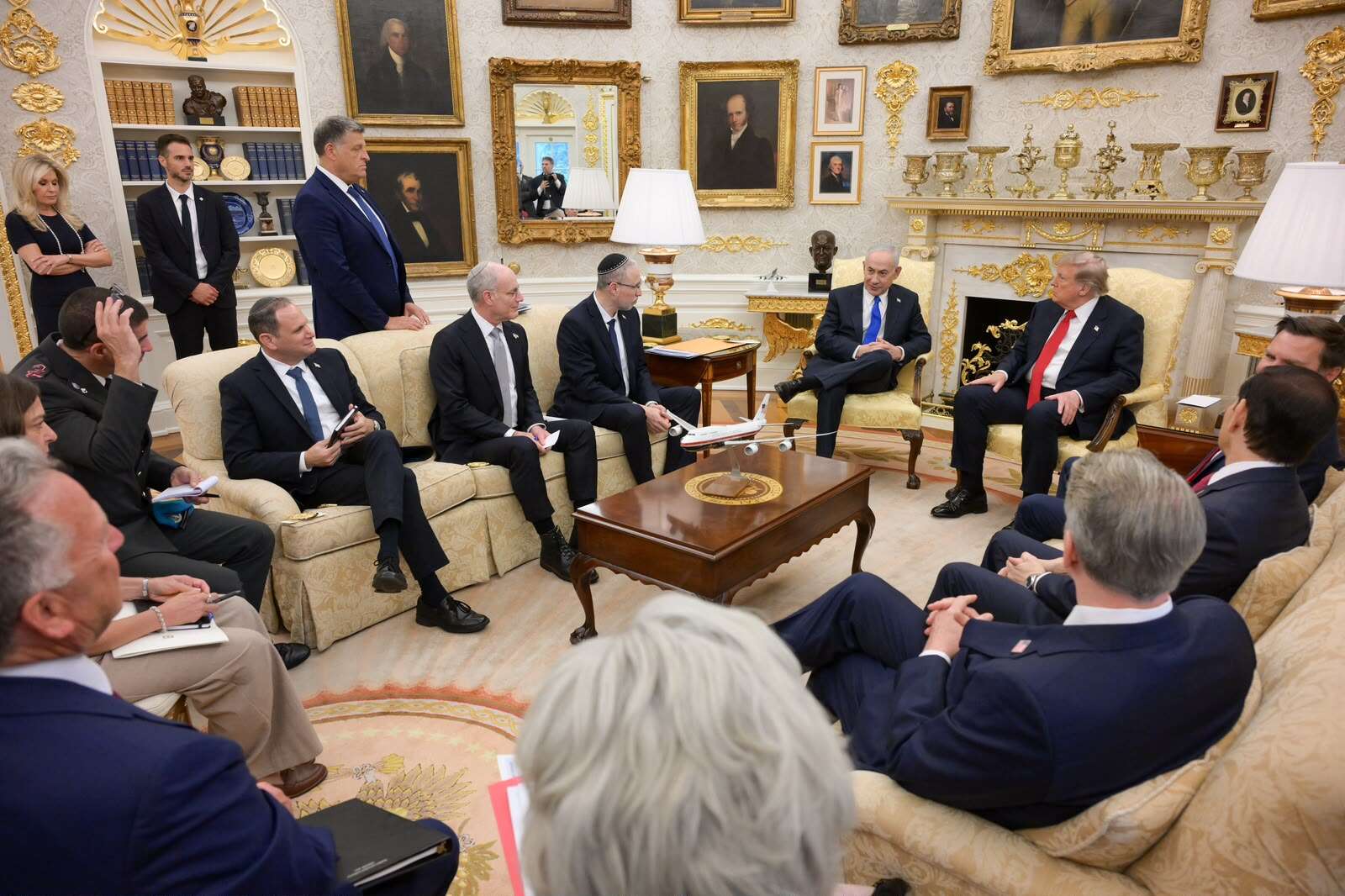
The tone of the meeting is an important part of the story. It was the eighth meeting between the Israeli prime minister and the US president, and it came at a critical juncture in the campaign against Iran. The substance of the talks naturally remained confidential, but all the central issues were discussed during a working session attended by Trump's expanded team and the delegation Netanyahu brought with him.
"The discussion was intensive and necessary, given the importance and timing," Israeli officials said. They noted that the two sides remain in constant contact by telephone, but that face-to-face meetings are also important because they allow complex issues to be raised directly.
The principal focus was preventing Iran from obtaining nuclear weapons, according to Tzipi Hotovely, head of Israel's National Public Diplomacy Directorate. Further inquiries, however, indicate that this does not mean Israel, or the US, has abandoned the broader objective of Operation Lion's Roar: creating the conditions for the fall of the ayatollah regime.
The goal beyond the nuclear issue
As long as Israel focuses the campaign on the nuclear issue, the war against Iran can be viewed as an ongoing confrontation with the regime, one that will have to resume whenever Tehran again approaches the ability to acquire weapons of mass destruction.
Coordination between the two sides centered on the nuclear issue, the minimum threshold of Israel's expectations from the campaign. Full agreement was reached with the Trump administration on that matter. It is therefore only possible to assess where the two leaders believed "closer coordination" was required in relation to the broader goal: creating the conditions for the regime's downfall.
US measures are now pushing Iran and its ruling regime deeper into an intensifying economic crisis. The fuel shortage is another sign of mounting pressure and of the country's possible approach toward a new domestic breaking point.
If economic pressure on Iran continues at its current level, without easing the grip on the regime and without offering concessions of the kind described in recent reports, such as payments for ships passing through the Strait of Hormuz, the decisive moment could be brought closer. The central question is how long Trump will be prepared to sustain that pressure with the US midterm elections approaching, and how long Netanyahu will do so with Israel's election drawing near.
From Lebanon to Saudi Arabia
Alongside the main discussion on Iran, the two leaders and their expanded teams also addressed broader Middle East issues, ranging from Israel's presence in Lebanon, Gaza and Syria to the possibility of expanding the Abraham Accords to include Saudi Arabia.
Hotovely said Israel had not faced pressure to relinquish its gains anywhere in the region. In other words, an Iranian demand that Israel withdraw from Lebanon as part of Tehran's negotiations with Washington has repeatedly been rejected outright.
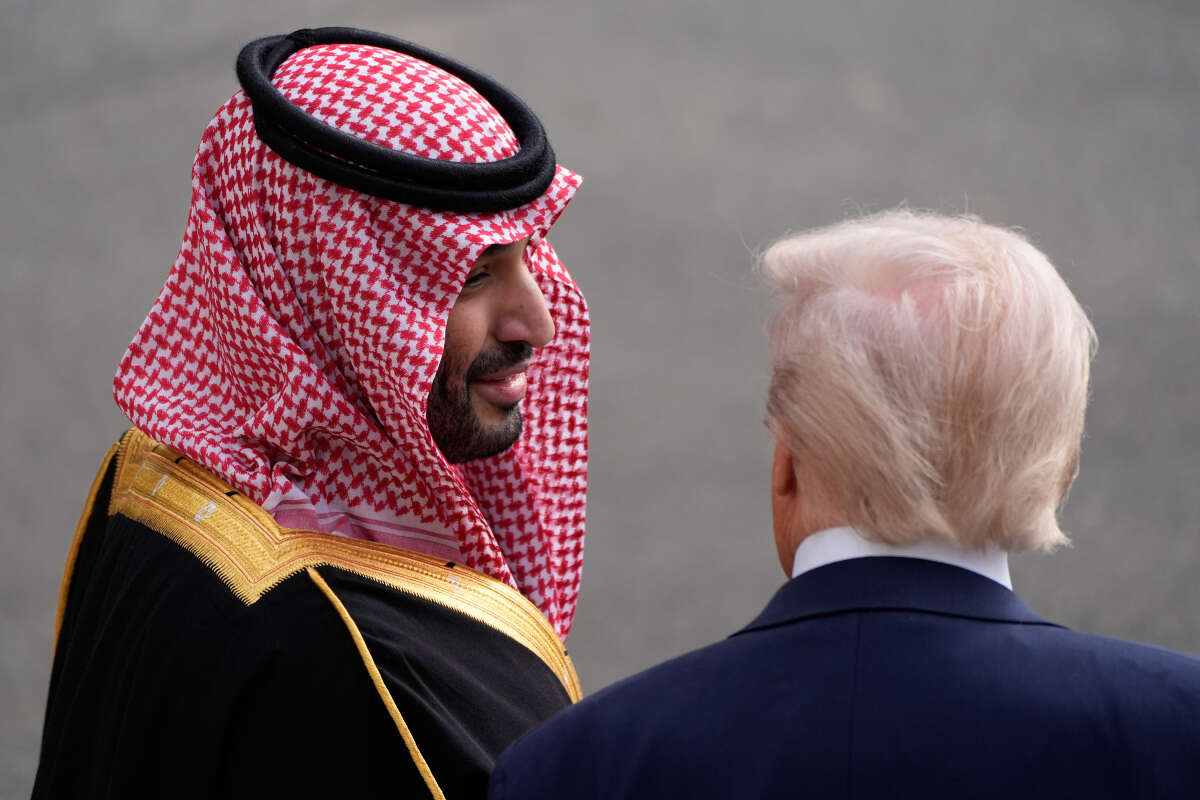
Alongside preserving Israel's regional achievements, progress toward expanding the Abraham Accords to Saudi Arabia depends on the price Riyadh is demanding, namely a civilian nuclear program. Israeli officials have not explained how Netanyahu intends to safeguard Israel's security interests on that issue.
Of all the balls Netanyahu was juggling in the room with the president, Iran, Gaza, Lebanon, Syria, a new US-Israel security assistance agreement and a diplomatic agreement with Saudi Arabia, none appears to have dropped. For now.
Israel's message is one of closer and complete coordination, yet the American message is expected after the media-loving US president departed from his usual practice and did not invite reporters into the Oval Office to ask questions. Barring any surprises in the coming days over what took place behind closed doors, Netanyahu can hope that Trump will wrap up the achievements he needs on every front and deliver them to him in a shiny package ahead of Oct. 27.