In recent weeks, it appeared the Iranian regime had understood and internalized that the West, particularly the US, has the upper hand when it comes to oil exports from the Middle East and the opening of the Strait of Hormuz. Every day, more tankers carrying oil from Gulf states to various consumers made their way through, while Iran, under blockade, failed to export oil, receive payments, or import the goods it needs.
The US announced it had cleared most of the Gulf and the Strait of Hormuz of mines, preventing Iran from planting more, and also prevented attacks on tankers, whether by satellite surveillance or by neutralizing the threat in advance. In addition, the southern route, closer to Oman's coast, looked promising for shipping, and dozens of tankers made their way in and out of the Gulf.
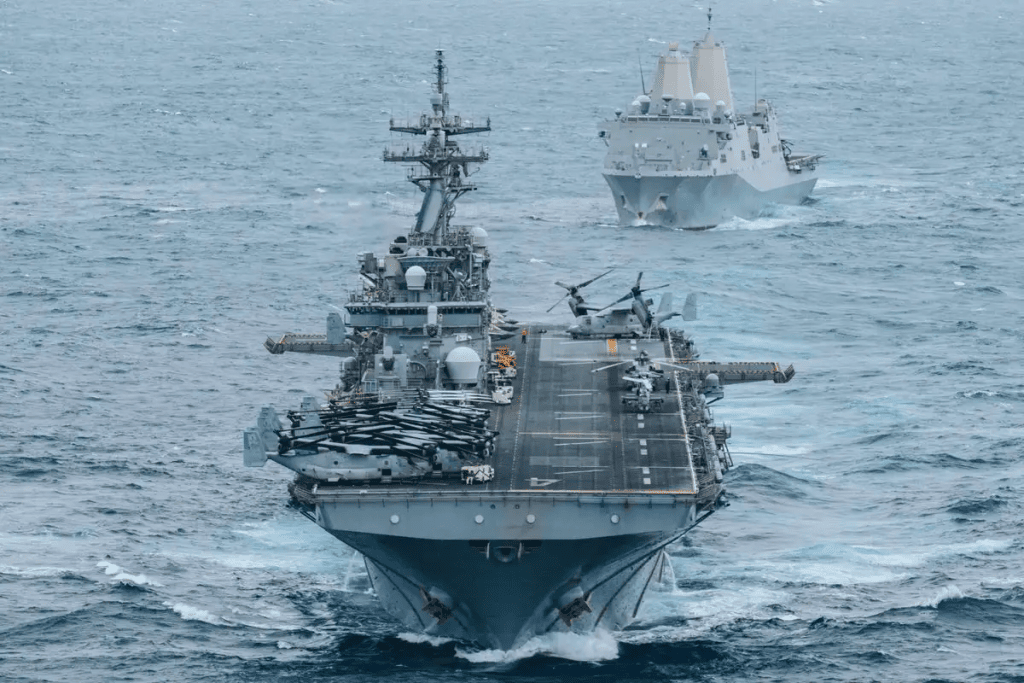
But in recent days, that calm was shattered. Iran, unable to tolerate the American and neighboring dominance over control of the strait, launched a series of attacks that triggered sharp American responses, to the point of the US firing dozens of missiles at Iranian targets, and in turn, Iran firing roughly a hundred missiles at American targets, as well as at Middle Eastern countries such as Jordan, Kuwait, and Bahrain, focusing on American bases.
It should be emphasized that Israeli deterrence has again proven itself, and the Iranian regime, aware that Israel would go after the heads of those responsible for any potential attack against it, rather than focus solely on infrastructure and buildings, has so far refrained from attacking it.
The Iranian regime exploited the expanded American strikes on its territory and "retreated" once again into the role of the ultimate victim, claiming Americans had struck wedding guests, a story well known from the era of American control in Afghanistan and other regions, in order to win sympathy from local and global public opinion. The Revolutionary Guards, for their part, promise in statements published every few hours that this time, the revenge will be far harsher.
The paper is worth more than the cash
But the main question is whether Iran can even afford to keep standing up to the well-oiled American machine, at a time when the pressure is heavier than ever.
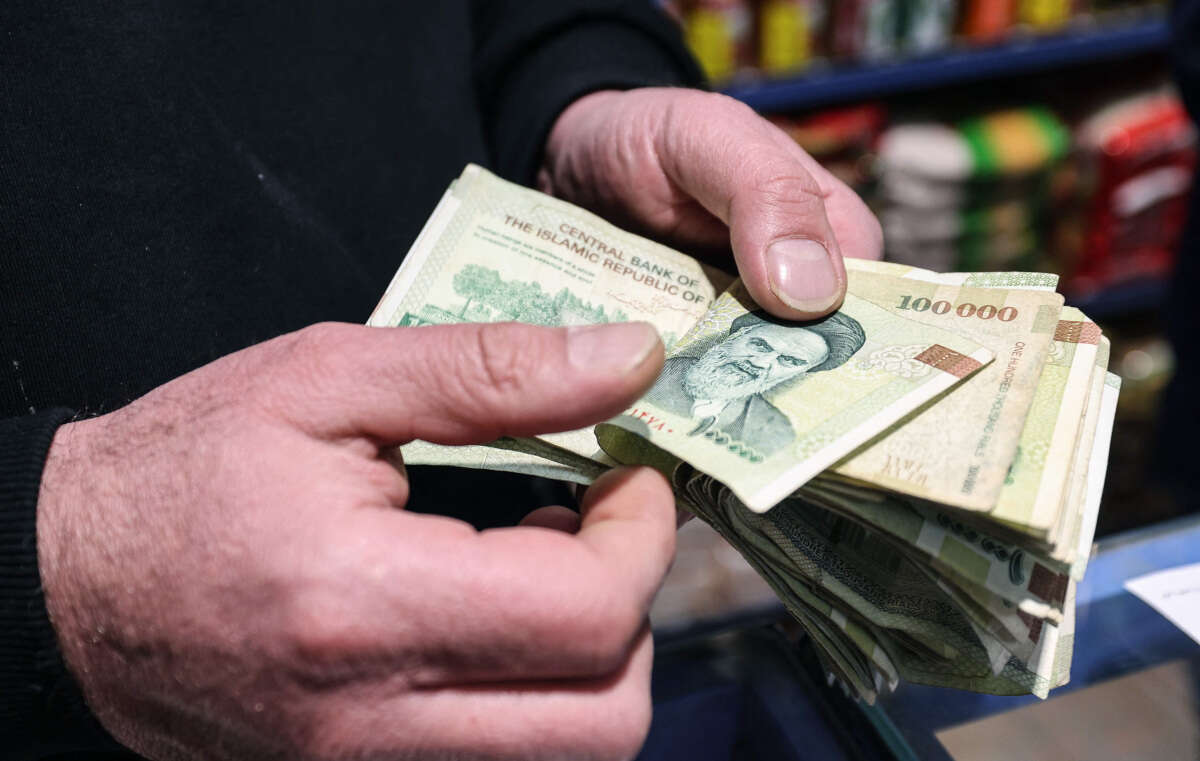
The dollar keeps breaking records against the Iranian currency, reaching roughly 2.15 million rials, to the point where the paper the bill is printed on is worth more than its face value. The Iranian public is angry and disgruntled, and economically driven protests are already taking place in scattered locations across the country, similar to the days that preceded the major protest movement last January.
Under such conditions, it's hard to see how Tehran can keep pursuing its policy of resistance, waging a war close to home, while also funding Hezbollah, the Houthis, and the Shiite militias in Iraq.
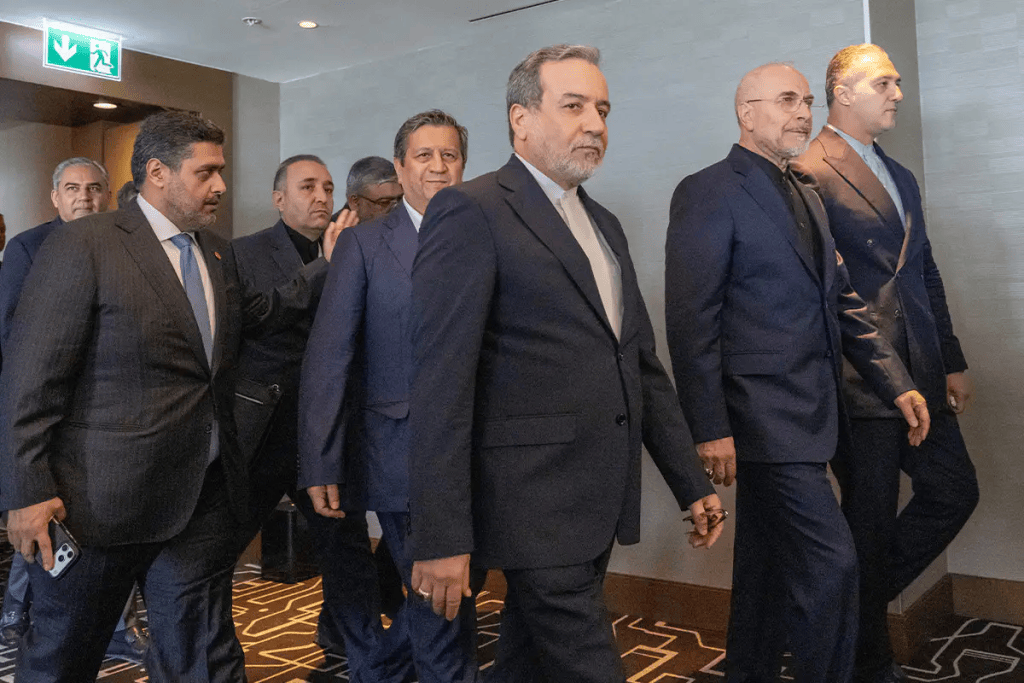
The answer, based on the raw numbers, is no. Iran is suffering severely from the prolonged war, both domestically, where even security officials express anger over their situation and unpaid wages, and abroad, where it cannot compete with the American war machine and keeps clinging to the same single plan, trying to inflict enough pain on the other side that it might give up and retreat home. But as is well known, American interests won't allow that.
This has gone so far that in a recent interview, a senior Iranian official said even China, Iran's only economic ally, has demanded it open the strait, stop threatening tankers, stop collecting transit fees, and put an end to its hostility toward Saudi Arabia and the US.
China has roughly $600-700 billion in trade with the US, and it won't sacrifice that for a mere $10 billion in trade with Iran. China and Russia have for years used Iran as leverage against the US, and when that leverage loses its use, or when a better deal comes along, they'll abandon Iran, as other powers have done in other eras.
Hubris or surrender
The Iranian regime apparently has no choice but to surrender to the US within a matter of months, or else the economic collapse combined with outside pressure could force the regime to pay a heavy price, ranging from a partial collapse to a complete one (pockets of resistance holding out alongside a violent transition period). These days, even some senior Iranian officials are embezzling large sums of money in their possession and fleeing with the cash to the West.
Still, the hubris of the aging generals remaining in power, who replaced their predecessors eliminated by Israel, is preventing them, for now, from seeing the dangerous reality and changing course, something that, as noted, could cost them a total collapse.