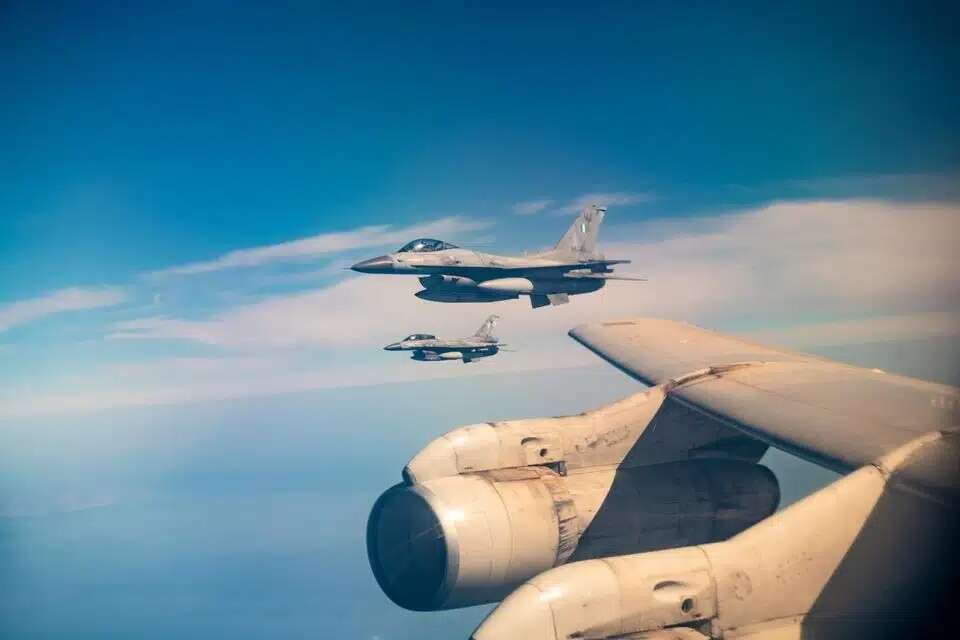
Barring any last-minute surprises, Israel and Greece are set to sign a historic defense agreement Monday that amounts to nothing less than a geostrategic earthquake.
The two countries will sign what is expected to be the largest Israeli defense export deal in the country's history: the €3.1 billion ($3.6 billion) Achilles' Shield project, approved in Greece about a month ago.
Greece is moving away from its aging Russian and European systems and entrusting the defense of its skies, from Athens to the popular tourist islands of the Aegean Sea, to three advanced Israeli missile-defense systems. Anyone following today's threat map understands that this is more than a military procurement deal. It represents a reassessment of the regional balance of power.
The diplomatic and strategic significance of the agreement extends far beyond the Mediterranean. In recent years, a Sunni alliance has been taking shape among Turkey, Egypt, Saudi Arabia and the Gulf states, seeking to set the tone in both the Middle East and the Mediterranean basin.
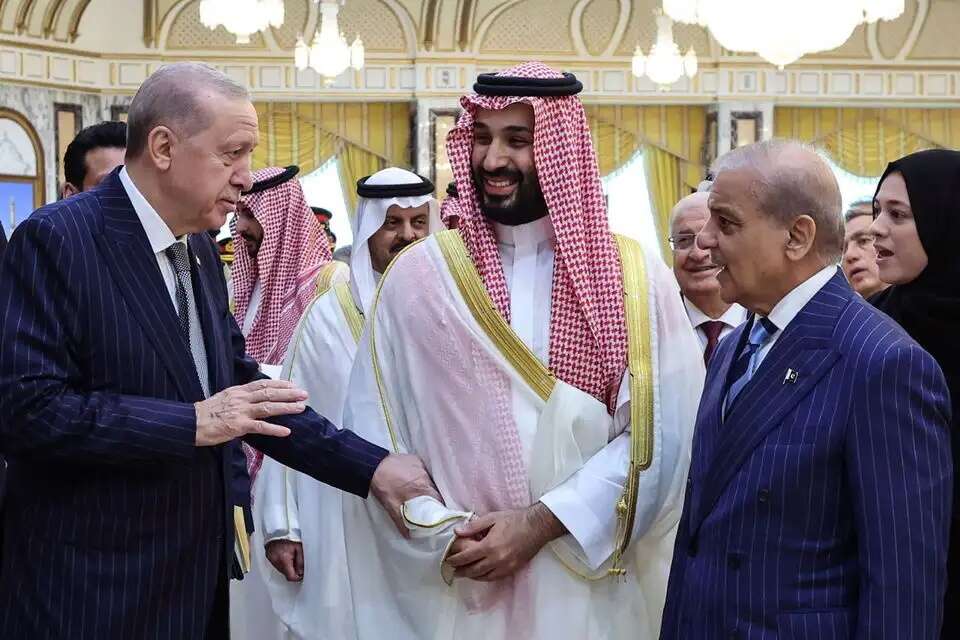
Relations among these countries were once characterized by bitter internal power struggles, including Turkey's support for the Muslim Brotherhood in opposition to the Egyptian and Saudi governments. Recent years, however, have seen a broad reconciliation process driven by critical economic and security interests.
This emerging Sunni alliance seeks to establish overwhelming influence in the Middle East and the Mediterranean basin, both as a counterweight to the Iranian-led Shiite axis and as a means of reducing Western and Israeli influence in the region. The military buildup of these countries, led by Turkey's expanding drone and missile industry and Egypt's massive naval acquisitions, is creating a formidable regional power complex.
Against this axis, close operational and technological cooperation between Jerusalem and Athens provides a powerful counterweight. Together with Cyprus, the third side of this triangle, a significant barrier is emerging to Turkish expansionist ambitions.
For Greece, the agreement provides a direct response and an effective deterrent to the territorial ambitions of Turkey and President Recep Tayyip Erdogan. Although both countries are members of NATO, Greece faces a persistent threat from Turkey, which disputes Greek sovereignty and claims over a number of islands. Turkey also invaded Cyprus in 1974 and has occupied the northern part of the island ever since.
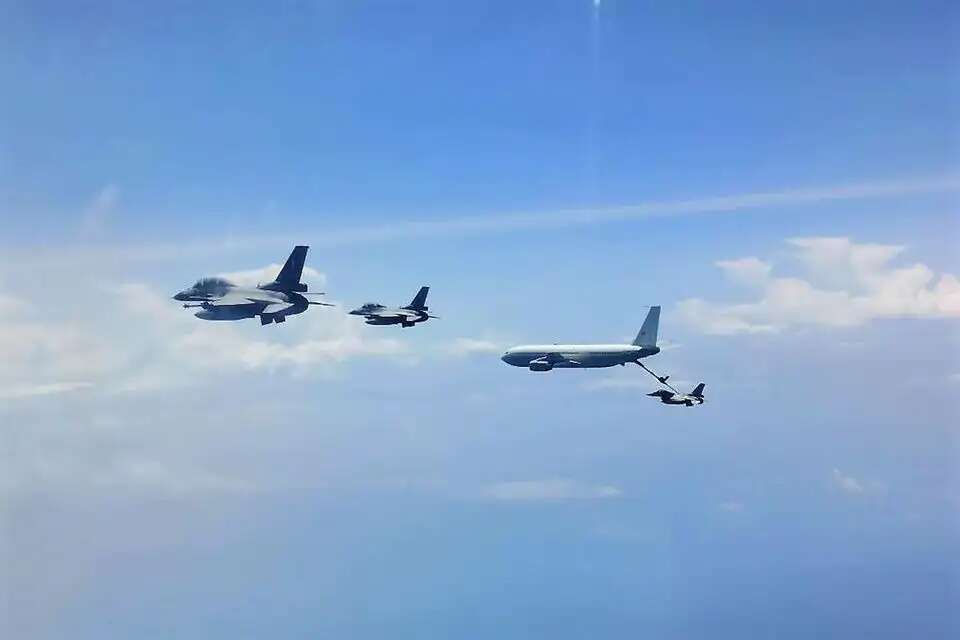
Turkey possesses an arsenal of domestically produced ballistic missiles, including the Tayfun, along with a vast fleet of attack drones from the Bayraktar family, posing a threat to Greek sovereignty over the islands. Achilles' Shield sends a clear message to Ankara: The skies over the Aegean are becoming far less penetrable than Turkey may have assumed.
For Israel, the diplomatic and economic value is enormous. A NATO member is choosing to replace Russian systems such as the S-300 and Tor-M1 with Israeli-made defense technology, cementing Israel's position as a technological superpower precisely at a time of intense diplomatic pressure.
Achilles' Shield is not an isolated development. It is another link in a chain of enormous deals that are overturning familiar assumptions. In recent years, an intriguing, almost hypocritical dissonance has emerged in Europe's relationship with Israel. While loud voices in the political, academic and cultural worlds condemn Israel, promote boycotts and advocate distancing Europe from Jerusalem, existential interests prevail when it comes to security. European leaders understand that in the new geopolitical reality, Israeli technology can make the difference between maintaining sovereignty and losing it.
That trend has already been reflected in two groundbreaking deals preceding the Greek agreement:
• Germany's Arrow 3 project: The historic multibillion-dollar deal, worth about $3.5 billion when initially approved, under which Berlin acquired Israel Aerospace Industries' exoatmospheric missile-interception system. Germany has made the Israeli Arrow system a central component of the European Sky Shield Initiative, designed in response to the Russian threat.
• Finland's David's Sling deal: After joining NATO and facing a tense 1,300-kilometer (808-mile) border with Russia, Helsinki selected Rafael's David's Sling system, in a deal worth about €317 million, to defend its skies against ballistic missiles and advanced cruise missiles.
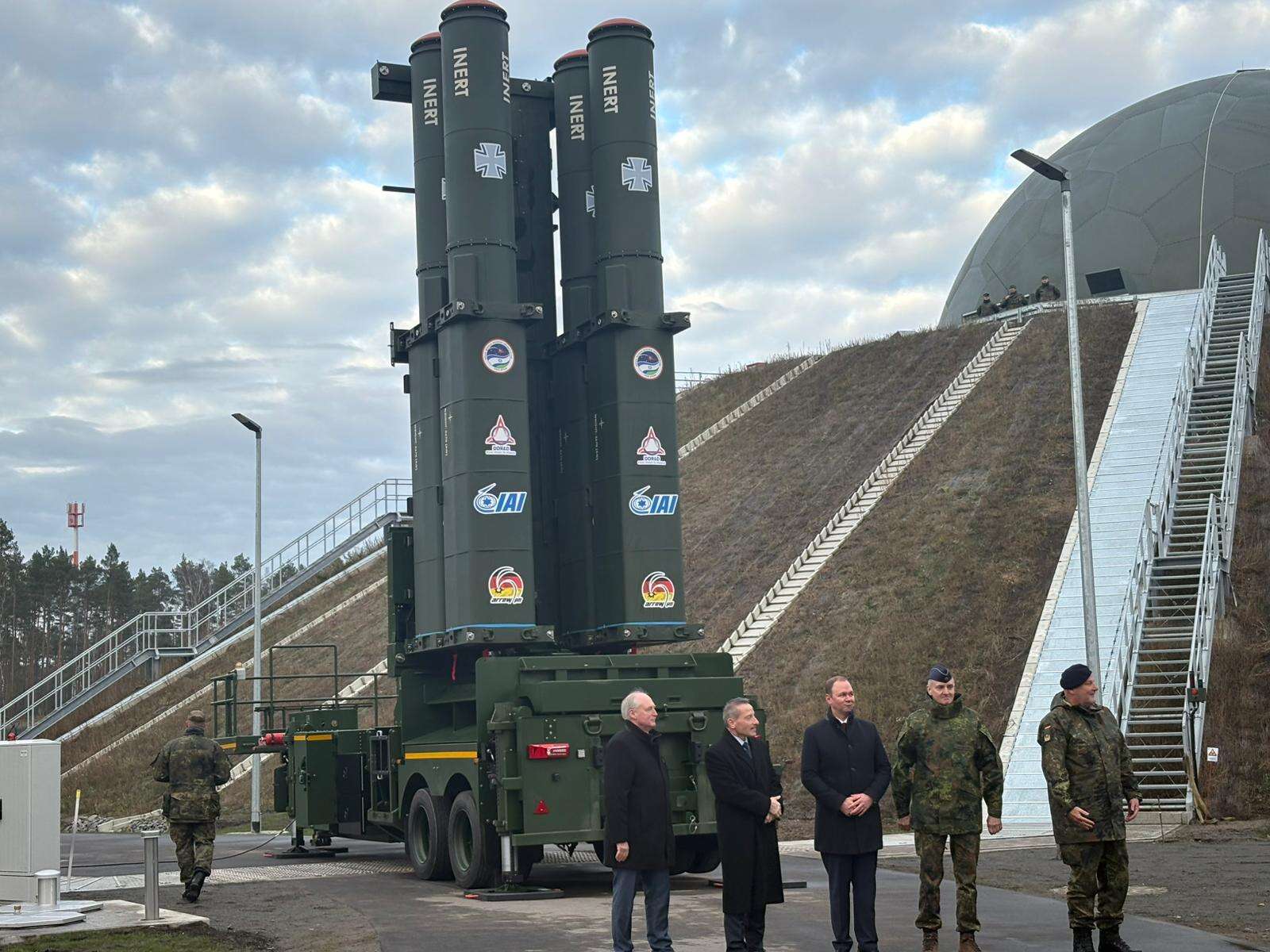
The reality on the ground shows that Israel's defense export market has not only avoided damage, It is enjoying an unprecedented boom. Israel's combat-proven experience confronting complex threats across multiple fronts during a war that has lasted nearly three years has turned the Israeli defense industry into something Europe increasingly regards as a strategic necessity it simply cannot afford to boycott.
The Israeli model
At the heart of the Greek project is a conceptual transformation that effectively imports the Israeli Air Force's multilayered defense architecture into the Hellenic Air Force.
The Israeli systems and some platforms already operated by Greece, including the US-made Patriot system, will be connected through a single nationwide command-and-control center using artificial intelligence. The system will analyze threats in real time and recommend the most effective and cost-efficient interceptor for each target.
The agreement comprises three distinct defensive layers integrated with Greece's existing Patriot batteries:
• Upper layer, long-range and ballistic missile defense: David's Sling. Developed by Rafael Advanced Defense Systems, the system has demonstrated formidable interception capabilities against ballistic missiles, cruise missiles and heavy rockets. It will serve as Greece's primary line of defense against long-range strategic threats.
• Middle layer, regional and multidomain defense: Barak MX. Israel Aerospace Industries' flexible system is capable of engaging fighter aircraft, helicopters, drones and missiles at varying altitudes and ranges. It will provide area defense for bases and other strategic sites. The agreement also includes rocket motors manufactured by Israel's Tomer company.
• Lower layer, point defense and the drone threat: SPYDER. Rafael's fast, mobile system is designed to intercept low-flying aircraft, drones and loitering munitions. Its batteries will be deployed at strategic sites and across various Greek islands to defeat rapidly emerging threats.
The Israeli radar network incorporated into Achilles' Shield is intended to provide Greece with an unprecedented operational response to threats from the east through three principal technological capabilities. The first is the elimination of blind spots created by the topography of the Aegean. Deploying mobile ELTA MMR-series radars, of the type used with Iron Dome and David's Sling, along Greece's eastern island chain can help overcome the limitations created by line of sight and mountainous terrain. The radars can generate a continuous low-altitude aerial picture, reducing the ability of attack drones or cruise missiles approaching from the east to "sneak" beneath conventional radar coverage.

The system is also designed to confront drone swarms and saturation attacks through active electronically scanned array, or AESA, radar technology. Unlike older rotating radars, AESA systems electronically direct large numbers of beams, enabling them to track hundreds of targets simultaneously with high precision, including objects with extremely low radar signatures such as small drones, and classify them fast enough for interception systems to respond.
The network also provides early warning against high-speed ballistic missiles. Long-range radars integrated with the David's Sling layer can detect ballistic missile launches hundreds of kilometers inside territory to Greece's east. That early detection can provide the Greek military with precious additional warning time, enabling the system to calculate a missile's trajectory accurately and launch an effective interceptor before the threat approaches populated airspace.
The agreement will channel enormous sums into Israel's defense industries, while also providing substantial benefits to Greece's domestic economy, a provision intended in part to secure political support for the project. Under Greece's demand for access to source code and independent maintenance capabilities, Greek defense industries are expected to account for about 25% of the project's value through local production. Around 12 Greek companies are expected to join the program as subcontractors and receive work worth more than €700 million.
Achilles' Shield is compelling evidence that on the modern battlefield, proven operational experience and cutting-edge technology can override politics. Within 35 months, Greece is expected to complete a sweeping transformation of its air-defense architecture. The built-in interoperability of Israeli technology will give Greece greater strategic security and Israel a genuine partner armed from head to toe with Israeli technology at the heart of the eastern Mediterranean.