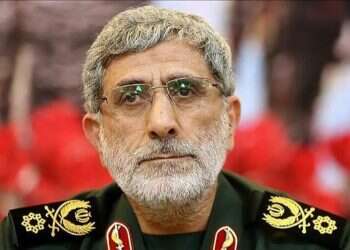
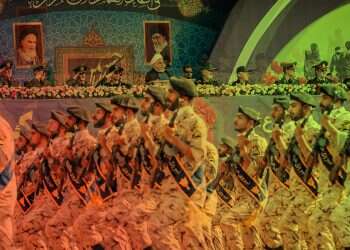
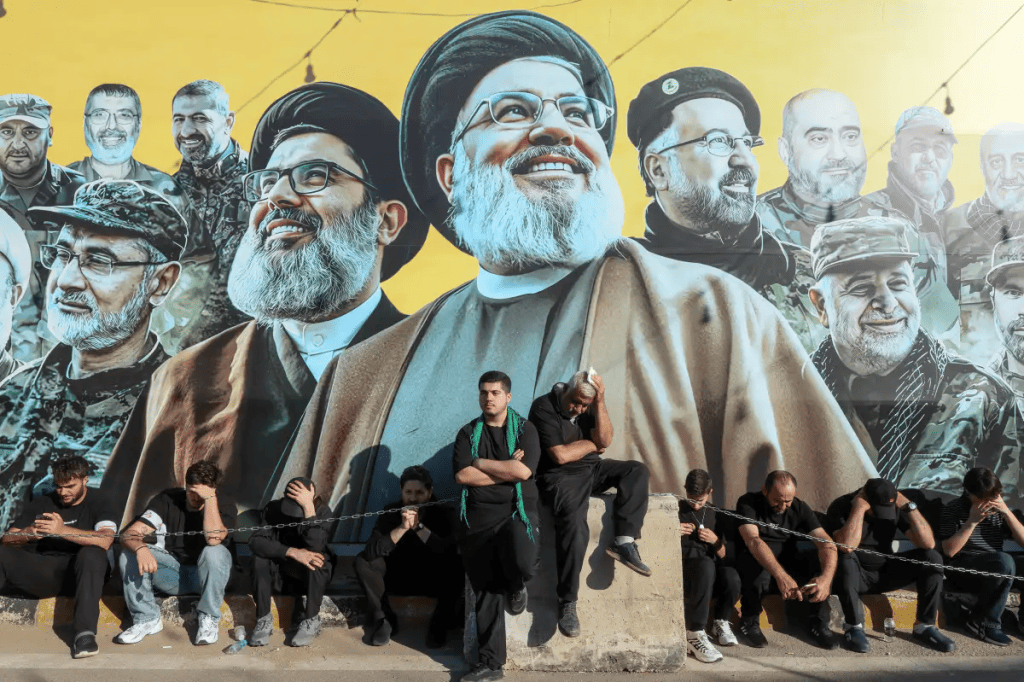
Israel has increasingly assessed that Iran, backed into a corner by the economic siege against it, will lead an escalation via Hezbollah in the coming weeks.
Security and intelligence officials say the Iranians remain wary of reigniting a full-scale war and are therefore hesitant to strike Israel directly. However, they are expected to activate Hezbollah. The goal is to disrupt daily life, harm holiday events, and derail talks between Israel and the Lebanese government. Hezbollah launched two explosive-laden drones at IDF forces on the Ali al-Taher ridge (a hilltop area in southern Lebanon), though it remains unclear at this stage whether this was a localized incident tied to the IDF's siege on the ridge or an escalation directed by Iran.
Should the escalation scenario materialize, Israel will need to decide how to respond and where, whether against Hezbollah alone, in Dahieh specifically, or perhaps even against Iran, which is directing the effort.
According to one of the Israeli officials, the matter is being discussed with the United States at both the diplomatic and military levels, and close cooperation and coordination form part of any Israeli response. Meanwhile, Iran has confined itself to attacks on Bahrain, Jordan, and Kuwait, whose defensive and diplomatic capabilities are weaker than those of their Gulf counterparts.
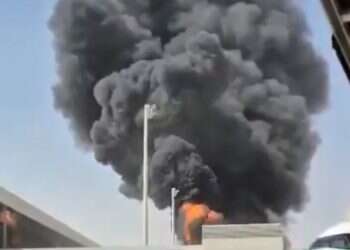
The situation in Hormuz remains complicated. Iran is under an airtight siege, and the US has succeeded only partially in moving tankers through the Omani route in the strait. Iran managed to strike at least one tanker Tuesday night, killing two crew members. However, the Americans insist the effort is succeeding and that tankers continue to depart.
Meanwhile, inside Iran itself, the economic crisis continues to worsen. The Iranian rial fell to a new record low of roughly 2.2 million rials to the US dollar, continuing the sharp decline that accelerated over the past two weeks since Washington announced the start of the economic war. Prices of basic goods rise daily, and Iranian social media is flooded with "empty pot" videos and harsh accusations against the regime. One video that reached millions showed a uniformed police officer, a station commander, holding an empty pot while sharply attacking the regime and its indifference to the situation.
"We've all become poor because of the war"
I held a conversation Tuesday, through a third party, with an Iranian citizen from Mashhad, a government employee and father of two high schoolers. Here is a summary of his answers: "It's first of all a matter of basic needs that I can't provide for my family. We haven't eaten meat in weeks, chicken once a week, and mostly rice with very few side dishes on the table. The car sits by the house because there's no fuel, and I don't have extra money to buy it at the inflated black market price.
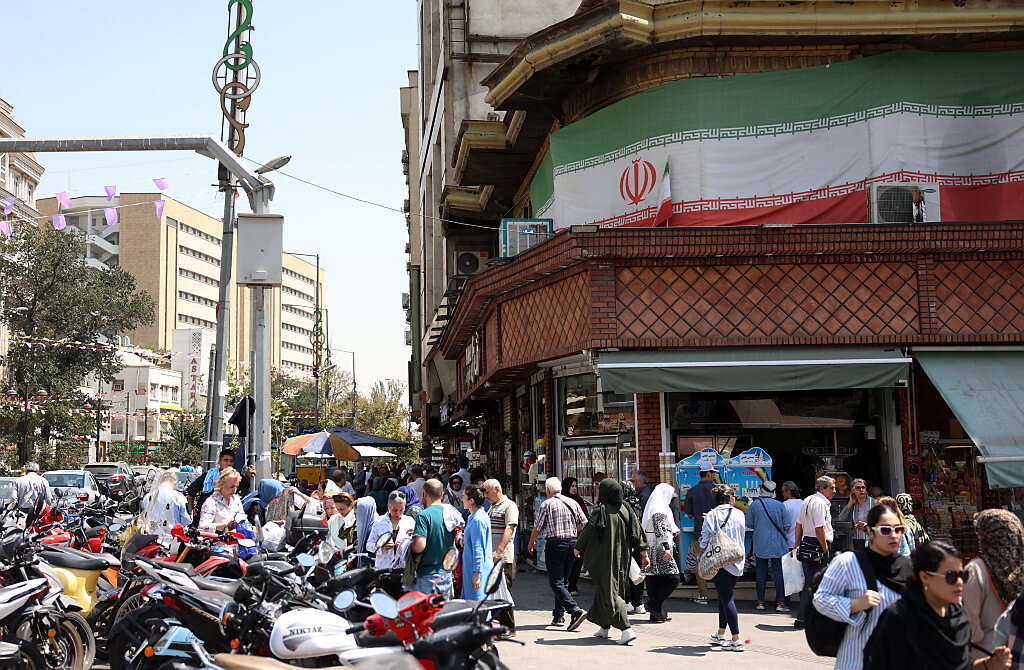
"Public transportation is mostly paralyzed because there's no diesel for the buses, and I walk to work, almost an hour each way. People are selling everything they have to fund food and medicine, and I keep getting requests from family and friends to help them. We've all become poor because of the war, and in practice, the government barely exists.
"Crime is rising too, mostly small thefts from food stores by hungry people. Even those who principally support the regime, and there are many, no longer have arguments to justify its conduct. Why, in God's name, don't they close the deal with Trump? They already reached an agreement with him. In the current situation, it's no longer about supporting or not supporting the government's policy on the nuclear issue or Hormuz; nobody cares about that anymore; people are just trying to survive. When the people feel they can't take it anymore, change will happen."
US Treasury Secretary Scott Bessent said Wednesday that as part of expanding economic measures against countries and companies with ties to Iran, Washington is considering imposing sanctions on airlines, maritime activity and digital assets. "We're having intensive conversations with everyone who supports Iran," Bessent said in an interview with Fox News, adding that Washington "will systematically eliminate bad actors." A diplomatic official says the US Treasury Department is now mapping financial companies and banks that worked to help Iran evade sanctions, and these will be cut off from the American financial system and hit with sanctions.