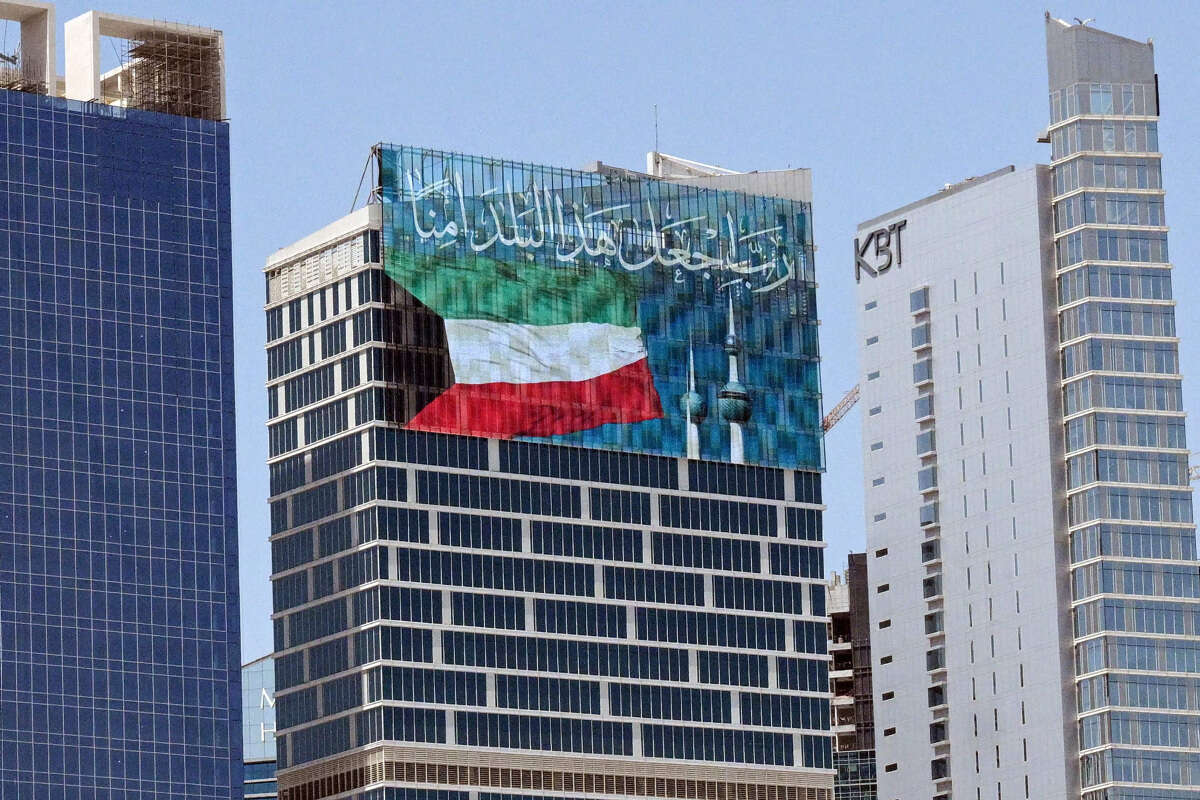
The recent escalation in the Yemeni arena along Saudi Arabia's southern border, compounded by the Houthi seizure of the Bab el-Mandeb (a strategic strait connecting the Red Sea to the Gulf of Aden) chokepoint, represents a sophisticated Iranian maneuver. The strategy aims to pressure the incoming Trump administration through oil prices ahead of the midterm congressional elections by leveraging a surprisingly determined proxy force – all without a formal declaration of war.
Saudi leadership currently faces immense pressure on three fronts. The first is the blockade of the Bab el-Mandeb strait and subsequent strikes on energy infrastructure, including pipelines and the port of Yanbu (a major Red Sea port city in Saudi Arabia). The second involves persistent missile fire directed at population centers and airports. Finally, there is a genuine fear of a potential Houthi ground invasion into Saudi territory. According to regional sources, the Saudi military has deployed substantial reinforcements to the border and is concentrating intense airstrikes primarily on Houthi troop concentrations nearby.
On Monday, Israel Hayom revealed that Saudi Arabia approached Israel requesting assistance in its ongoing conflict with the Houthis. Following this report, a senior Saudi official told Israel Hayom, "We are at war with Iran even though it is not officially declared. Iran operates Ansar Allah (the Houthis) against us, to block the second maritime route and raise the global price of oil." The official added, "But in addition, they also aim to undermine the kingdom and cause chaos throughout the Gulf, out of their internal distress and the fear that their regime is in danger."
"Toppling the regime in Tehran is a regional and global interest," the official noted. "It is clear to us that Israel can help, it is the one that created the war in Iran and also the only one that has proved effectiveness in the war against Ansar Allah." The source was directly referring to the Israeli strike in August 2025 that eliminated several top Houthi commanders. "The Israeli assistance here is important to the entire region and also to the world, the fact that Israel was the only one that responded did not surprise us and it will be part of our diplomatic considerations going forward," the official said.
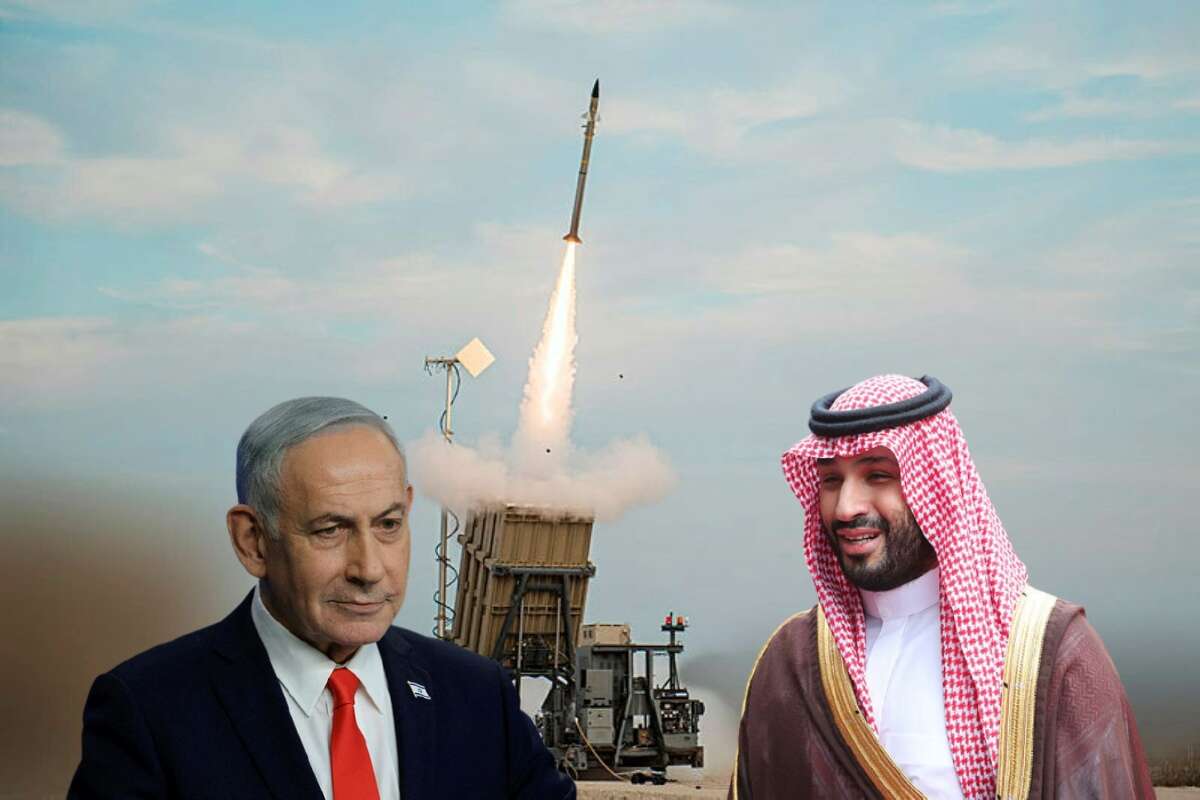
These statements indicate that while current coordination focuses strictly on intelligence and security, it is establishing a robust foundation for future ties. Nevertheless, an imminent, dramatic diplomatic breakthrough is not anticipated, as regional dynamics remain heavily dependent on the stability of the regime in Iran.
The shift begins with Kuwait
The relatively small nation of Kuwait, situated at the northern tip of the Gulf, suffered severe damage during the Iranian war, both due to the presence of American military bases on its soil and its exclusive reliance on the Strait of Hormuz for oil exports.
While American forces bore the primary responsibility for defending their bases and civilian infrastructure in Kuwait during the war, Israel also played a crucial role. Israel provided essential defensive assistance to the United Arab Emirates, which included deploying an Iron Dome battery on its territory. Furthermore, Israel Hayom reported that several other Gulf nations benefited from Israeli defensive aid through early warning information regarding projectile launches.

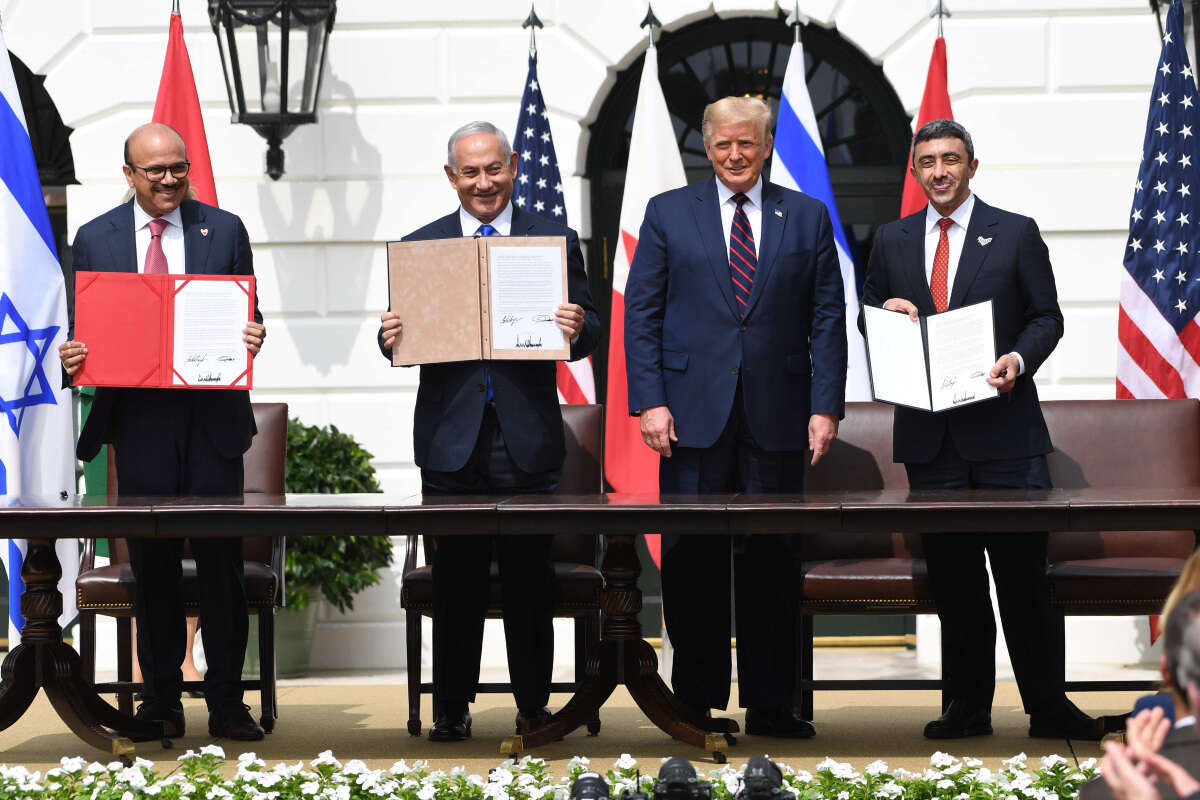
This strategic assistance was executed in tight coordination with CENTCOM (US Central Command) and the White House. The defensive umbrella covered both American installations and strategic regional assets. The cooperation was highly significant – extending far beyond mere intelligence sharing – and involved nations that are signatories to the Abraham Accords (the 2020 normalization agreements between Israel and several Arab states), alongside those that currently maintain no formal ties with Jerusalem.
The war in Iran and this subsequent Israeli support catalyzed a profound shift in how Gulf states view Israel, with Kuwait emerging as the most striking example. The small Gulf nation has long been recognized for maintaining an exceptionally harsh anti-Israel legal code, which strictly forbids any contact with the Jewish state or its citizens.
During the war, urgent security necessities naturally forced the relaxing of enforcement of some of these restrictive laws. Now, diplomatic officials in the Gulf tell Israel Hayom that formal proceedings have been initiated to repeal or amend at least portions of this legislation. The proposed changes also target the longstanding boycott law, the legislation banning the promotion of normalization that was passed following the Abraham Accords – and the statute criminalizing public expressions of sympathy for Israel or cultural ties with it.
Two prominent figures previously paid a heavy price for violating these laws. Journalist Jasem AlJuraid was fired and forced into exile after urging his country to join the Abraham Accords. Similarly, Fajer al-Saeed, a well-known playwright and social media influencer who gave an interview to the Israeli public broadcaster, was sentenced to three years in prison in 2025.
Israeli Ambassador to the UAE Yossi Shelley recently hinted at these brewing developments regarding Kuwait. "Within a few months another country will join the Abraham Accords," Shelley stated. "I estimate it is a range of four months to half a year. Maybe we will have a surprise. I know everyone is working on it. From my analysis, and from what I learn from the academic world, the Kuwaitis are also starting to understand that something happened here, and maybe they will be the next in line."
My sources indicated that Kuwaiti officials were displeased with this public mention, which could delay certain process, but the sources explained that Israel is the regional power that has the capabilities and the desire to fight Iran and protect the Gulf states, and it works hand in hand with the US, so it is only a matter of time.