
"History," Mark Twain once said, "does not repeat itself, but it rhymes." The architects of the Change Bloc (the anti-Netanyahu political alliance) woke up Wednesday morning to discover just how painfully accurate that observation is. They went to sleep as presumptive prime ministers – mirroring the premature celebrations of Shimon Peres, Isaac Herzog, and Benny Gantz in years past – only to wake up to a reality where Benjamin Netanyahu has surged against all odds.
While Netanyahu's triumph this time may lack the sheer numerical dominance of his 2015 victory, the political achievement is arguably just as profound. His rivals entered the race with pristine starting conditions, yet still managed to squander the opportunity. They finished the race lacking a Jewish majority, let alone the 61 seats in the 120-member Knesset required to establish a functioning government.
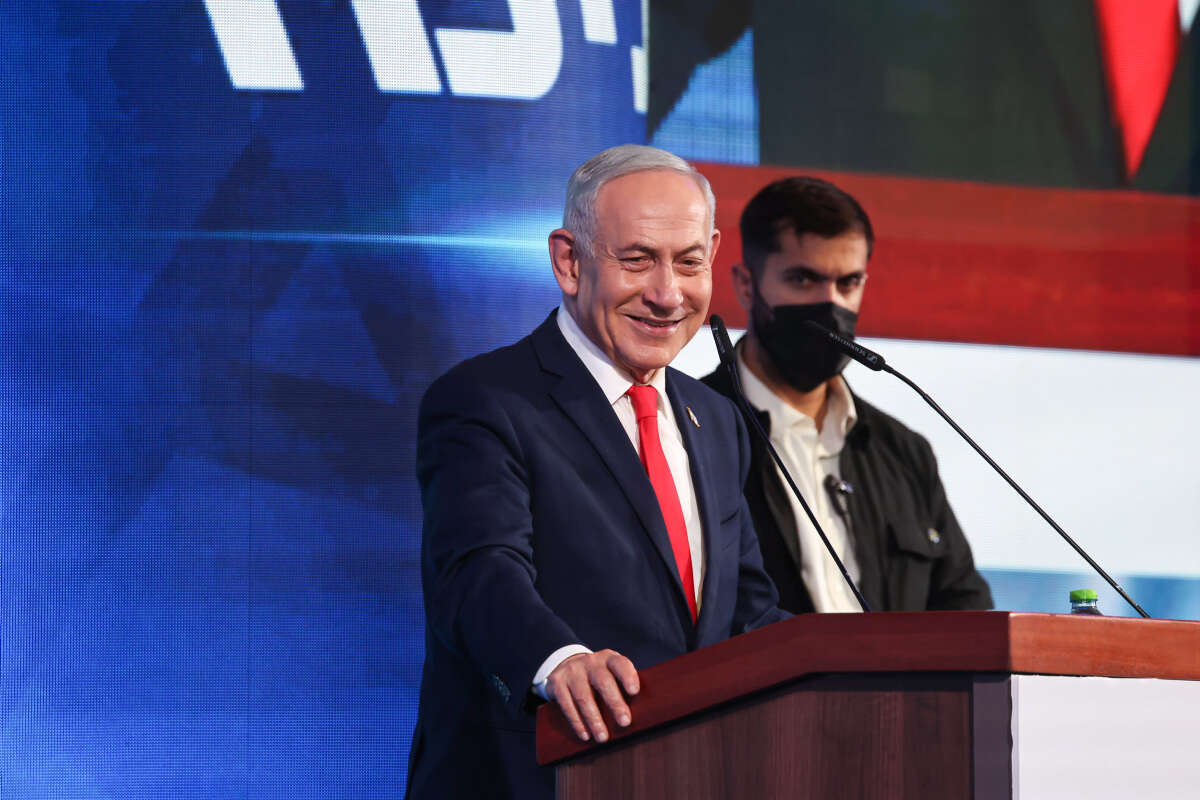
Much like in 2015, the political alliance woke up in a state of sheer disbelief. "How did this happen to us?" officials there asked. They are already agonizing over their campaign missteps, their grueling years in the opposition, and their vastly inflated expectations. Ultimately, the sheer scale of this failure cannot be obscured. The Change Bloc must now completely reassess its trajectory and scrutinize the flawed strategy that led it to this moment.
Meanwhile, the victory speeches and strategic coordination meetings that the Change Bloc had scheduled for Tuesday night were abruptly scrapped as the faction awaited the final tally. "The numbers look bad," officials there admitted, "and Benjamin Netanyahu could still somehow reach 61."

The sole remaining glimmer of hope is that the Change Bloc, in partnership with Ra'am (the United Arab List), might edge out Benjamin Netanyahu's bloc. This scenario would require them to form a government supported by Ra'am (the United Arab List) while relying on the abstention of the Joint List (the Arab-majority political alliance). However, pursuing this path would require a flagrant violation of their core campaign pledges.
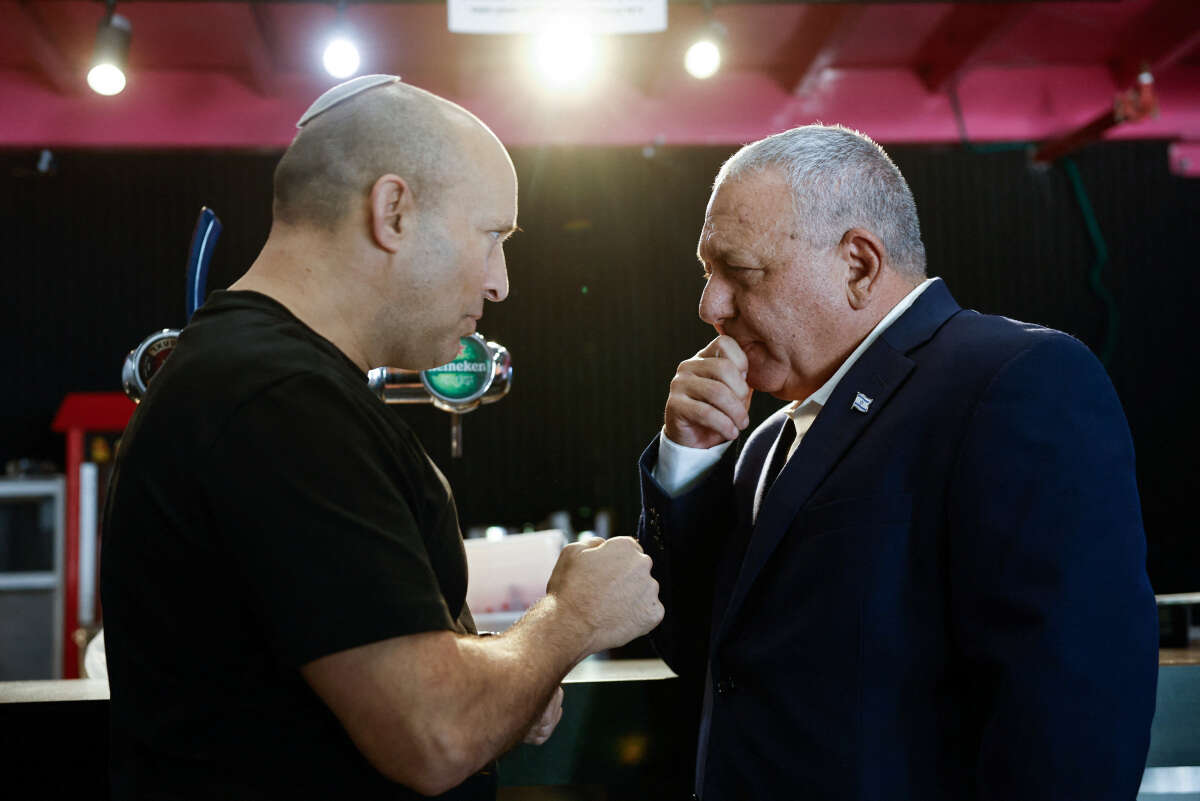
This profound shock will linger over the faction's leadership for the foreseeable future, though a stark realization is already taking hold – plunging the country into another election will not solve their crisis. The available options are starkly evident. They can attempt to govern with Arab party support, concede to a unity government, or face another brutal election cycle where the strength of the Change Bloc could erode even further.
Avigdor Lieberman, for his part, is already telegraphing his preference for the third option, maneuvering to strengthen his leverage and claim leadership over the entire faction. The political establishment is now hanging on his every word. More than anyone else, he is the man who will decide where we go from here.