Tuesday Nov 3, 2026
NEWSLETTER
www.israelhayom.com
  • Home
  • News
    • Israel
    • Israel at War
    • Middle East
    • United States
  • Opinions
  • Jewish World
    • Archaeology
    • Antisemitism
  • Lifestyle
    • Food
    • Travel
    • Fashion
    • Culture
  • Magazine
    • Feature
    • Analysis
    • Explainer
  • In Memoriam
www.israelhayom.com
Home Analysis

Heading toward escalation? The competing interests shaping Iran's strategy

Iran has rebuilt its military capabilities and once again disrupted shipping through the Strait of Hormuz, but its dire economic situation makes it reluctant to return to all-out war. US forces are seeking to disable Iranian missile systems and radars, while both sides are careful not to jeopardize diplomatic efforts. A source familiar with the negotiations says Tehran is playing for time, hoping to convince Trump that a deal is the only way forward.

by  Danny Zaken
Published on  11-03-2026 14:51
Last modified: 11-03-2026 14:51
Heading toward escalation? The competing interests shaping Iran's strategy

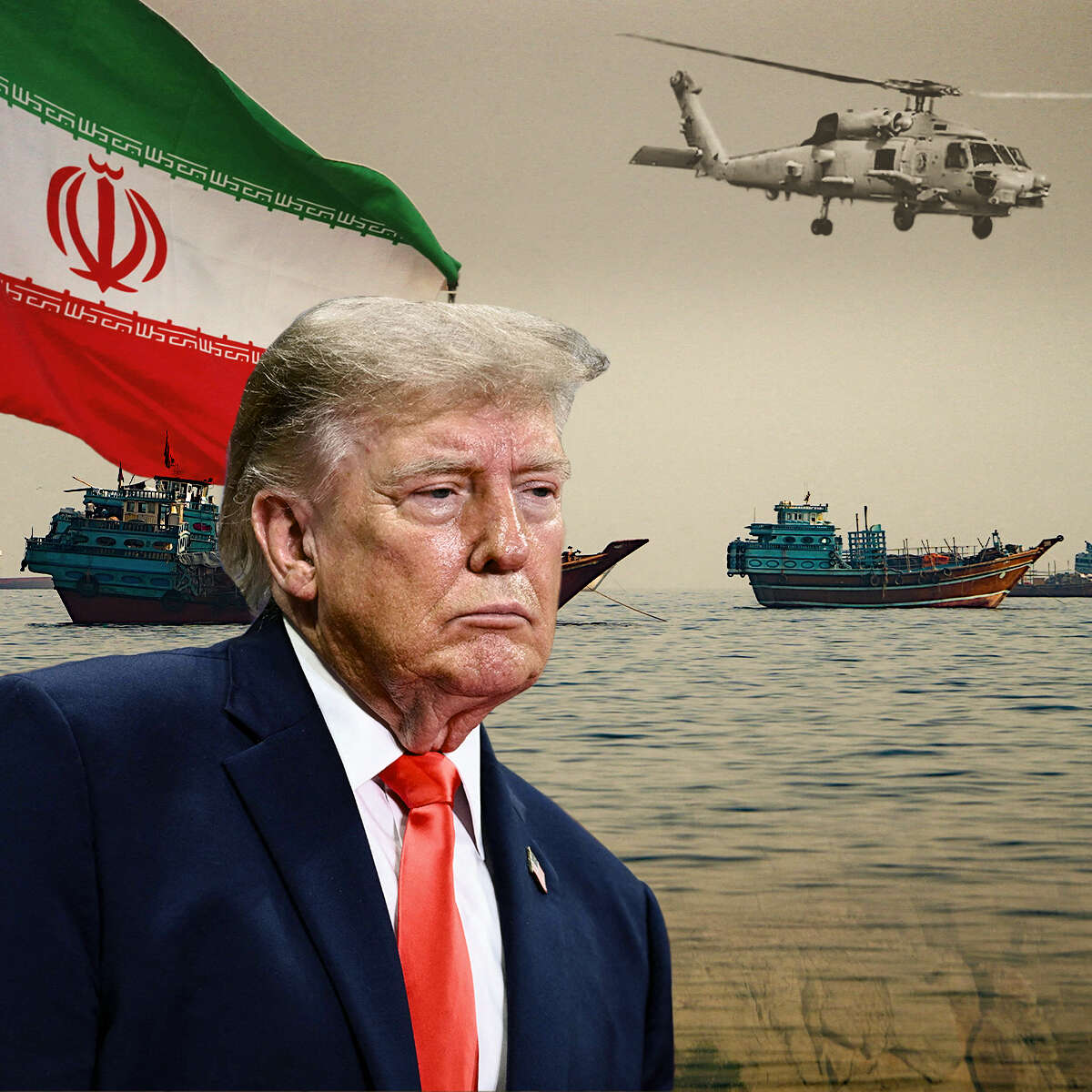
Trump against the backdrop of the Strait of Hormuz | Photo: CENTCOM, Reuters, AFP

Share on FacebookShare on Twitter

The US strike overnight Monday into Tuesday on Iran's Qeshm Island was part of Washington's efforts to regain control of the Strait of Hormuz. Statements from both sides suggest that neither intends to let the incident derail diplomatic efforts to end the war.

According to reports, US forces struck missile launchers and apparently a mobile radar station after Iran attempted to shoot down American drones. Iran claims to have downed three US drones, an assertion Washington denies.

The strike comes amid Iran's growing success in preventing oil tankers from leaving the Persian Gulf through the Strait of Hormuz. In September, the US declared the strait open, and shipping data showed that oil shipments through the waterway had indeed recovered to nearly prewar levels. That recovery, however, applied to oil rather than natural gas. Liquefied natural gas tankers are far more vulnerable, with Qatar, which was the world's largest natural gas exporter before the war, bearing the brunt of the disruption.

During October, however, Iranian forces managed to strike several tankers, making the shipping route too dangerous once again. Reports indicate that only a handful of tankers are now managing to pass through.
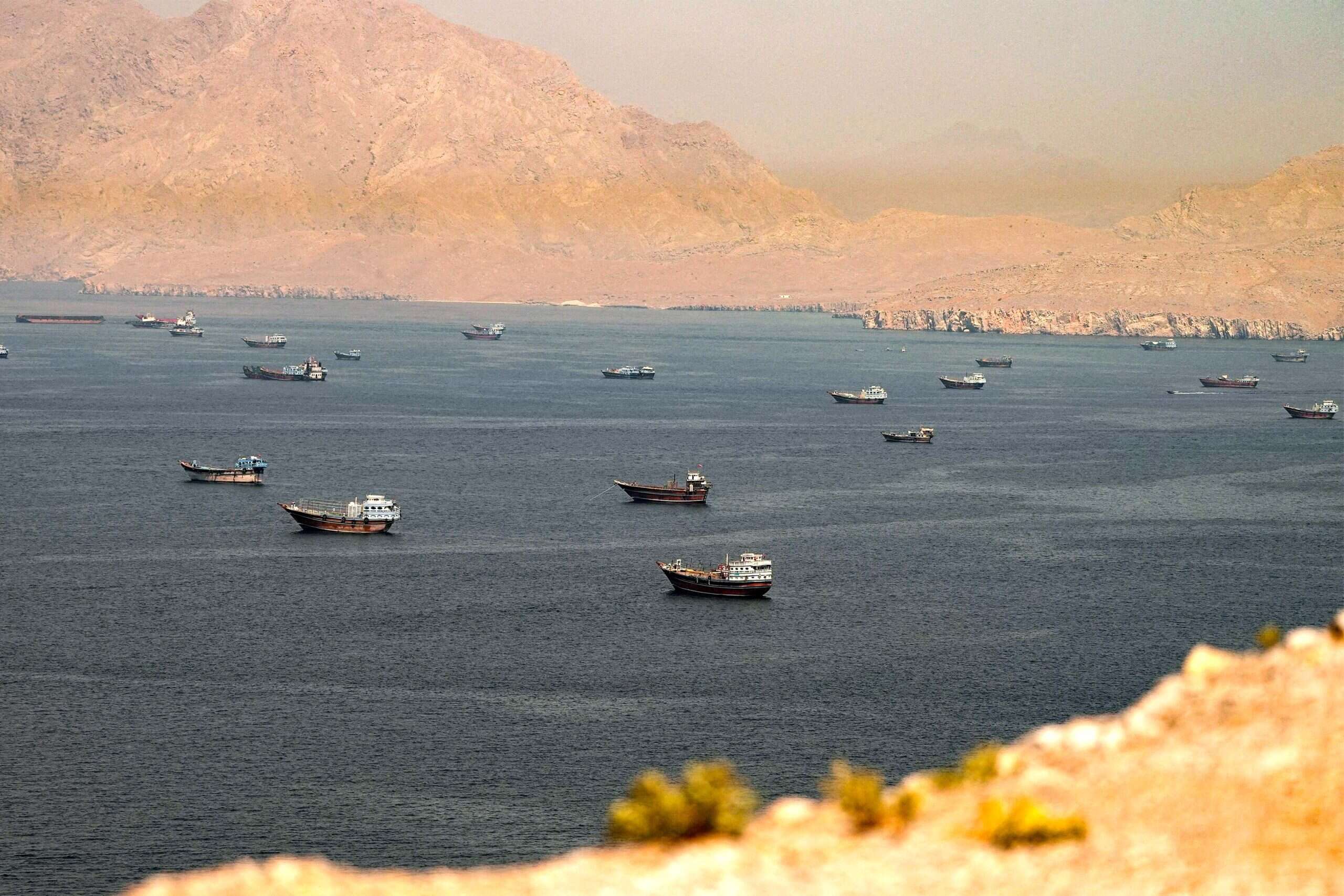
Ships in the Strait of Hormuz. Photo: Reuters

Iran's success stems from its ability to rebuild its surveillance capabilities, including radar systems and other equipment that can detect tankers sailing at night with their tracking systems switched off. Tehran has also restored its missile and drone capabilities, which it uses to attack the vessels.

US forces are now attempting to disable Iran's radar installations and weapons systems once again, and further limited strikes of this kind could follow in the coming days.

The assessment is that both sides will continue to characterize such exchanges as "isolated incidents" to avoid undermining the prospects of turning preliminary diplomatic contacts into substantive negotiations. That interpretation is supported by statements from senior officials on both sides, who have portrayed the overnight events as one-off strikes or responses to attacks by the other side, rather than signs of a broader escalation.

US officials stressed that the operation was a limited defensive strike carried out in direct response to the Islamic Revolutionary Guard Corps launching surface-to-air missiles and attempting to hit a US aircraft operating in the area. They emphasized that the operation was intended to neutralize an immediate threat and did not signal an intention to expand the war.
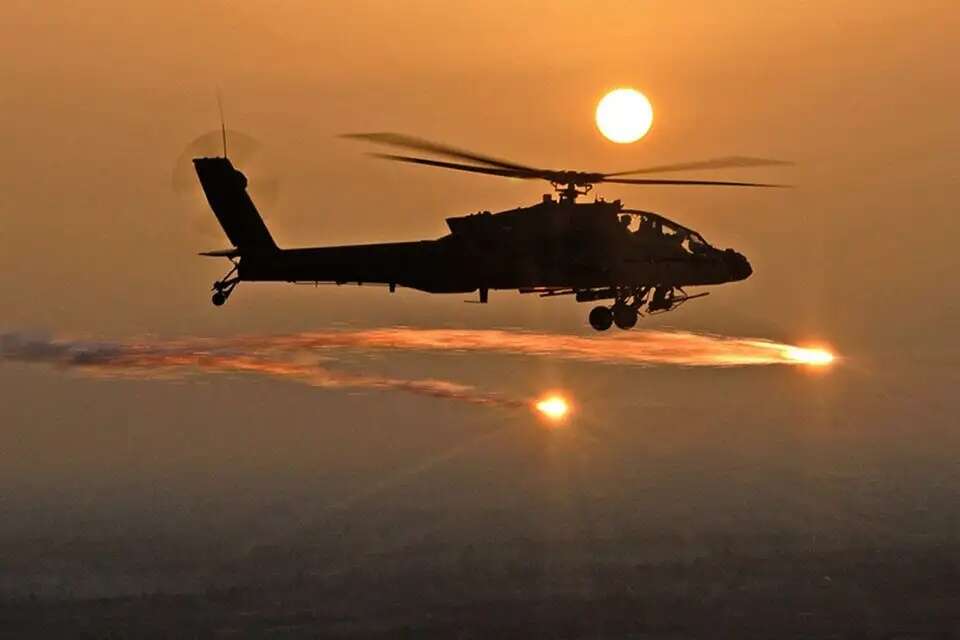
US attack helicopter in the Strait of Hormuz. Photo: AFP

Talks remain far from a breakthrough

Iran, too, has little appetite for escalation or a return to full-scale war, given its severe economic difficulties. Tehran is desperate to reopen the strait to its oil exports, secure sanctions relief and gain access to frozen funds. Iranian Armed Forces Chief of Staff Maj. Gen. Ali Abdollahi set out those demands in comments to the Tasnim news agency, alongside a demand that Washington recognize Iran's "sovereignty" over the Strait of Hormuz.

The conditions underscore how far the diplomatic contacts remain from meaningful progress. Iran has shown no willingness to discuss nuclear issues before the US takes steps to ease economic pressure.

According to a source familiar with the negotiations, Iran's proposal rules out transferring enriched uranium outside the country but expresses a willingness to dilute it. That leaves Tehran's position far short of Washington's minimum demands. Nevertheless, President Donald Trump has also spoken in his latest statements about giving diplomacy a chance.
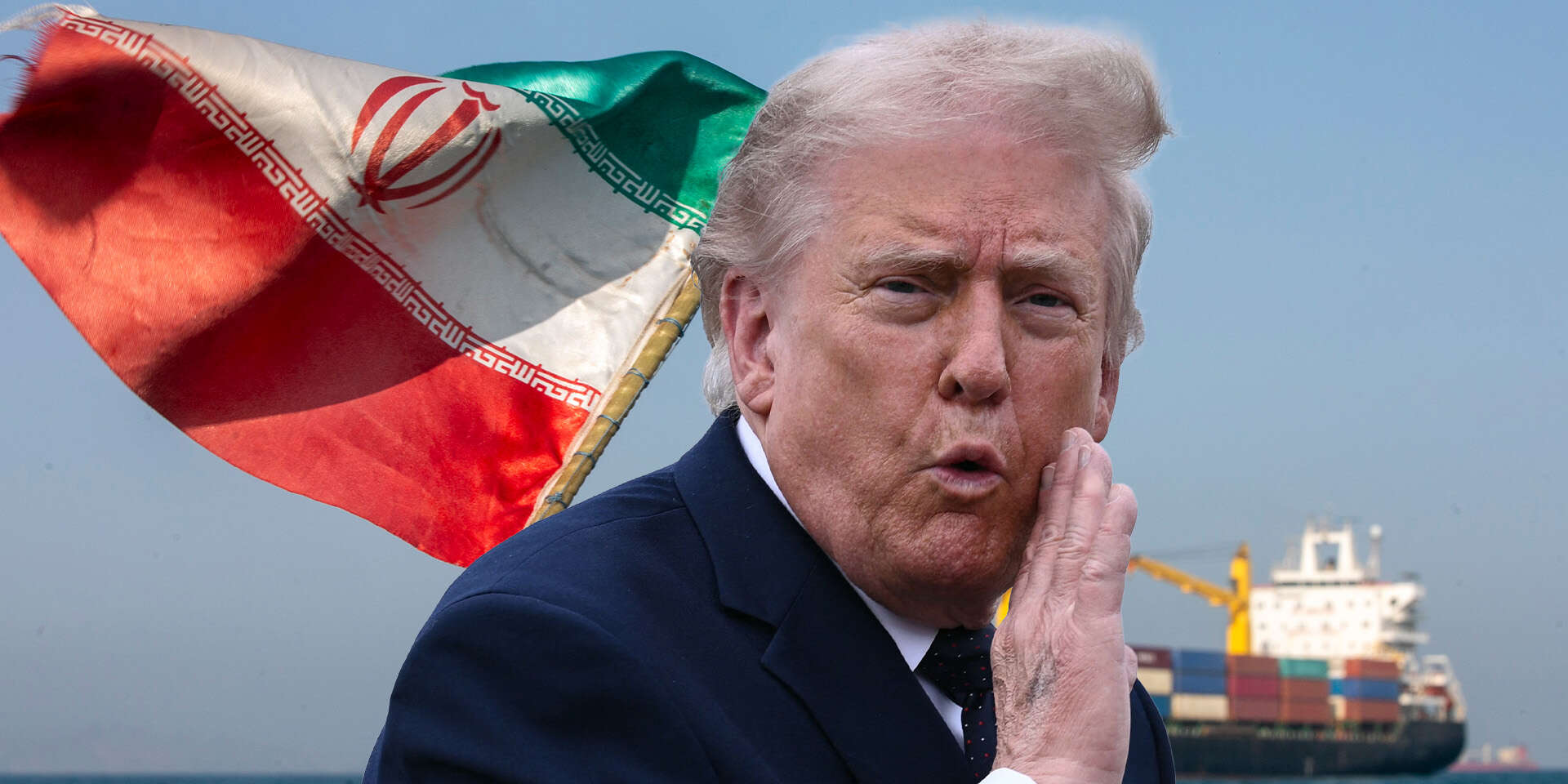
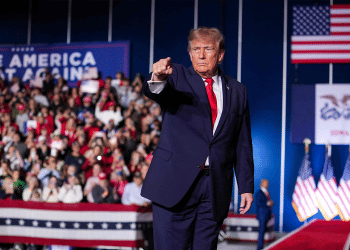
Donald Trump
Donald Trump. Photo: AFP

The source familiar with the negotiations summed up Tehran's strategy: Iran is exploiting the US elections to keep dragging out the process, seeking to take the prospect of regime change off the table and convince Trump that he cannot win the war, leaving a negotiated agreement as the only viable solution.
Tags: IranUS

Related Posts

Trump's midterm showdown will reshape Washington, impact Israel

Trump's midterm showdown will reshape Washington, impact Israel

by Dudi Kogan

More than 54 million Americans have already voted ahead of Tuesday's midterm elections, with polls giving Democrats an edge in...

Behind the Yellow Line, Hamas is already preparing for the next phase

Behind the Yellow Line, Hamas is already preparing for the next phase

by Shachar Kleiman

Three years after the October 7 attack, Hamas is fighting to survive the war to face the day after. As...

Aryeh Amidror, the man who failed to sound the alarm

Aryeh Amidror, the man who failed to sound the alarm

by Itay Ilnai

When the Nukhba terrorists' SIM cards came online in the middle of the night, he was unfazed. When NCO V....

Menu

Analysis 

Archaeology

Blogpost

Business & Finance

Culture

Exclusive

Explainer

Environment


Features

Health

In Brief

Jewish World

Judea and Samaria

Lifestyle

Cyber & Internet

Sports


Diplomacy 

Iran & The Gulf

Gaza Strip

Politics

Shopping

Terms of use

Privacy Policy

Submissions

Contact Us

About Us

The first issue of Israel Hayom appeared on July 30, 2007. Israel Hayom was founded on the belief that the Israeli public deserves better, more balanced and more accurate journalism. Journalism that speaks, not shouts. Journalism of a different kind. And free of charge.

All rights reserved to Israel Hayom

Hosted by sPD.co.il

  • Home
  • News
    • Israel at War
    • Israel
    • United States
    • Middle East
    • Sports
  • Opinions
  • Jewish World
    • Archaeology
    • Antisemitism
  • Lifestyle
    • Food
    • Travel
    • Fashion
    • Culture
  • Magazine
    • Feature
    • Analysis
    • Explainer
    • Environment & Wildlife
    • Health & Wellness
  • In Memoriam
  • Subscribe to Newsletter
  • Submit your opinion
  • Terms and conditions

All rights reserved to Israel Hayom

Hosted by sPD.co.il

Newsletter

[contact-form-7 id=”508379″ html_id=”isrh_form_Newsletter_en” title=”newsletter_subscribe”]

  • Home
  • News
    • Israel at War
    • Israel
    • United States
    • Middle East
    • Sports
  • Opinions
  • Jewish World
    • Archaeology
    • Antisemitism
  • Lifestyle
    • Food
    • Travel
    • Fashion
    • Culture
  • Magazine
    • Feature
    • Analysis
    • Explainer
    • Environment & Wildlife
    • Health & Wellness
  • In Memoriam
  • Subscribe to Newsletter
  • Submit your opinion
  • Terms and conditions

All rights reserved to Israel Hayom

Hosted by sPD.co.il