Israel Hayom is a media organization founded on the belief that the Israeli public deserves better journalism—more balanced, more accurate, and more reliable. Journalism that speaks rather than shouts. Journalism that is trustworthy, objective, and matter-of-fact. A different kind of journalism, offered free of charge.
The first print edition was published on July 30, 2007, and in 2010 Israel Hayom became the Israeli newspaper with the highest weekday readership. The newspaper’s publisher is Dr. Miriam Adelson. Its Editor-in-Chief is Omar Lachmanovitch, and its founding editor is Amos Regev.
Israel Hayom’s Hebrew and English websites, as well as its Android and iOS applications, provide around-the-clock news coverage, exclusive content, breaking news and updates, analysis and commentary, video, podcasts, and live broadcasts.
The digital platforms of Israel Hayom include news and opinion channels covering culture and entertainment, lifestyle, technology, sports, business and consumer affairs, health, military affairs, food, Judaism, tourism, and automobiles.
In 2021, a new Hebrew-language website and mobile application were launched to provide users with a fast, up-to-date, secure, and convenient experience.
The content of the newspaper’s print edition is also available online through a daily digital edition and can be received via newsletter.
“The Israel Hayom Clique,” the publication’s exclusive benefits club, offers website users discounts and special promotions on products and services.
Israel Hayom welcomes feedback, criticism, and suggestions for improvement from its readers. You can contact the organization by email at hayom@israelhayom.co.il
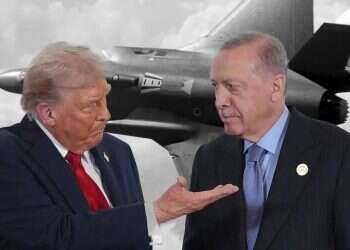
All signs indicate that the sale of F-35 fighter jets to Turkey will go ahead. While Trump’s move could eventually create a direct threat to Israel, it can still be used to reinforce Israel’s military superiority, but only if Israeli officials do not waste time.
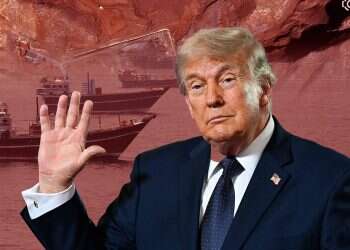
Tehran is betting that Trump does not want a large-scale war and will prefer to focus on preventing an Iranian nuclear weapon while accepting Iran’s control of the Strait of Hormuz. Iran’s new leadership is pragmatic enough to pursue an agreement, but not to relinquish what it sees as a crucial source of leverage. The situation could spiral beyond Iran’s control, and Trump’s, ending in escalation.
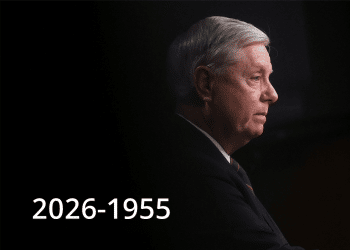
Many senators support Israel, believe in the justice of America’s cause and are outraged by Iran and Russia. Of all of them, only Lindsey Graham turned that burning conviction into a lifelong mission, even though there was little political reward in it for him.
The Indian prime minister's words were more than lip service and flattery. They were a compass that could show Israel where the rising power is headed, as it proved immediately after Oct. 7 when it sent weapons and artillery shipments while the Biden administration delayed arms deliveries to Israel. Modi's speech was one Vance apparently missed.
Israel is losing its standing on the international stage because it continues to rely on military achievements alone, while the battle over consciousness and influence has become the new decisive front. Establishing a national influence apparatus could strengthen Israel’s value in the eyes of its allies and make it vital to them in the future.
JD Vance's claim that Israel has no friends in the world misses the depth of its ties with countries such as India. Even more troubling is the assertion that Israel is trying to "kill its way" out of its security crises. In the face of stereotypes that have seeped into the American mainstream, Israel must make clear: It makes peace when possible and fights when it has no choice.
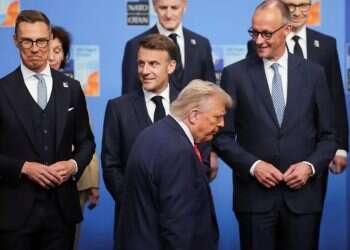
Trump staged the spectacle, Erdogan claimed the stage, but Europe’s real move was building a security order Turkey cannot veto and America cannot monopolize.
Hamas’ announcement that it is prepared to transfer civilian rule is an inevitable step from its perspective, meant to advance civilian aid and reconstruction. But it does not amount to relinquishing its military power or the many centers of influence it maintains over the population. The Gaza front must remain active until Israel achieves all the goals it has set there.
The United States remains the world's leading superpower, but its growing focus on domestic priorities, economic interests, and declining support for Israel is already reshaping its role in extraordinary ways.
The IDF did not receive 40 billion shekels ($13.3 billion) from the Finance Ministry, and as a result some missions face cuts. The prime minister has instructed the security establishment to prepare for the cancellation of US aid, a move that could affect the IDF’s procurement of critical platforms.