Israel Hayom is a media organization founded on the belief that the Israeli public deserves better journalism—more balanced, more accurate, and more reliable. Journalism that speaks rather than shouts. Journalism that is trustworthy, objective, and matter-of-fact. A different kind of journalism, offered free of charge.
The first print edition was published on July 30, 2007, and in 2010 Israel Hayom became the Israeli newspaper with the highest weekday readership. The newspaper’s publisher is Dr. Miriam Adelson. Its Editor-in-Chief is Omar Lachmanovitch, and its founding editor is Amos Regev.
Israel Hayom’s Hebrew and English websites, as well as its Android and iOS applications, provide around-the-clock news coverage, exclusive content, breaking news and updates, analysis and commentary, video, podcasts, and live broadcasts.
The digital platforms of Israel Hayom include news and opinion channels covering culture and entertainment, lifestyle, technology, sports, business and consumer affairs, health, military affairs, food, Judaism, tourism, and automobiles.
In 2021, a new Hebrew-language website and mobile application were launched to provide users with a fast, up-to-date, secure, and convenient experience.
The content of the newspaper’s print edition is also available online through a daily digital edition and can be received via newsletter.
“The Israel Hayom Clique,” the publication’s exclusive benefits club, offers website users discounts and special promotions on products and services.
Israel Hayom welcomes feedback, criticism, and suggestions for improvement from its readers. You can contact the organization by email at hayom@israelhayom.co.il
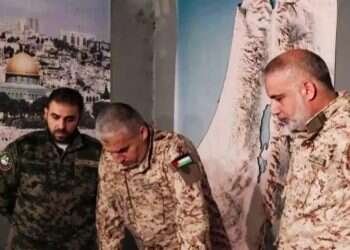
11 days after his predecessor, Izz al-Din al-Haddad, was eliminated by the Israeli Air Force, his successor, Mohammed Odeh, has also been eliminated. Before succeeding al-Haddad, Odeh headed the military intelligence headquarters in Gaza, which was responsible for gathering information on IDF bases in the western Negev.
Despite the isolated incident, at this stage it is impossible to know whether the cluster munition, combined with the nets IDF soldiers are deploying over fortified positions and sites, will eliminate the emerging threat they face in southern Lebanon, or at least reduce it.
The inner cabinet discussed developments with Hezbollah late into the night, with much less focus on Iran. Israeli officials believe Iran has been significantly weakened and is unlikely to come under attack again soon. Senior Israeli official: “The new situation with Lebanon is terrible.”
Following the strike in Gaza, an Israeli security official said there are indications that Izz al-Din al-Haddad, the leader of Hamas’ military wing and considered one of the architects of the Oct. 7 massacre, had been eliminated.
The US State Department said that following talks held over the past two days between Israel and Lebanon, the ceasefire would be extended to allow talks to continue. Negotiations are expected to resume in June, alongside the launch of a security track involving military delegations from both countries.
Some 158,000 square meters of wire mesh have already been supplied to forces in Lebanon as part of efforts to counter the FPV drone threat. The IDFis preparing an additional purchase following a series of deadly strikes in northern Israel.
The IDF said an explosive drone launched by the terrorist organization landed inside Israeli territory near the Lebanese border. The military stressed that the incident constituted a "blatant violation of the ceasefire" by Hezbollah.
Golani Reconnaissance Unit commander Lt. Col. B. reveals details of the operation to clear the Litani River area in a special interview and says “the conditions are ready” for expanding activity northward. The forces destroyed terrorist infrastructure, fighting tunnels and rocket launchers up to 10 kilometers (6 miles) from northern Israeli communities, inside the “yellow line” under Israeli control.
The heavy exchanges of fire in southern Lebanon continue. Hezbollah is launching explosive drones at IDF soldiers, while the military has yet to provide an adequate defensive solution. The IDF is operating with “one hand tied behind its back” because its activity is limited to what has been defined as the “yellow line.”