Israel Hayom is a media organization founded on the belief that the Israeli public deserves better journalism—more balanced, more accurate, and more reliable. Journalism that speaks rather than shouts. Journalism that is trustworthy, objective, and matter-of-fact. A different kind of journalism, offered free of charge.
The first print edition was published on July 30, 2007, and in 2010 Israel Hayom became the Israeli newspaper with the highest weekday readership. The newspaper’s publisher is Dr. Miriam Adelson. Its Editor-in-Chief is Omar Lachmanovitch, and its founding editor is Amos Regev.
Israel Hayom’s Hebrew and English websites, as well as its Android and iOS applications, provide around-the-clock news coverage, exclusive content, breaking news and updates, analysis and commentary, video, podcasts, and live broadcasts.
The digital platforms of Israel Hayom include news and opinion channels covering culture and entertainment, lifestyle, technology, sports, business and consumer affairs, health, military affairs, food, Judaism, tourism, and automobiles.
In 2021, a new Hebrew-language website and mobile application were launched to provide users with a fast, up-to-date, secure, and convenient experience.
The content of the newspaper’s print edition is also available online through a daily digital edition and can be received via newsletter.
“The Israel Hayom Clique,” the publication’s exclusive benefits club, offers website users discounts and special promotions on products and services.
Israel Hayom welcomes feedback, criticism, and suggestions for improvement from its readers. You can contact the organization by email at hayom@israelhayom.co.il
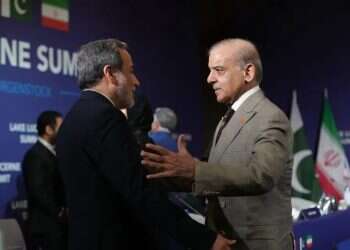
The American and Iranian delegations met in Switzerland for direct talks mediated by Qatar and Pakistan. Lebanon is expected to be at the center of the discussions, alongside the nuclear issue and sanctions. Vance: "Great progress has been made."
Sources told the Lebanese newspaper Al Joumhouria that the Syrian president sees the neighboring country to the west as “a Sources told the Lebanese newspaper Al Joumhouria that the Syrian president will not send his forces in to confront Hezbollah, as US President Donald Trump has demanded. “Everyone understands the nature of Trump’s methods and knows full well that any direct Syrian role in Lebanon requires understandings among Syria, Saudi Arabia and Turkey, making this scenario unrealistic,” the sources said.” and will not send his forces in to confront Hezbollah, as US President Donald Trump has demanded. “Everyone understands the nature of Trump’s methods and knows full well that any direct Syrian role in Lebanon requires understandings among Syria, Saudi Arabia and Turkey, making this scenario unrealistic,” the sources said.
Iranian news site Press TV reported the mysterious death of Dr. Ali Ehsanian, an artificial intelligence expert who previously worked for the Islamic Republic's security services. Iranian media outlets are accusing Israel of eliminating Iran's AI scientists.
Behind Hezbollah’s violations in Lebanon, which claimed the lives of four Israeli soldiers, stands the Iranian regime. Its goal is to prompt Israel to strike Dahiyeh and thereby deepen the rift with Washington. Ministers are demanding that Prime Minister Benjamin Netanyahu “exact a price from the State of Lebanon,” but according to a US report, “Israel agreed not to escalate.”
The signing was carried out remotely, with the Iranian side signing the memorandum in Tehran while Trump signed it at the Palace of Versailles during his visit to France. Iranian Foreign Ministry spokesman: “Without any compromise, we will monitor the other side’s compliance with its commitments, and we will meet our commitments only if the other side meets its own.”
Opening Hormuz and granting sanctions waivers for oil exports could channel billions of dollars to the ayatollahs’ regime. Israel Hayom has also learned that US companies could take part in the joint $300 billion Iranian-Qatari fund.
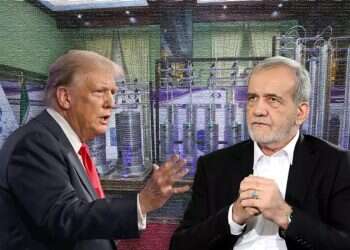
The White House published the 14 clauses of the memorandum of understanding for ending the war against Iran within 60 days. The document reveals dramatic US concessions, including a massive economic development plan, the lifting of the naval blockade and permission for oil exports, in exchange for the opening of the Strait of Hormuz and the downblending of nuclear material.
The US is effectively lifting sanctions on Iranian oil exports, despite its statements that funds will be transferred to Tehran only after it meets its commitments. The opening of the Strait of Hormuz alongside this move could bring Iran tens of billions of dollars in the coming months. According to information from energy companies, interest in buying oil from Iran is growing, even for short-term contracts.