Israel Hayom is a media organization founded on the belief that the Israeli public deserves better journalism—more balanced, more accurate, and more reliable. Journalism that speaks rather than shouts. Journalism that is trustworthy, objective, and matter-of-fact. A different kind of journalism, offered free of charge.
The first print edition was published on July 30, 2007, and in 2010 Israel Hayom became the Israeli newspaper with the highest weekday readership. The newspaper’s publisher is Dr. Miriam Adelson. Its Editor-in-Chief is Omar Lachmanovitch, and its founding editor is Amos Regev.
Israel Hayom’s Hebrew and English websites, as well as its Android and iOS applications, provide around-the-clock news coverage, exclusive content, breaking news and updates, analysis and commentary, video, podcasts, and live broadcasts.
The digital platforms of Israel Hayom include news and opinion channels covering culture and entertainment, lifestyle, technology, sports, business and consumer affairs, health, military affairs, food, Judaism, tourism, and automobiles.
In 2021, a new Hebrew-language website and mobile application were launched to provide users with a fast, up-to-date, secure, and convenient experience.
The content of the newspaper’s print edition is also available online through a daily digital edition and can be received via newsletter.
“The Israel Hayom Clique,” the publication’s exclusive benefits club, offers website users discounts and special promotions on products and services.
Israel Hayom welcomes feedback, criticism, and suggestions for improvement from its readers. You can contact the organization by email at hayom@israelhayom.co.il
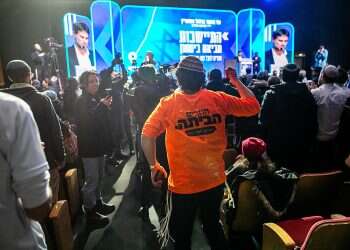
Under the program showcased at the event, several settlements would be established in the Gaza Strip: Yishai "will be built on the outskirts of the devastated town of Beit Hanoun,” Maoz on the southern Gaza coast, and the “Gates of Gaza” on "the destroyed city of Khan Younis." There would also be a dedicated area of Haredi settlement called “Hessed La'alafim” south of Rafah.
The conference has traditionally had Israeli speakers placed in key panels and forums. But this year, Israeli officials will not be allowed to address the plenary. Likewise, families of the captives held by Hamas will only be allowed to hold an event on the sidelines.
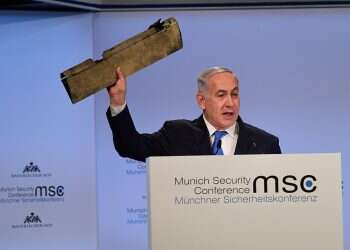
Israel must strike directly within Iran, against the capabilities conferred by Tehran on its proxies in the region, while also taking further action against the Quds Force.