Israel Hayom is a media organization founded on the belief that the Israeli public deserves better journalism—more balanced, more accurate, and more reliable. Journalism that speaks rather than shouts. Journalism that is trustworthy, objective, and matter-of-fact. A different kind of journalism, offered free of charge.
The first print edition was published on July 30, 2007, and in 2010 Israel Hayom became the Israeli newspaper with the highest weekday readership. The newspaper’s publisher is Dr. Miriam Adelson. Its Editor-in-Chief is Omar Lachmanovitch, and its founding editor is Amos Regev.
Israel Hayom’s Hebrew and English websites, as well as its Android and iOS applications, provide around-the-clock news coverage, exclusive content, breaking news and updates, analysis and commentary, video, podcasts, and live broadcasts.
The digital platforms of Israel Hayom include news and opinion channels covering culture and entertainment, lifestyle, technology, sports, business and consumer affairs, health, military affairs, food, Judaism, tourism, and automobiles.
In 2021, a new Hebrew-language website and mobile application were launched to provide users with a fast, up-to-date, secure, and convenient experience.
The content of the newspaper’s print edition is also available online through a daily digital edition and can be received via newsletter.
“The Israel Hayom Clique,” the publication’s exclusive benefits club, offers website users discounts and special promotions on products and services.
Israel Hayom welcomes feedback, criticism, and suggestions for improvement from its readers. You can contact the organization by email at hayom@israelhayom.co.il
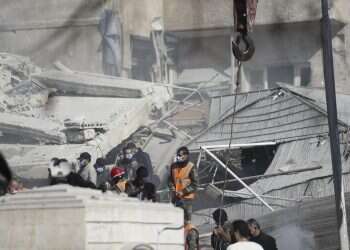
The Syrian army said the building in the tightly guarded western Damascus neighborhood of Mazzeh was entirely destroyed, adding that the Israeli air force fired the missiles while flying over Syria's Israeli-held Golan Heights. The Israeli military did not comment on the strike.
Instead of preferring moderate intensity over an extended period, it is best to increase intensity over a shorter duration. Continued public support for the IDF's activities is vital, especially in dealing with an enemy that knows Israeli society well and plans its moves with awareness of its sensitivities.
Since the start of the war until the first week of January, 4,783 new immigrants have made aliyah to Israel, most of them from Russia, US, Ukraine and France. Almost all of the immigrants who arrived in Israel during this period began the process before the war.
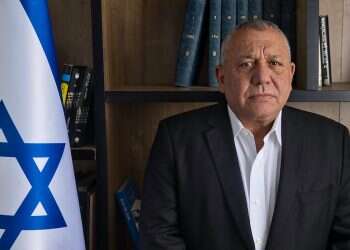
Gadi Eizenkot, a former army chief, says he was among those arguing against such a strike in what he described as a stormy Oct. 11 Cabinet meeting that left him hoarse from shouting.