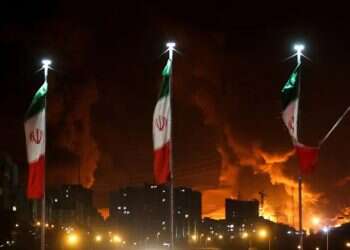
Against the backdrop of a probable military action in Iran and threats from Washington, residents of Israel's northern front woke up to a morning of yet another tightening of the IDF's Home Front Command guidelines, reflecting the security reality in the area more clearly than any polished diplomatic statement.
This latest tightening comes against the backdrop of Hezbollah's explosive drone threat, which continues to exact a price and challenge the technological and operational capabilities of the IDF. Alongside strict adherence to the basic, familiar elements of defense, Israel's security establishment and technology bodies must continue their efforts to find solutions that will also enable effective responses to fiber-optic drones.
Detection, destruction
The best defense is offense, and therefore the Israel Defense Forces, with the assistance of the intelligence agencies working alongside it, must step up activity to detect and destroy every component in the value chain of this weapon: production and assembly plants, warehouses and drone operators, wherever they are.
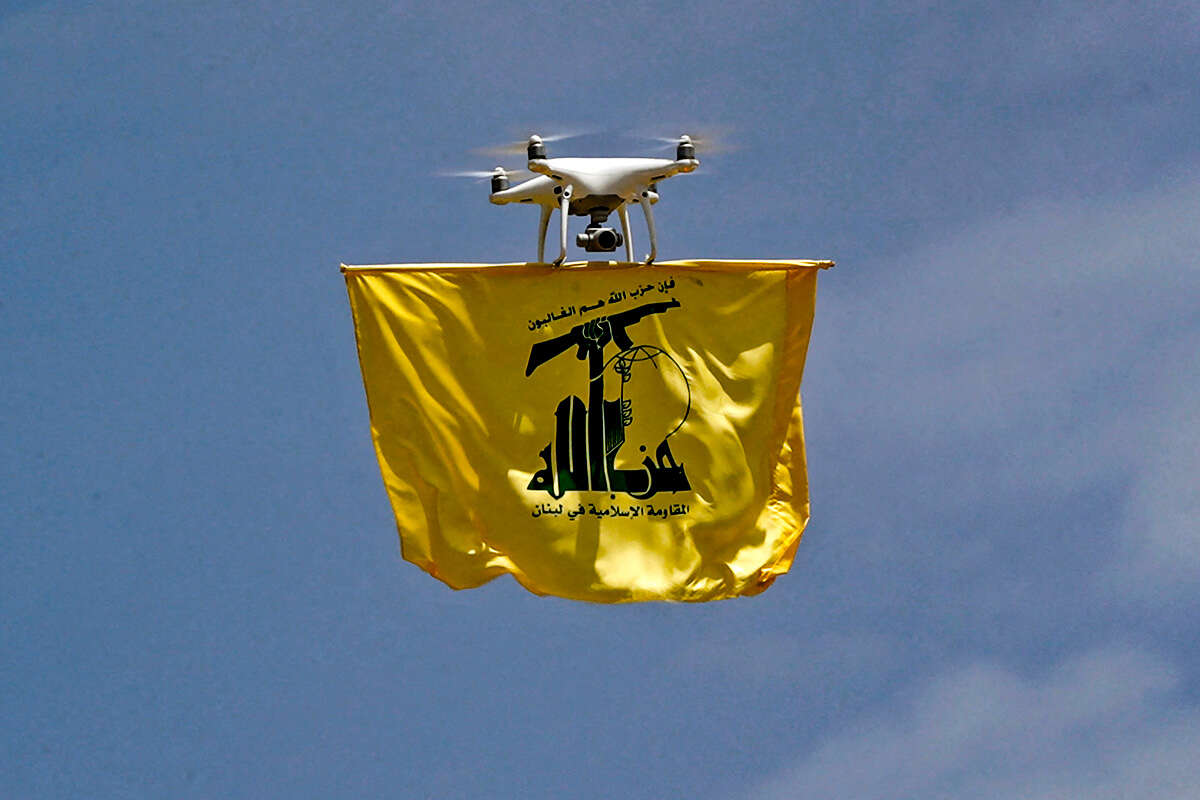
Regrettably, it can be assessed that this will not be enough. The availability of this weapon, its low cost and the simplicity and safety of its operation will preserve the motivation to use it and make it difficult for our forces to pursue and eliminate every last drone. Effectively confronting this threat depends on the ability to make Hezbollah question whether using it against the IDF is worthwhile.
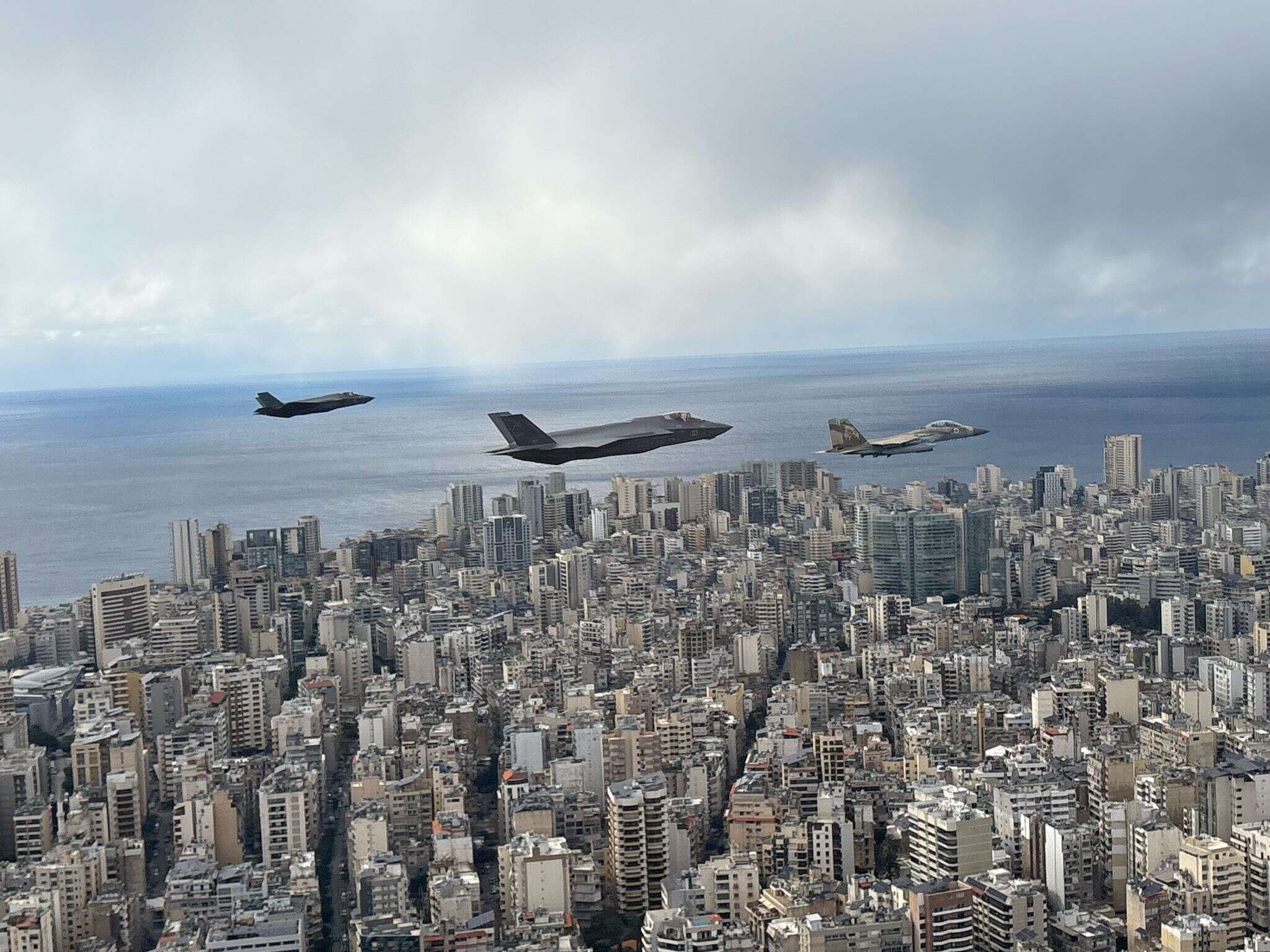
This can be achieved only by attacking targets in the Dahiyeh district of Beirut. Not only targeted prevention operations and assassinations, but the collapse of buildings and the sowing of destruction in the center of gravity, the stronghold of control and the political, military and social symbol of the Hezbollah organization in Lebanon. Israel must create a disproportionate response equation and publicly make clear that every use of an explosive drone against us will be answered with a strike in Beirut.
Realizing the air advantage
The current restriction on firepower, in line with the US demand, prevents Israel from realizing its air advantage and forces it to play on a field and under conditions that are comfortable for Hezbollah. Israel must impale the leadership in Beirut on the horns of the dilemma of whether the achievement of using explosive drones justifies the price of destroying western Beirut.
After Hezbollah made clear that it had no intention of disarming, its spokesmen are now making clear that they will also not agree to return to the reality that followed the November 2024 ceasefire agreement, and that their current struggle is intended to establish a new response equation vis-a-vis Israel. From Israel's perspective, this is another reason to change its approach.
Saving Beirut
Increasing the pressure on Hezbollah would also serve the American interests in Iran, which currently has no reason to be alarmed by the price being exacted from Hezbollah. As for the implications for diplomatic contacts between Israel and Lebanon, there is no doubt that in the short term this approach would make it harder for the Aoun government to continue moving along this track.
However, it would provide legitimacy for its demands of the Shiite terrorist organization, and at more advanced stages it could be the one to deliver the message of a ceasefire and the saving of Beirut, instead of Iran, which is still receiving credit for it.
Either way, Israel should not compromise on the measures necessary for the security of our forces merely to give a chance to diplomatic contacts with a government that is highly doubtful to be capable of delivering the goods.