These are decisive moments in this crisis, and at this stage each side is digging in, a regional diplomatic source familiar with the talks between Iran and the US told Israel Hayom.
According to the source, there are still substantial disagreements and inherent mistrust, meaning that a deal, or even an initial memorandum of understanding, remains far off. He quoted an Iranian official who told his Gulf counterpart that the Americans were complaining that Iran's leadership was divided and that what they agreed on with Araghchi was rejected by Ahmad Vahidi, the commander of the Revolutionary Guards, but that they themselves were divided.
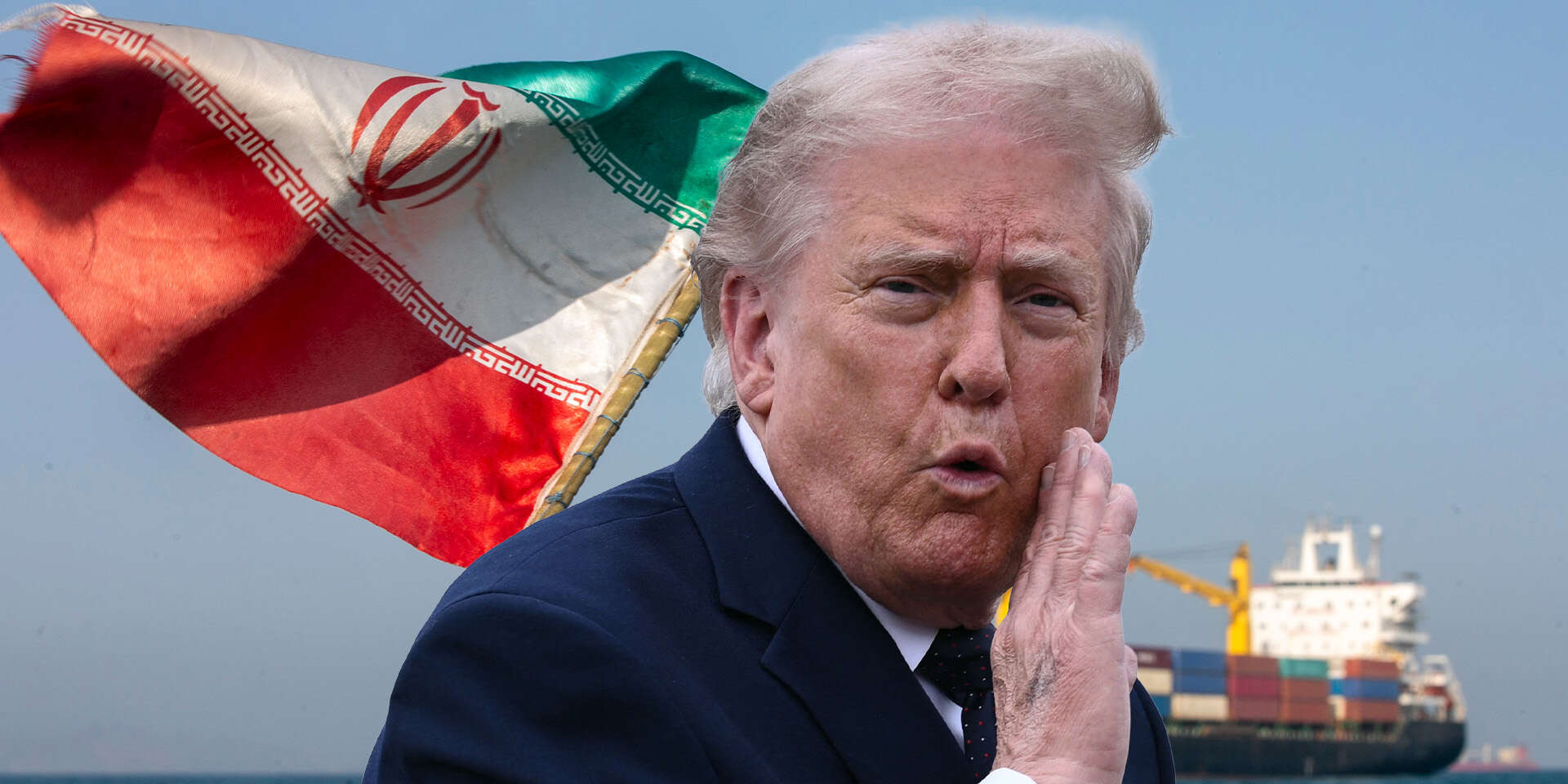
"What we agreed on with their team was initially accepted and then rejected by the president and his extremist ministers," the Iranian official said, referring to Marco Rubio and Pete Hegseth.
The official's claim refers, among other things, to the purported understandings on a memorandum of understanding that were published Saturday night. However, President Donald Trump, perhaps following domestic criticism, instructed the negotiating team to raise the basic American demands as a condition for signing.
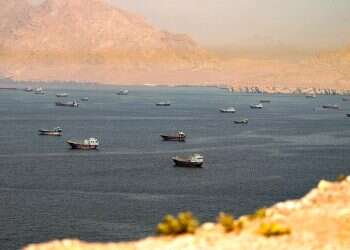
Among other things, the discussions focused on Iran's commitments on the nuclear issue and on opening the Strait of Hormuz fully, without restrictions or Iranian demands for payment from vessels passing through the strait.
Meanwhile, additional details emerged about the talks between Doha and Washington while Iranian Foreign Minister Abbas Araghchi, parliament speaker Mohammad Bagher Qalibaf and Central Bank governor Abdolnaser Hemmati were visiting the Qatari capital. In those talks, first reported by Israel Hayom, the participants discussed with the American side the unfreezing of $12 billion, funds deposited in Qatar since 2023 and intended for the purchase of medicine, food and humanitarian equipment.

Iran refused supervision of the money, but Iranian media reports said progress had been made and that half of the sum was supposed to be released upon the signing of the memorandum of understanding. Even if that report is not accurate, Washington confirmed to Israel Hayom that some progress had been made on the issue.
Trump is holding ongoing consultations, with Rubio participating remotely during his tour of East Asia. The most likely option now on the table is the continuation of the naval blockade alongside contacts, until Iran accepts the minimum threshold of conditions set by the Americans.
At the same time, on the ground, oil tankers pass through the strait from time to time, most of them from Gulf states en route to India and Japan. However, the US has still not made a decision to resume the operation to escort the ships.
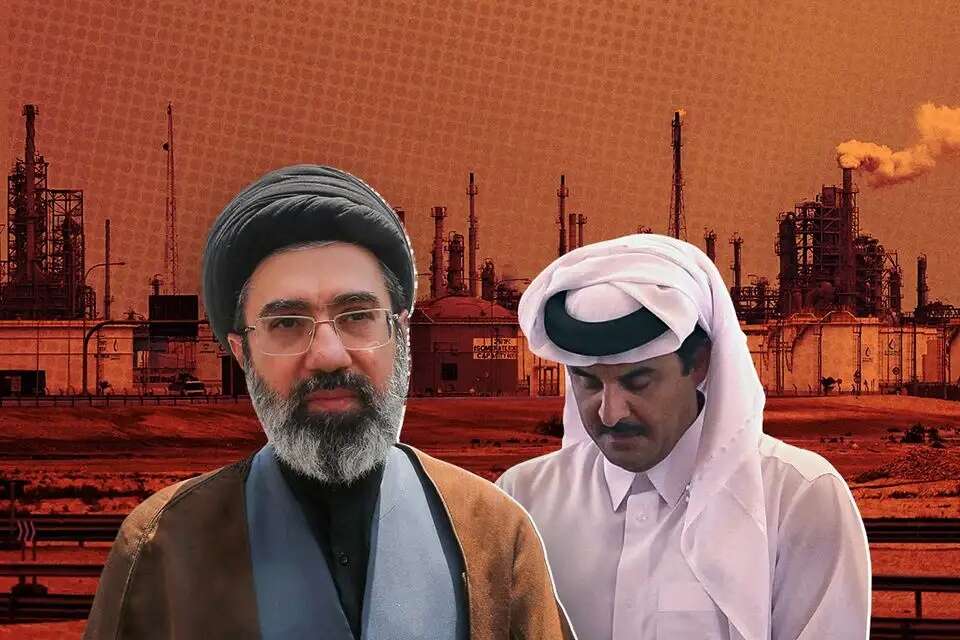
Following our exclusive report on the funds Qatar transferred to Iran, a Gulf diplomatic source said the other countries in the Gulf Cooperation Council had sent Doha questions and criticism on the matter, stressing that it was breaking the diplomatic line toward Iran. The source said Qatar's separate policy surprised no one in the Gulf and meant, among other things, the possibility of a renewed public confrontation between Doha and its Gulf sister states, a confrontation that led to a real rupture in the previous decade.