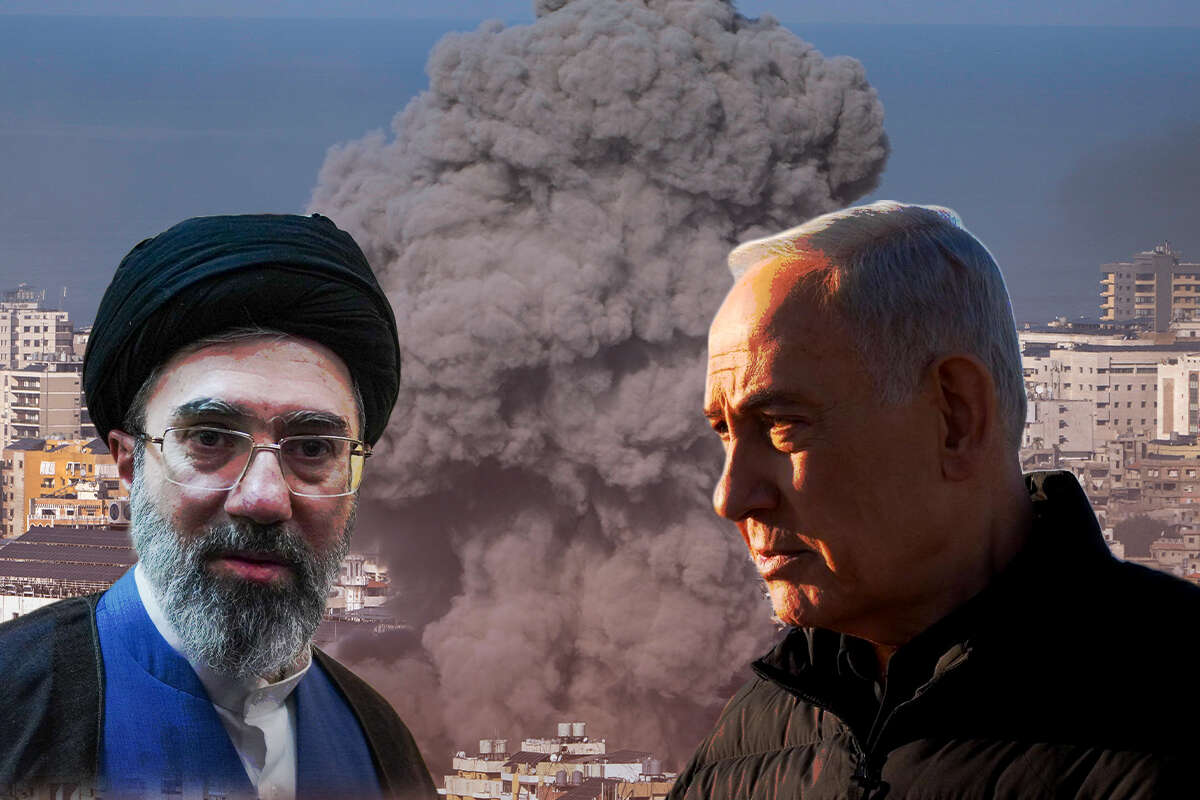
The missile launch from Iran Sunday, in response to the Israeli Air Force strike in Beirut, presents Israel with a dilemma: how and on what scale to respond in Iran without being dragged, once again, into open war.
Iran made good on its threat to attack Israel if Israel struck Lebanon. It did so despite pressure from the White House, which is working to prevent renewed escalation in the region. The Israeli strike in Beirut mainly reflected frustration with the situation in Lebanon. After long weeks of a false ceasefire, during which 18 Israelis were killed (six of them over the past week), and amid a constant threat to northern communities, it was clear that something more was needed to break the dangerous equation in which Hezbollah sets the tone.
The reality in Lebanon, which was forced on Israel as a result of President Donald Trump's attempt to reach a deal with Iran, is the worst of all worlds. The Israel Defense Forces does control extensive areas in southern Lebanon, but it barely operates beyond them, while its soldiers, and northern communities as well, are subjected to constant Hezbollah attacks, mainly using fiber-optic-guided drones.
The result is that the declared objective posted at every outpost, "The goal: quiet for the northern communities," is not being achieved. In practice, the opposite is true: The communities face a growing threat.
In recent weeks, the top ranks of the IDF, as well as the heads of northern communities, have pressed Prime Minister Benjamin Netanyahu to change this reality from the ground up, even at the cost of friction with Trump. Netanyahu, however, preferred the alliance with the US president, even when it involved the kind of personal humiliation he suffered in their conversation last week.
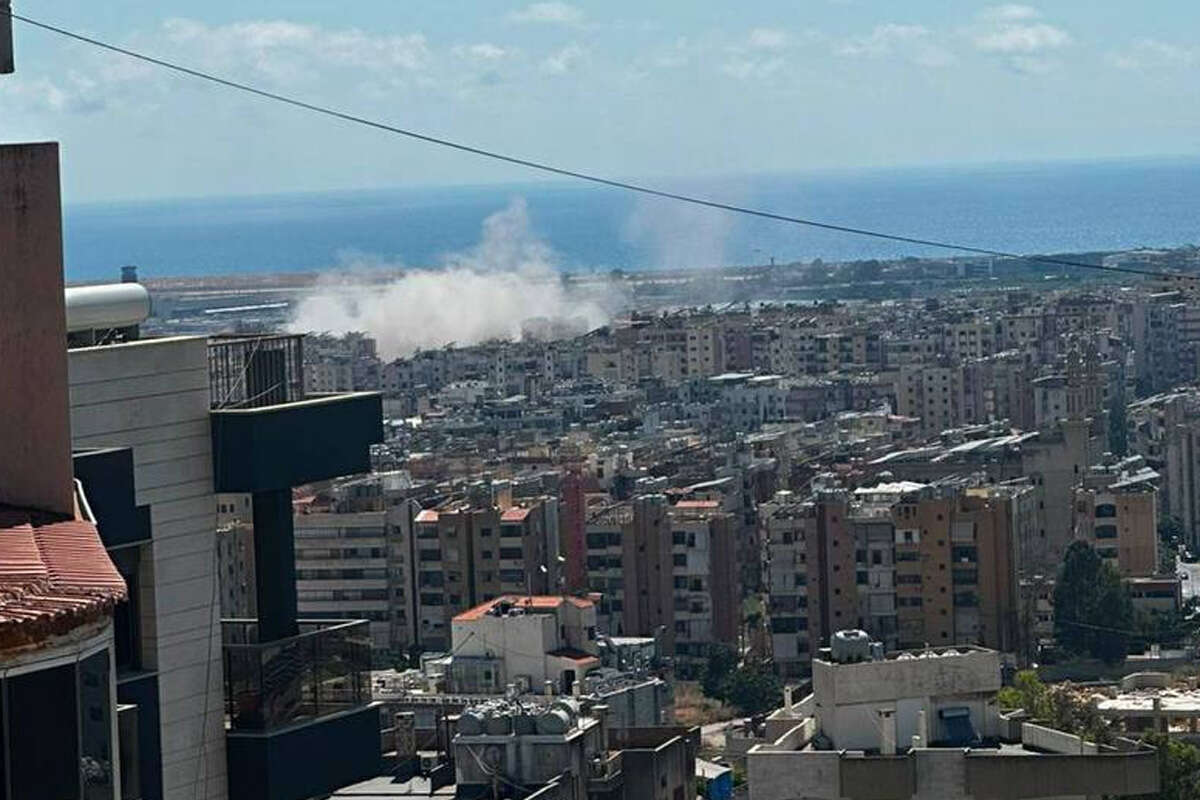
Yesterday, approval was given to strike in Beirut in response to the launch of two rockets, which were intercepted, into Israeli territory. It was the first sign of Israeli independence, although it is still necessary to wait in order to understand its broader framework: whether it was coordinated with Washington, and whether it was agreed that this was a one-off event or a shift in policy signaling a return to offensive action, as the IDF and northern communities hope.
Hezbollah will certainly activate its Iranian patrons in an attempt to obtain renewed immunity for Beirut, as it did last week. Iran threatened then to attack Israel, and Washington feared that escalation in Lebanon would also lead to escalation in Iran at a time that was inconvenient from its perspective.
Threefold test
The Lebanese government also worked to restrain Israel, arguing that renewed strikes in Beirut could undermine the negotiations being conducted between the countries in Washington. Trump gave in to the pressure then and stopped Israel after the prime minister and defense minister announced that they had ordered a strike. Now things have returned to their proper order: The strike came before the announcement, also to allow the IDF to achieve maximum results thanks to the element of surprise.
Still, the test of the strike will be whether it changes the reality over time. It is doubtful that a single incident, even if several Hezbollah terrorist were eliminated, will have much effect. Hezbollah has already proved over nearly 1,000 days of war that it is an adaptive organization, and above all a stubborn one. Its declarations last week that understandings between Israel and Lebanon would not apply to it reflect considerable self-confidence, presumably the result of backing it received from Tehran.

Israel's test in the north will be threefold. The first is quiet in the northern communities, which has not yet been achieved. The second is a renewed separation between the Iranian arena and the Lebanese arena, in order to restore the IDF's full freedom of action. The third is weakening Hezbollah through a sustained offensive, which would also make it easier for the Lebanese government to reach agreements. At the same time, as always, the government must invest in the northern communities, but for now that remains stuck at the stage of promises.