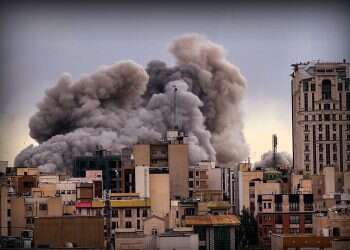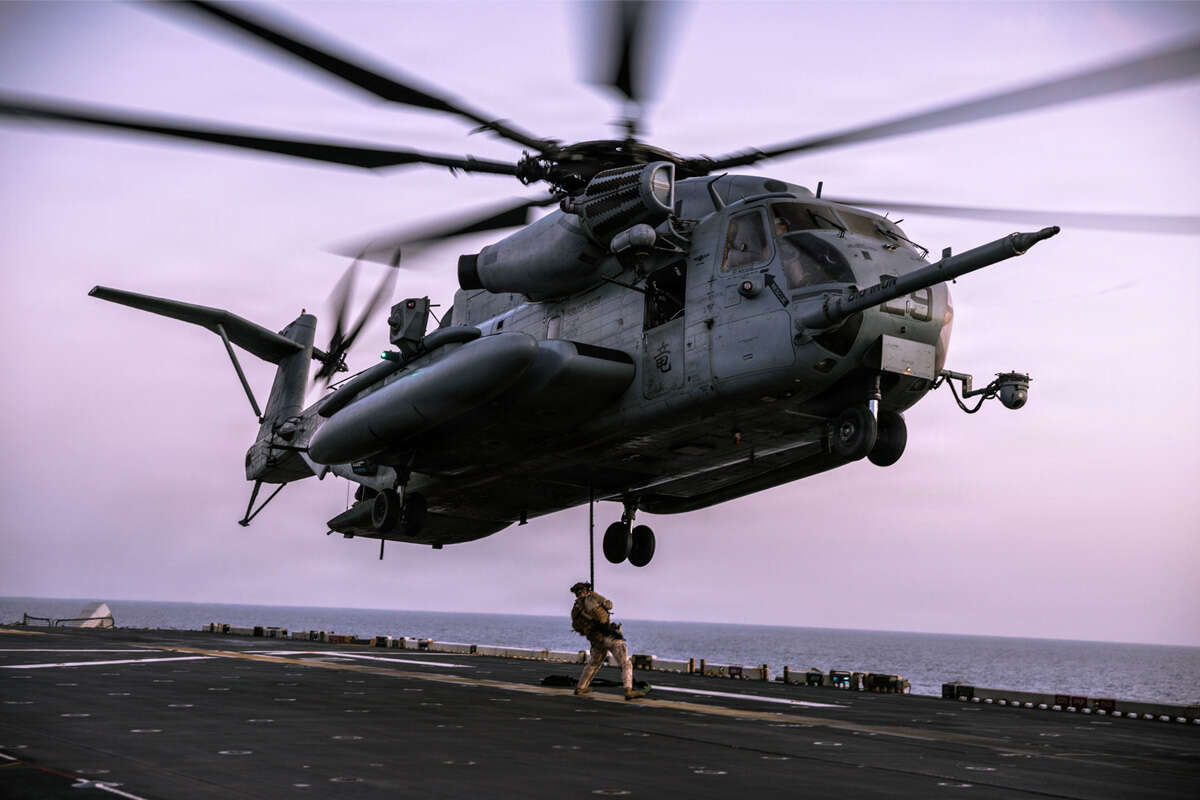
Israel did not take part in the US strikes on targets in Iran that began on Sunday night and resumed overnight.
At the same time, as part of the close ties between the IDF and the US Central Command, the two militaries are coordinating their moves and updates are continuing in real time, around the clock. Although the IDF is not part of the campaign at this stage, Israel is preparing for the possibility that Iran will decide to fire missiles at the State of Israel, or for the possibility that Trump will decide to renew the campaign.
Defensive preparations
As of now, the preparations are mainly defensive, based on the understanding that Iran can fire missiles at Israel at short notice, as it did this past Sunday. But the Military Intelligence Directorate and the Israeli Air Force are refreshing their plans and preparing for several days of combat, should the order be given. Security officials note that "several very tense days lie ahead, and it is still too early to know how things will develop."
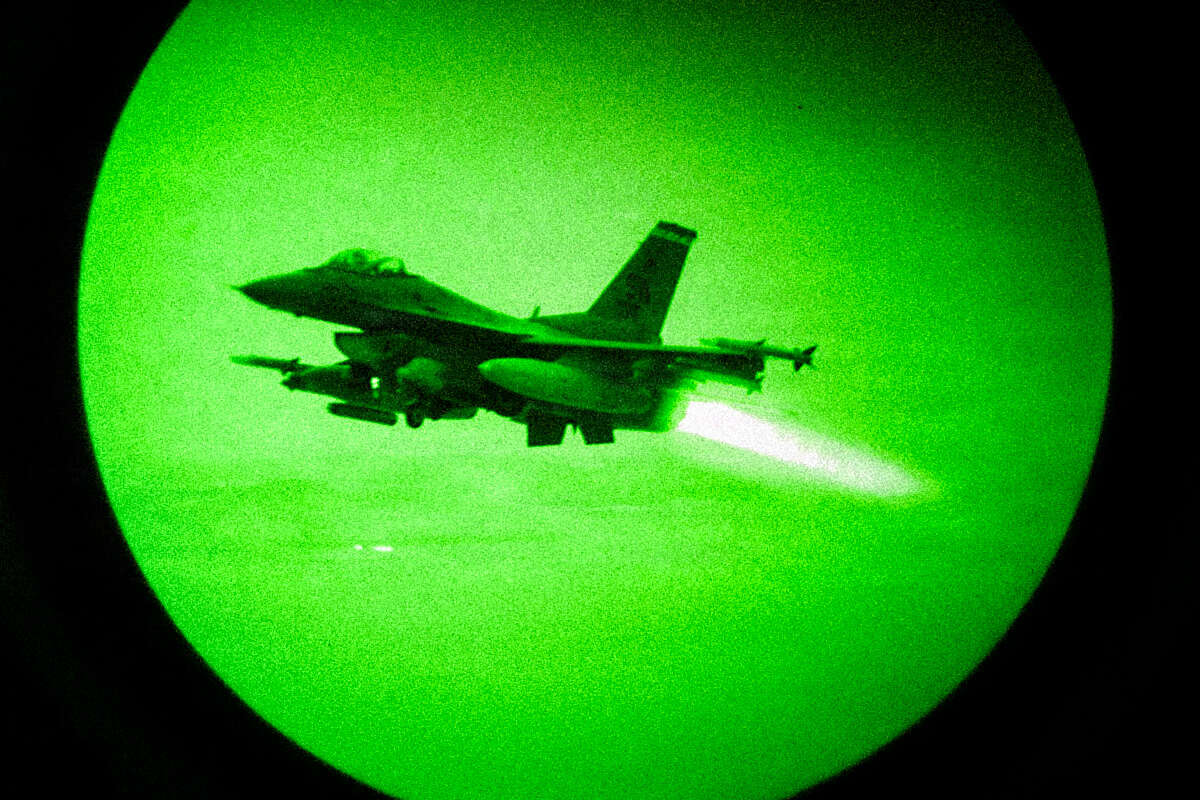
After the US blow against Iran this past Sunday night, IDF Chief of Staff Lt. Gen. Eyal Zamir said that the IDF was on immediate alert and ready to return to fighting against Iran, and warned that the strike Israel carried out on Iranian soil had been "preparation for a much more significant and heavier blow."
Zamir made the remarks during a visit to the "Sederet HaEsh" exercise, which trains battalion and company commanders in northern Israel. He said all of the IDF's defensive and offensive systems had been on high alert during the latest escalation, had succeeded in intercepting the threats launched at Israel and had struck Iran "quickly and forcefully."
'The Iranian attempt will fail'
"The Iranian attempt to set equations and change reality will fail," Zamir said. "The strike we carried out in Iran was preparation for a much more significant and heavier blow. We will continue to act and deepen the damage to the Hezbollah terrorist organization and defend the communities of the north. The IDF is on alert and will act forcefully wherever we identify a threat to the citizens of the State of Israel."
The US struck additional targets in Iran overnight (Thursday), just minutes after Defense Secretary Pete Hegseth threatened that "if we have to conduct negotiations with bombs, we will do so." Iran's Islamic Revolutionary Guard Corps claimed this morning that, in response, it had launched 12 ballistic missiles at the US Air Force's Al-Azraq base in Jordan.
US Central Command said the strikes were "self-defense" and had been launched on President Trump's orders in response to "continued Iranian aggression." According to a Wall Street Journal report citing a senior US official, the US strikes in Iran targeted air defense systems and radar sites in the Strait of Hormuz area.
'Coercive diplomacy'
The Pentagon described the strikes as "coercive diplomacy" aimed at forcing Iran to compromise at the negotiating table. The New York Times reported that the prospects for a diplomatic breakthrough had grown slimmer, after a Qatari mediation delegation left Tehran on Wednesday evening without any progress in the talks.
Spoke with President Trump tonight as he oversaw the U.S. military strikes against Iran from the Situation Room.
The President told me he spoke directly with Iranian officials tonight who asked him to stop bombing.
49 Tomahawk missiles had been fired by the United States at… pic.twitter.com/s4WnsPTO4d
— Trey Yingst (@TreyYingst) June 10, 2026
According to reports in Iranian media, this time as well, as in the rounds of strikes during the ceasefire, the attacks are focused on the coasts of the Persian Gulf and the Strait of Hormuz.