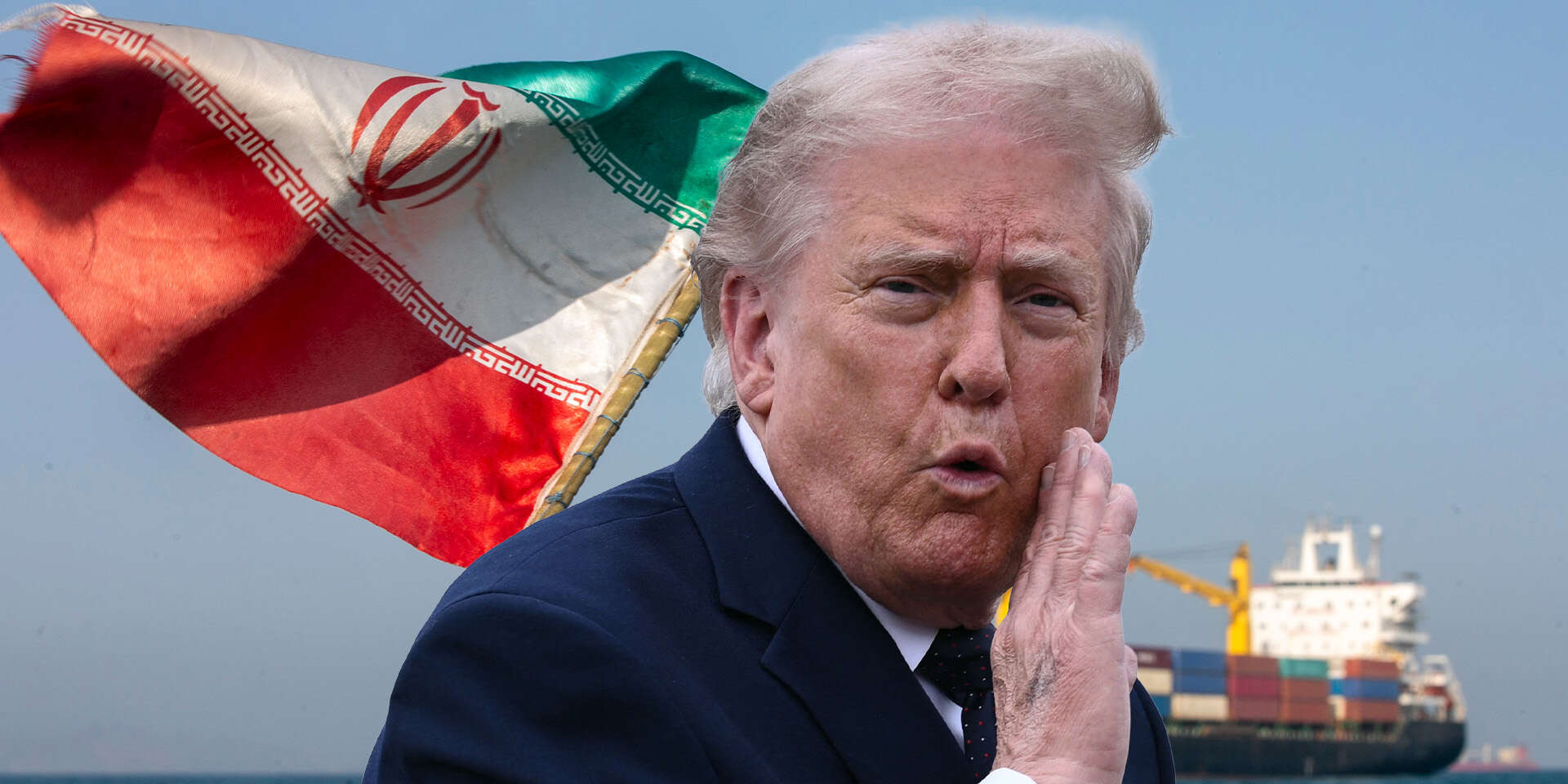
US President Donald Trump announced that he was canceling strikes on Iran and said negotiations with Tehran had moved to a new stage, claiming that a signing ceremony for an initial agreement would take place soon.
"Based on the fact that discussions with the Islamic Republic of Iran have been brought to the highest level of Iranian leadership and approved, I have, as President of the United States of America, cancelled the scheduled strikes and bombings against Iran this evening. Discussions and final points have been, in both concept and great detail, approved by all parties involved, including the United States, Israel, Saudi Arabia, UAE, Qatar, Turkey, Pakistan, Bahrain, Kuwait, Jordan, Egypt, and others," the president wrote on his social media platform.
"The Naval Blockade will remain in full force and effect until this Transaction is finalized — Time and place of the signing to be announced shortly," Trump added in the post.
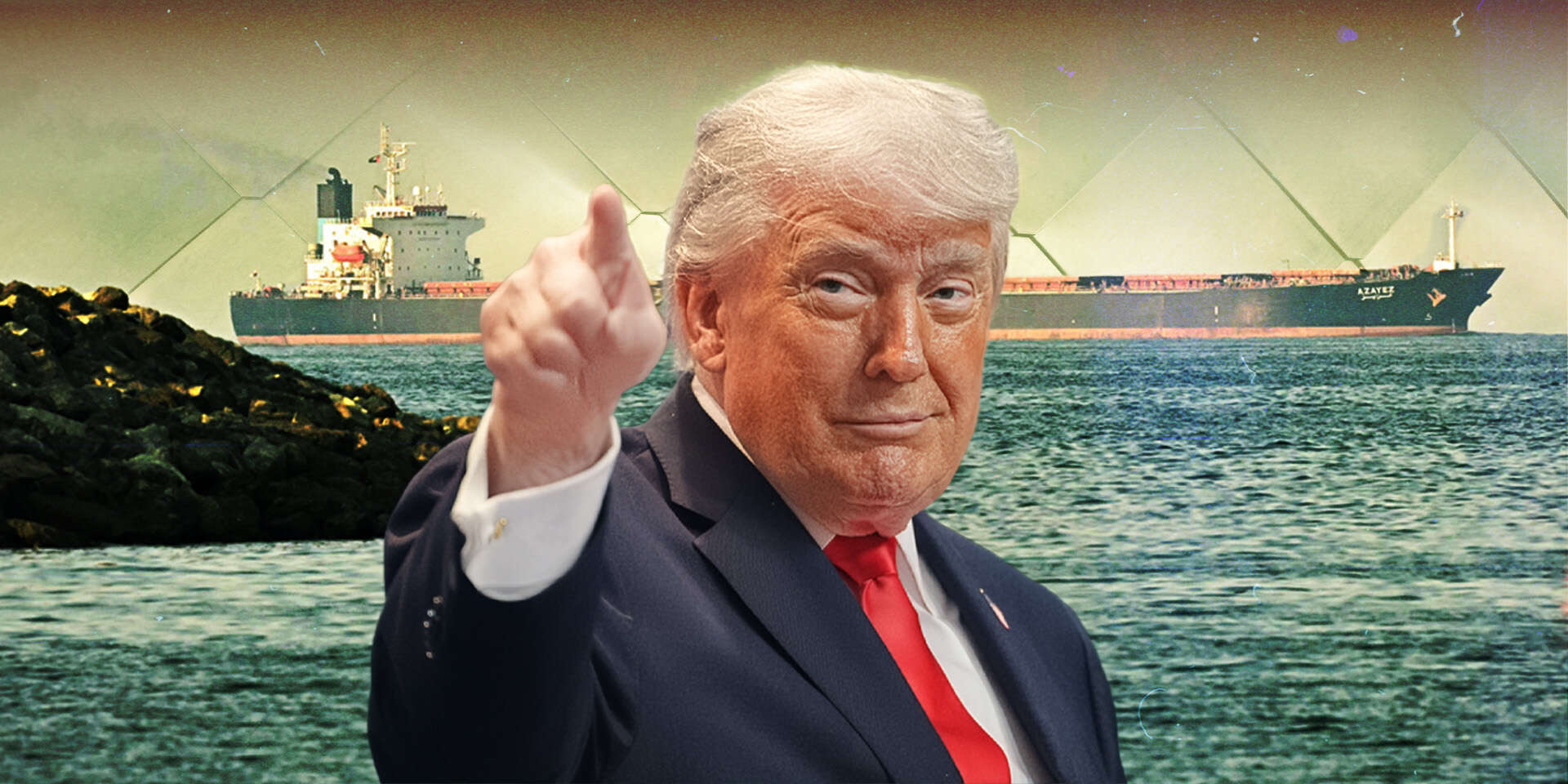
Iran's Tasnim news agency published a quote from a senior regime official who said: "Trump has already announced 38 times that an agreement has been reached. Until official confirmation is received from Tehran, this should be treated as part of his usual lies." The American newspaper the New York Post reported Wednesday that the Iranians had submitted a revised draft and that Washington was reviewing it. Iran's Fars news agency claimed that, given that the US had accepted the wording proposed by Iran, the likelihood that this wording would be approved by Iran was high.
The change of direction came after Trump issued an unmistakable threat earlier in the day, saying he intended to seize Kharg Island, the hub of Iranian oil exports, should there be no progress in the talks.
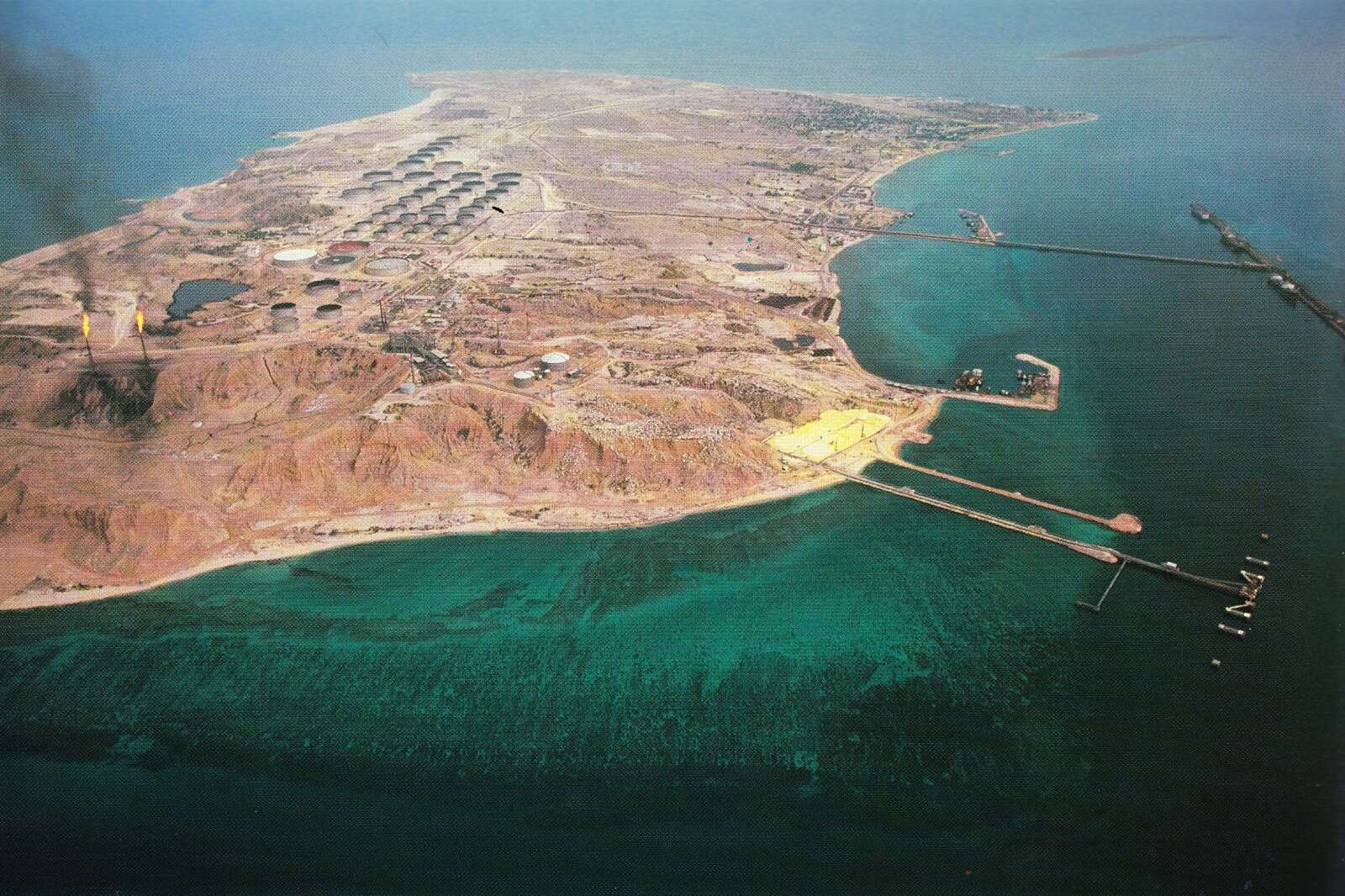
Trump threatened that the US would hit Iran "very hard," and warned that Washington would later seize Kharg Island, Iran's main fuel terminal, which is responsible for exporting about 90% of Iranian oil. At the same time, media outlets reported that negotiations between the sides were still ongoing: Three Iranian sources and a European official told Reuters that Washington and Tehran were exchanging messages on the details of a memorandum of understanding, after they had already reached a "political understanding," according to the report.
Throughout the war, reports raised the possibility that the US would seize the island as a pressure card to force Tehran to open the Strait of Hormuz. In March, the US attacked dozens of military targets on the island, but deliberately avoided hitting oil infrastructure. Iran prepared for such a scenario: Forces on the island were reinforced, air defense systems were bolstered and mines were planted along the coastline. The US moved large ground forces into the region, including a paratrooper brigade and thousands of Marines, but it is unclear whether all of them remained in the area during the ceasefire.